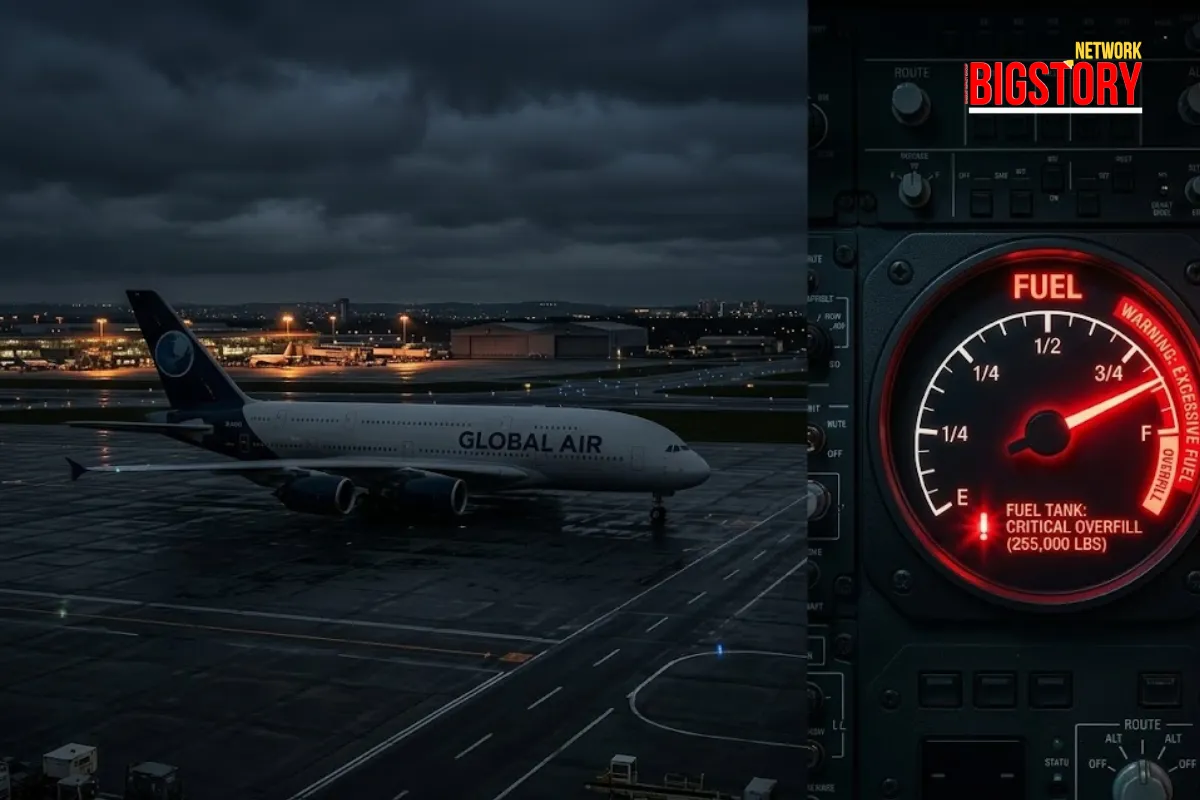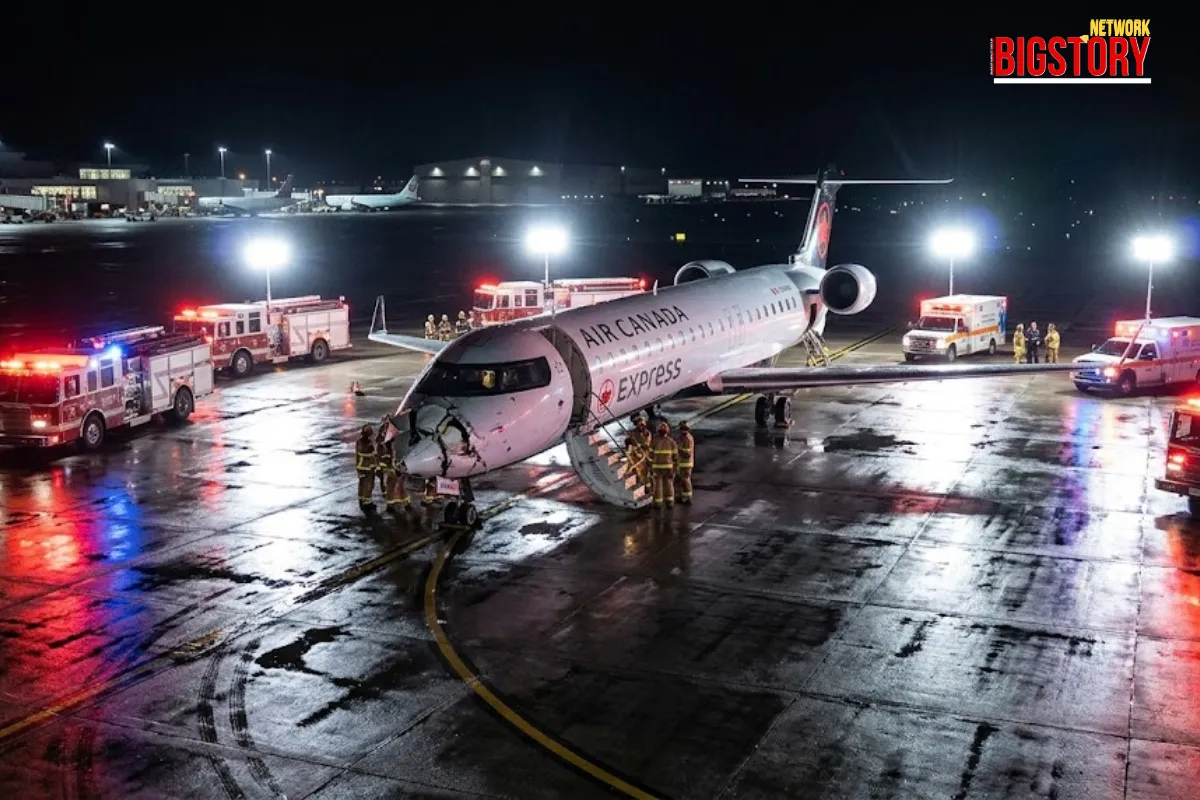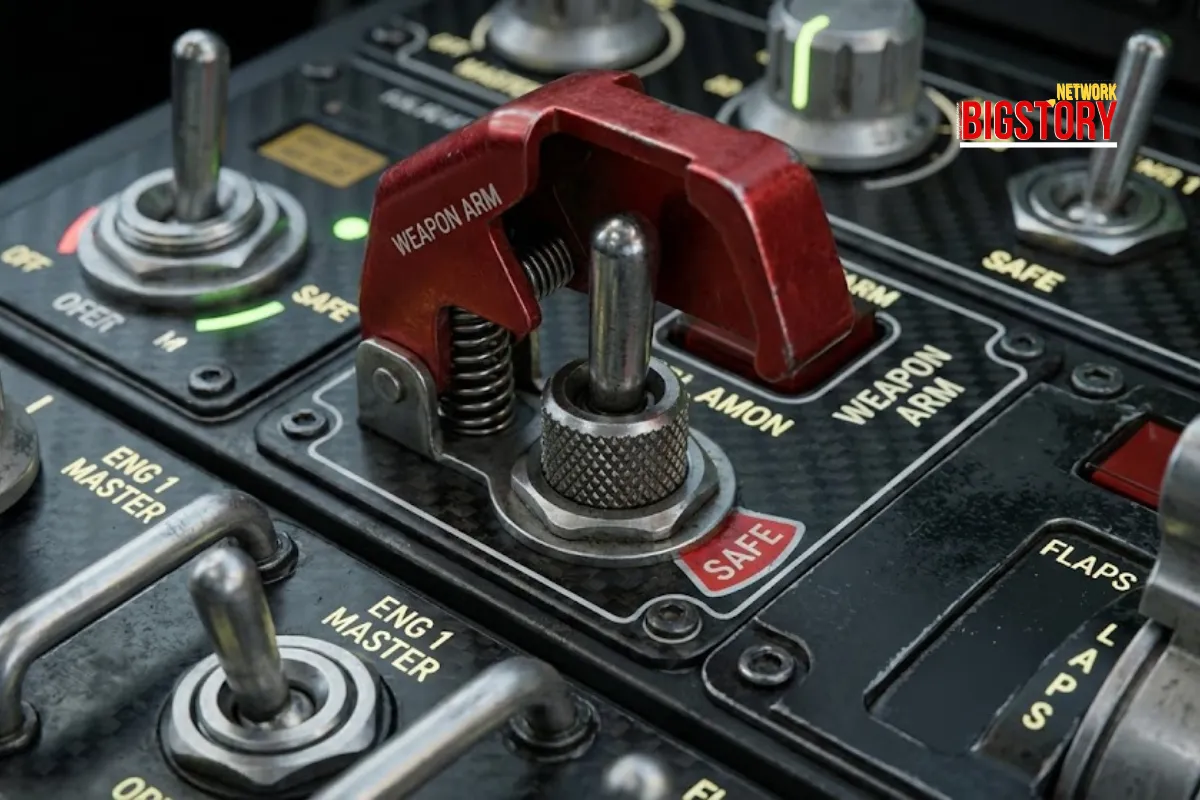
Air India initiates emergency Boeing 787 fleet inspections after a fuel switch failure on a London-Bengaluru flight. Is the Dreamliner safe? Read the full report.
 Brajesh Mishra
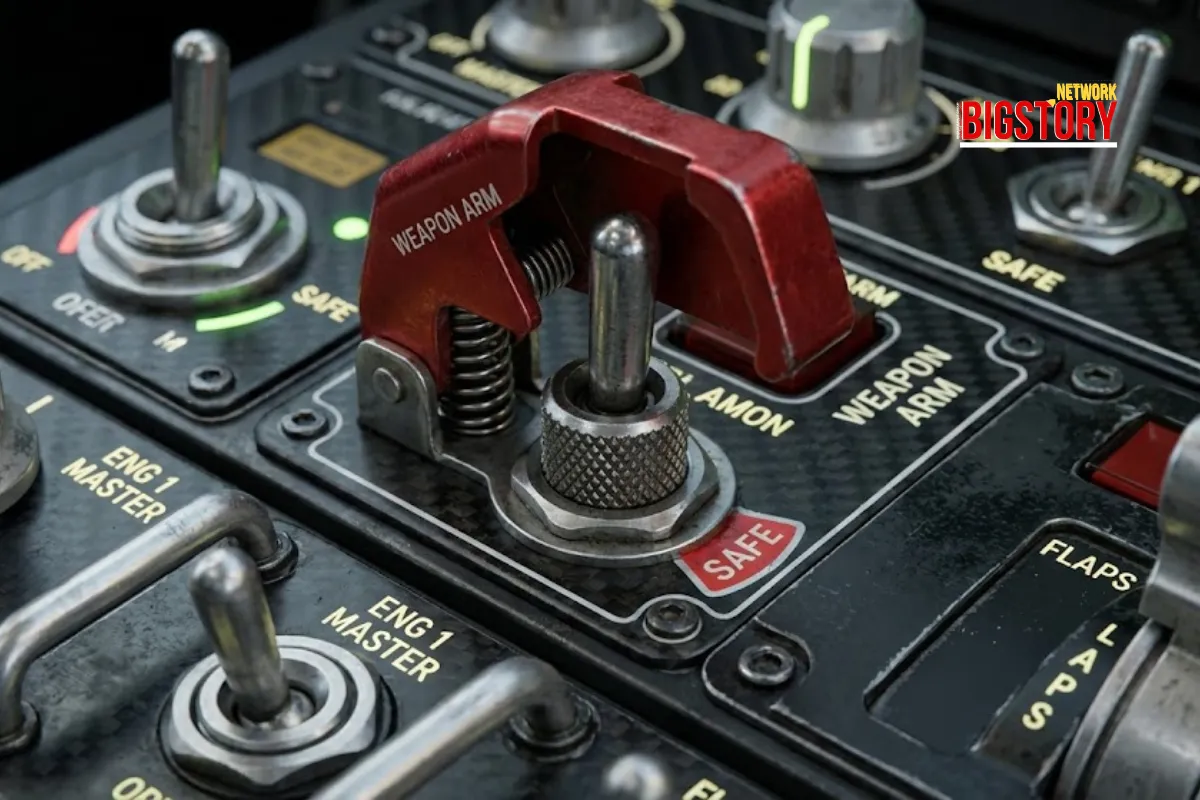
Air India has officially launched a high-stakes, fleet-wide inspection of the fuel control switches across its 33 Boeing 787 Dreamliners today, following a chilling report from the cockpit of flight AI 132. Less than 24 hours ago, a pilot on the London-Bengaluru route discovered that the left fuel control switch on aircraft VT-ANX failed to lock in the "RUN" position—a mechanical glitch that mirrors the suspected cause of the catastrophic June 2025 Ahmedabad crash.
The grounding of VT-ANX and the subsequent emergency engineering directive from SVP of Flight Operations Manish Uppal have sent shockwaves through the aviation industry. While the airline maintains these checks are "precautionary," the recurrence of a defect that was supposedly "cleared" in July 2025 has ignited a fierce debate over Boeing's hardware integrity and the transparency of previous safety audits.
Manish Uppal (SVP Flight Operations, Air India): The Enforcer. His internal email to pilots ordering "prompt reporting" and fleet-wide re-inspections confirms the airline is no longer waiting for Boeing’s final verdict before taking action.
Capt. Amit Singh (Safety Matters Foundation): The Critic. He has publicly questioned the validity of the July 2025 "all clear" report, suggesting that either the previous inspections were superficial or the part itself suffers from a systemic design flaw.
Capt. CS Randhawa (President, Federation of Indian Pilots): The Hawk. Citing this as the "third known incident" (including a 2019 ANA flight in Osaka), he is calling for a total grounding of the 787 fleet until electrical or mechanical faults are definitively ruled out.
While the media focuses on "Part Failure," a subtle game of blame-shifting is already underway. Preliminary DGCA leaks suggest the switch malfunction on VT-ANX might be due to "incorrect handling" or "angular force" by the pilot rather than a mechanical defect.
This is the Supply Chain Shield at work. By framing the issue as "Pilot Error," Boeing and Air India can avoid a massive, mandatory recall of the 4TL837-3D part. However, the "Silence of the Switch"—the fact that it can even be moved by "incorrect handling" without being lifted—points to a deeper mechanical vulnerability that the "abundance of caution" narrative is trying to mask.
If a critical engine control can be compromised by "incorrect handling," is the failure with the pilot, or with the machine that allows such a fatal error to happen?
Why is Air India inspecting its Boeing 787 fleet again? Because a pilot reported a fuel control switch malfunctioning on a London-Bengaluru flight (Feb 2, 2026), reviving fears related to the fatal 2025 Ahmedabad crash.
Is it safe to fly on an Air India Dreamliner right now? Air India has cleared 50% of its fleet as of Feb 3; only one aircraft (VT-ANX) is currently grounded. Inspections are ongoing for the remaining jets.
What is the issue with the Boeing 787 fuel switch? The switch (Part 4TL837-3D) is reportedly failing to stay locked in the "RUN" position, potentially slipping to "CUTOFF" and shutting down the engine inadvertently.
Did the DGCA ground the Air India 787 fleet? No. The DGCA has not issued a total grounding order; the fleet-wide inspection is a "precautionary" move initiated by Air India itself.
What part is causing the problem in the Air India Dreamliner? The focus is on the Fuel Control Switch (FCS) latch assembly, manufactured by Honeywell, which regulates fuel flow to the engines.
News Coverage
Context & Analysis
 Exclusive Content






Sign up for the Daily newsletter to get your biggest stories, handpicked for you each day.



 Trending Now! in last 24hrs