As the Middle East conflict strangles global trade, the Quad Foreign Ministers meet in New Delhi to rapidly transform their diplomatic dialogue into a hardened, functional economic and maritime alliance.
 Sseema Giill
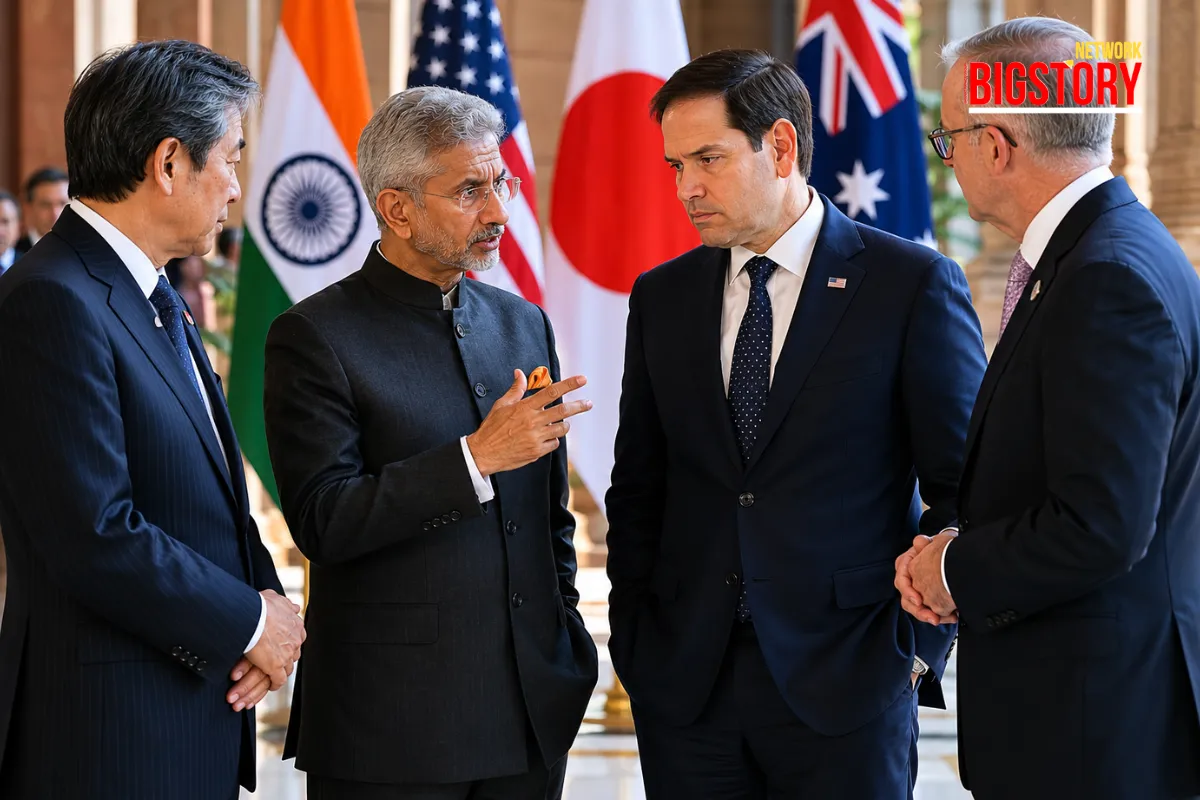
• What happened: The Quad Foreign Ministers' Meeting concluded today in New Delhi, hosted by External Affairs Minister S. Jaishankar alongside his US, Australian, and Japanese counterparts.
• Why it matters: The summit produced major operational frameworks, including a first-of-its-kind Indo-Pacific Maritime Surveillance Collaboration (IPMSC) and a comprehensive Energy Security Initiative aimed at insulating the region from global fuel shocks.
• The strategic play: Moving beyond standard diplomatic rhetoric, the alliance finalized a critical minerals agreement and announced a "Ports of the Future" infrastructure pilot in Fiji, directly countering Beijing's influence in the Pacific.
• India's stake: The Quad explicitly condemned attacks on commercial shipping in the Red Sea and the Strait of Hormuz, while issuing a unified, uncompromising stance against cross-border terrorism.
• The deciding question: Can these new Quad frameworks be operationalized fast enough to protect member nations from the immediate macroeconomic fallout of the ongoing US-Iran conflict?
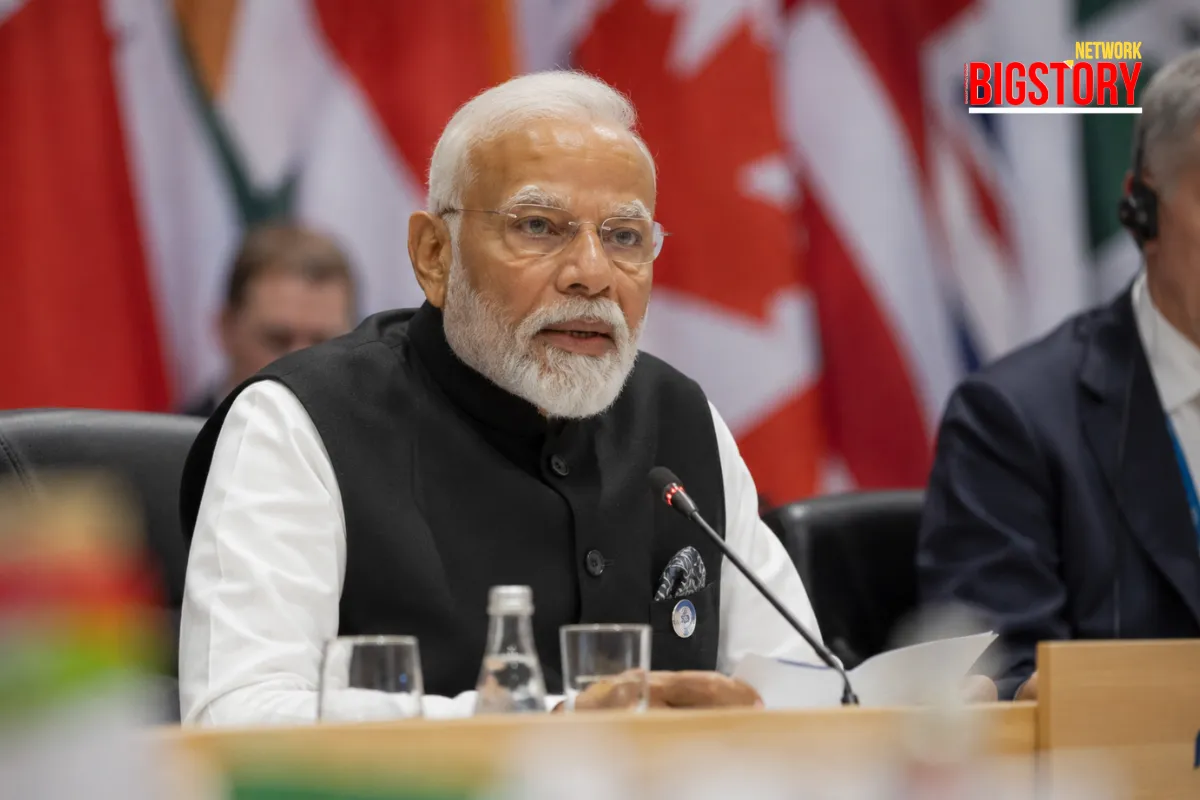
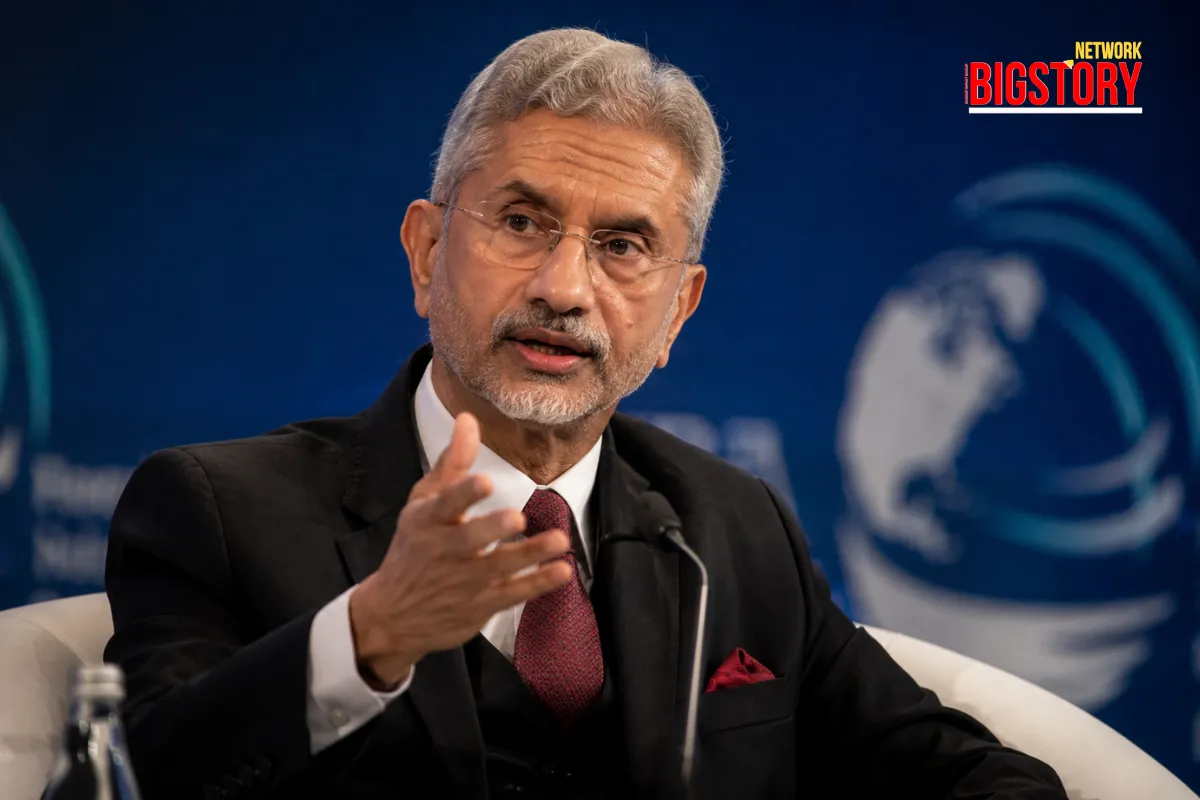
The diplomatic dialogue has officially evolved into a functional survival alliance. The Quad Foreign Ministers' Meeting concluded today in New Delhi, bringing together India's External Affairs Minister S. Jaishankar, U.S. Secretary of State Marco Rubio, Australian Foreign Minister Penny Wong, and Japanese Foreign Minister Toshimitsu Motegi.
Set against the terrifying backdrop of the ongoing US-Iran conflict and a fracturing global economy, this year’s summit completely abandoned vague diplomatic pleasantries. Instead, the four nations laser-focused on finalizing operational frameworks designed to keep the Indo-Pacific's supply chains, energy routes, and maritime borders secure.
The meeting resulted in several unprecedented initiatives aimed at hardening the region's economic architecture against geopolitical shocks:
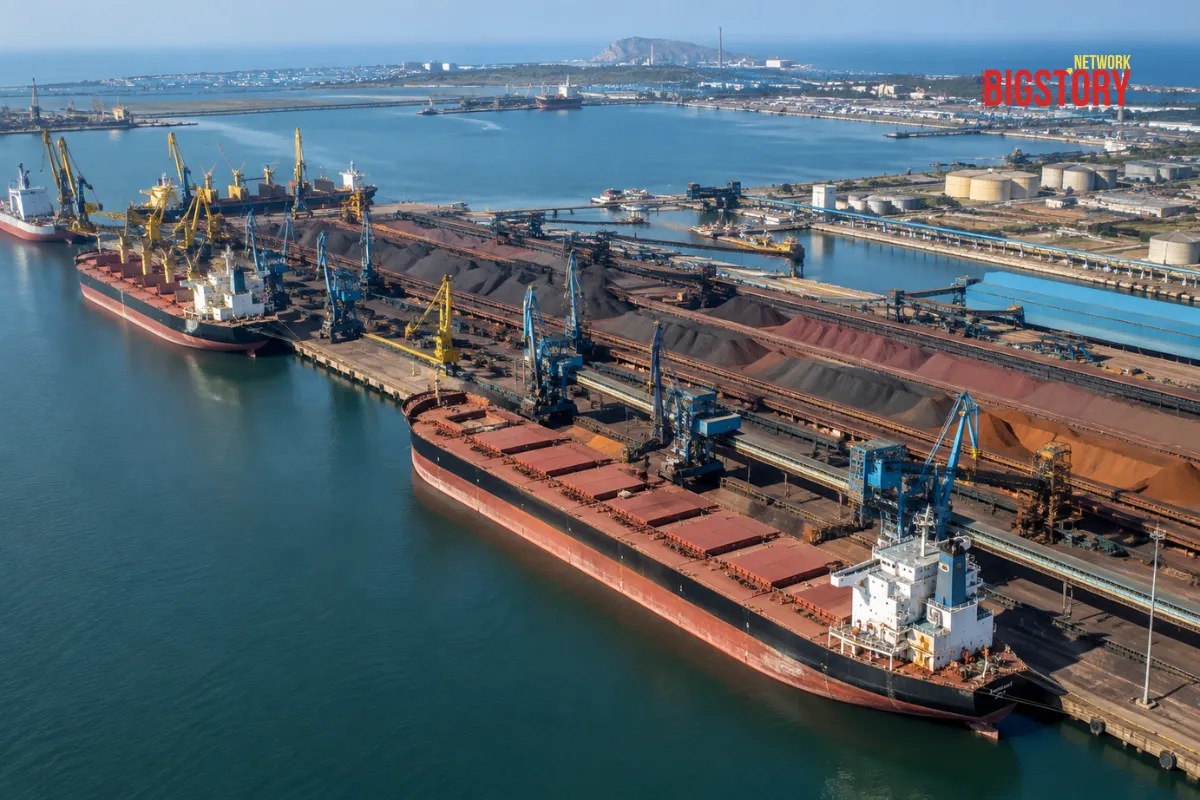
• The Maritime "Common Operating Picture": The ministers launched the Indo-Pacific Maritime Surveillance Collaboration (IPMSC). This initiative integrates the advanced maritime tracking capabilities of all four nations to create a real-time "Common Operating Picture," allowing them to monitor vital chokepoints and instantly share intelligence regarding hostile naval movements or illegal fishing.
• Energy and Critical Minerals: Driven by the devastating disruptions in the Strait of Hormuz, the Quad unveiled a new Energy Security Initiative focused on technology cooperation and emergency fuel supply response drills. Furthermore, the alliance finalized an agreement to coordinate investments across the critical minerals supply chain—mining, processing, and recycling—backed by a massive new bilateral agreement signed on the sidelines between India and the U.S.
• "Ports of the Future": Marking an aggressive commitment to the Pacific Islands, the Quad announced a framework for port infrastructure cooperation, immediately kicking off with a highly strategic joint pilot project in Fiji.
The joint statement issued this afternoon pulled no punches regarding global security. The ministers reaffirmed their absolute support for diplomatic efforts in West Asia and strongly condemned attacks on commercial vessels. They explicitly opposed any unilateral measures—such as Iran's recently announced "navigational fees"—that threaten the uninterrupted flow of commerce through the Strait of Hormuz and the Red Sea.
On the domestic front, the Quad unequivocally condemned state-sponsored, cross-border terrorism. The joint statement specifically noted the horrific attacks in Pahalgam (April 2025) and Bondi Beach (December 2025), committing the alliance to a new framework focused on combating the use of weaponized drones and emerging technologies by terror entities.
Mainstream coverage will focus on the photo-ops and the counter-terrorism statements, but the "Missed Angle" here is the fundamental transformation of the Quad's DNA.
For years, critics dismissed the Quad as an "Asian NATO" that lacked teeth—a diplomatic talk shop primarily focused on military containment. Today’s summit proves that the US-Iran war and the resulting global energy crisis have forced a radical pivot. The Quad is no longer just a military and strategic dialogue; it is actively attempting to become an integrated economic fortress.
By coordinating critical mineral supply chains, launching joint energy security drills, and physically building ports in the Pacific, the Quad is actively building a parallel infrastructure network to survive a world where globalization is collapsing. They are preparing for a worst-case macroeconomic scenario, acknowledging that military might is useless if your supply chains run dry.
• Technological Access: The critical minerals agreement with the US gives India a massive boost in securing the raw materials required for its semiconductor and green energy transitions, bypassing traditional reliance on Beijing.
• Naval Primacy: The new IPMSC surveillance framework effectively crowdsources intelligence gathering for the Indian Navy, drastically expanding New Delhi's maritime domain awareness from the eastern coast of Africa to the South China Sea.
• The Balancing Act: Hosting this assertive, anti-disruption summit in New Delhi while simultaneously watching China and Pakistan mediate the US-Iran conflict highlights the incredibly complex, multi-aligned tightrope India is walking in 2026.
If the era of free and uninterrupted global trade is truly over, is the Quad moving fast enough to build a self-sustaining Indo-Pacific economy?
• Ministry of External Affairs (MEA): Official Quad Joint Statements and Press Releases
• The Hindu: National Diplomacy and Indo-Pacific Security News
• The Indian Express: World News and Geopolitical Tracking
• Reuters: Global Diplomatic Initiatives and Trade Routes Tracker
 Exclusive Content

Sign up for the Daily newsletter to get your biggest stories, handpicked for you each day.


 Trending Now! in last 24hrs