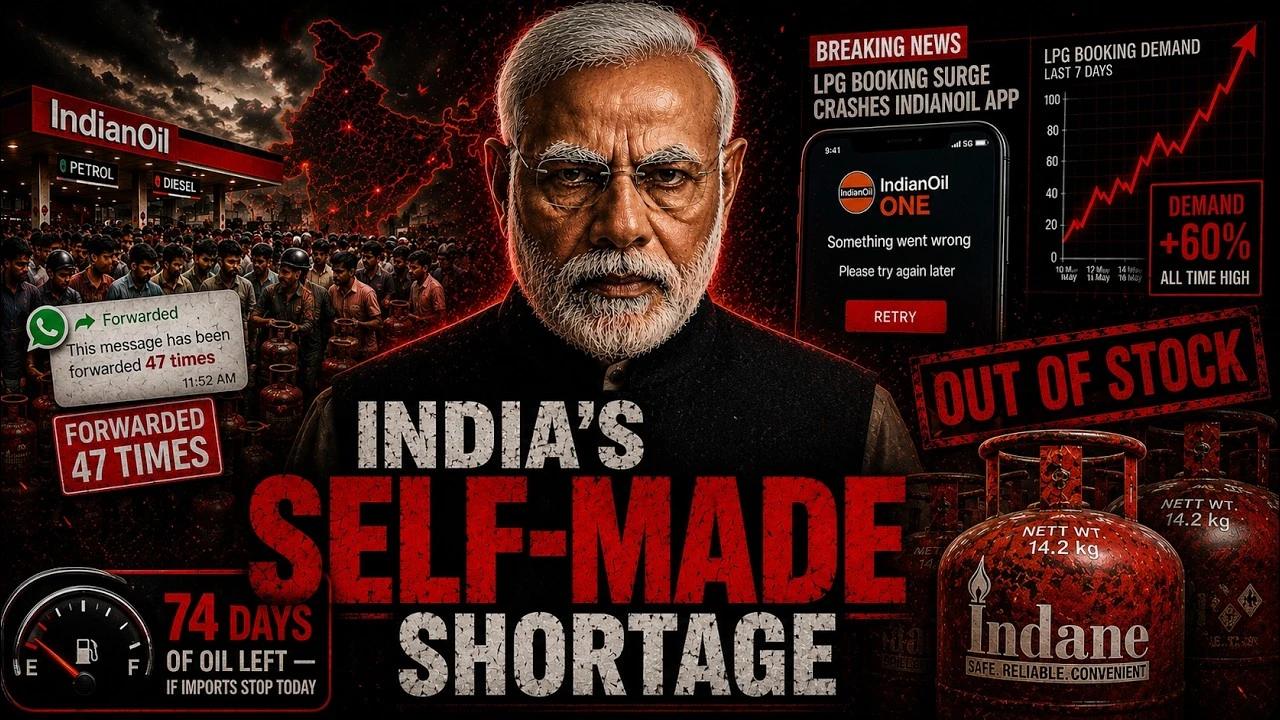
Washington has temporarily halted its massive Strait of Hormuz military operation, offering Tehran a brief, face-saving window to surrender before forcibly reopening the waterway.
 Sseema Giill
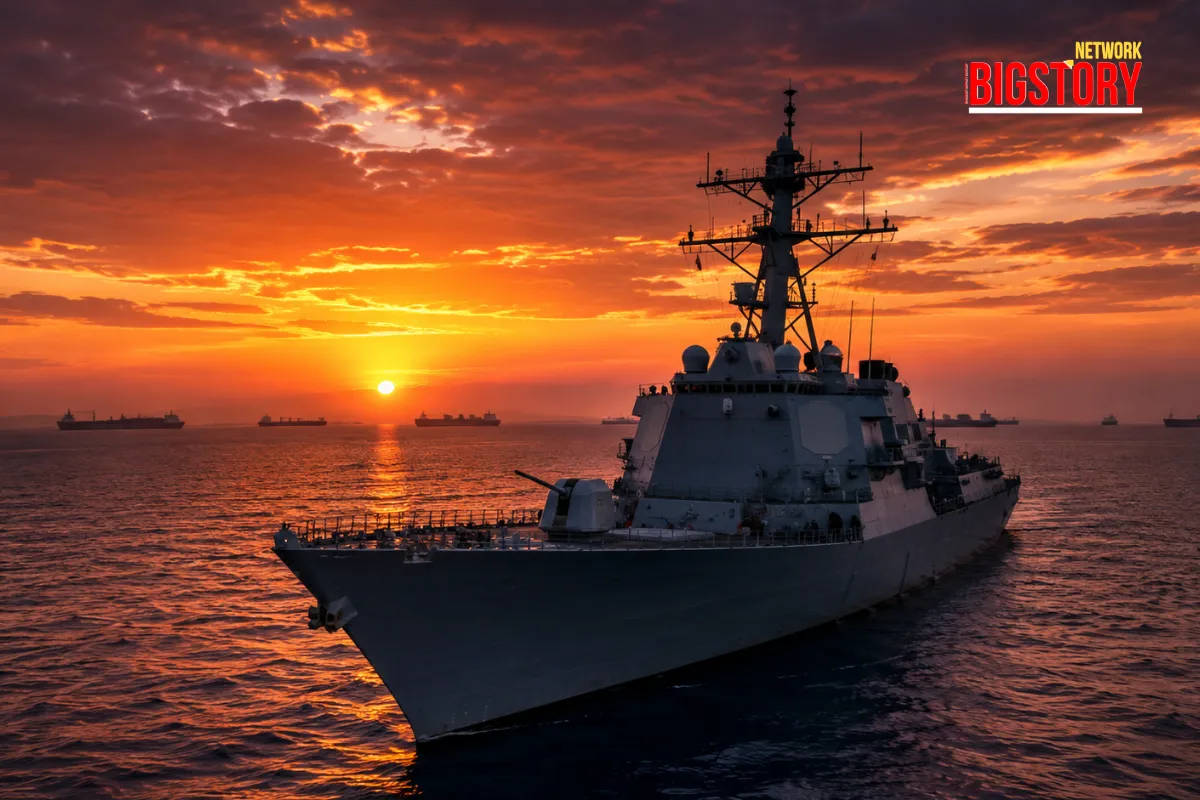
• What happened: President Donald Trump temporarily suspended "Project Freedom," a US military mission to escort commercial ships through the Strait of Hormuz.
• Why it happened: The sudden pause signals a potential diplomatic breakthrough, with Trump citing significant progress toward a final peace agreement facilitated by Pakistani mediation.
• The strategic play: By maintaining the crippling naval blockade while pausing the escorts, the US applies maximum economic pressure while removing an immediate maritime flashpoint.
• India's stake: The prolonged disruption in the Strait directly threatens India's critical oil supply chains and the safety of thousands of stranded Indian sailors.
• The deciding question: Will Tehran's fractured civilian leadership deliver a binding peace agreement before the US resumes full-scale military operations to permanently reopen the Strait?
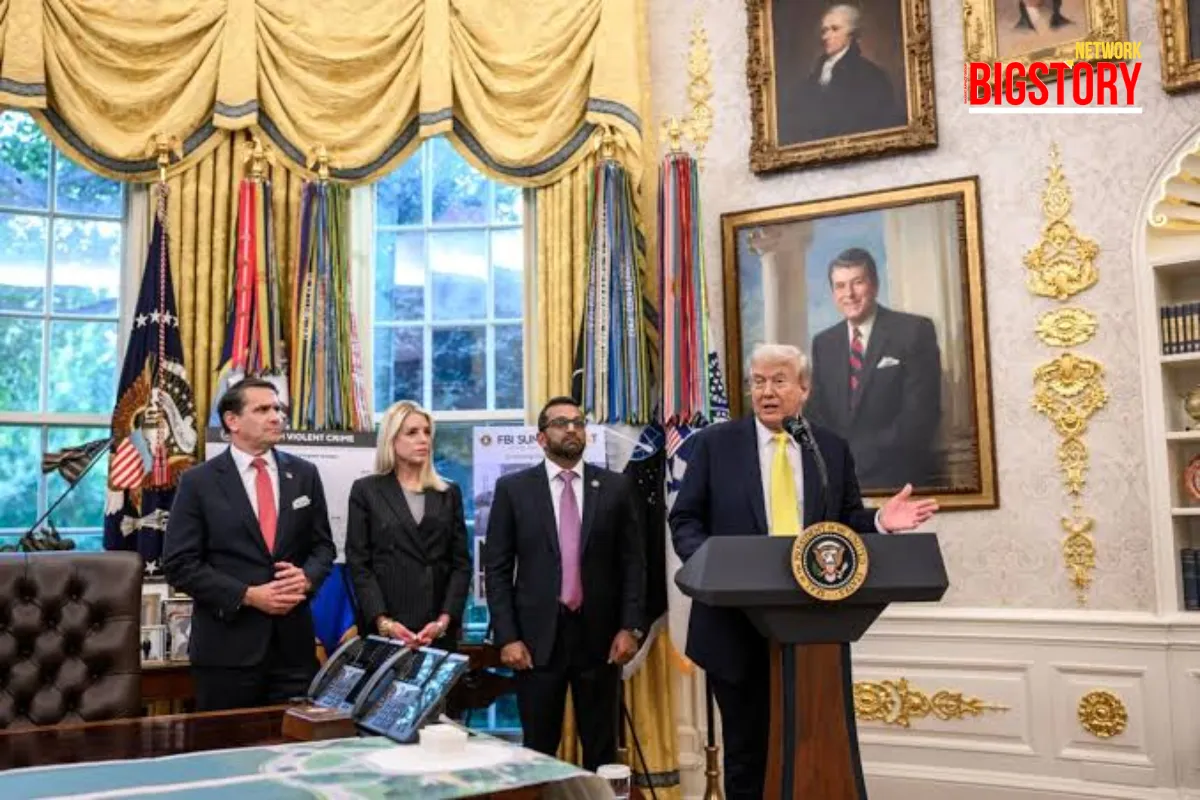
US President Donald Trump paused Project Freedom ship escorts today, suspending the massive military operation in the Strait of Hormuz to facilitate a potential diplomatic breakthrough with Iran. Trump announced the sudden halt on Truth Social, explicitly citing "great progress" toward a final peace agreement following direct mediation requests from Pakistan.
The suspension offers a brief tactical pause, but the economic chokehold continues unabated. Trump confirmed the severe US naval blockade on Iranian ports remains fully active, ensuring Washington maintains maximum leverage while negotiators attempt to finalize the deal.
• The Trigger: Project Freedom launched Monday morning as a humanitarian effort to extract neutral commercial vessels trapped in the heavily contested Strait of Hormuz.
• The Background: The mission deployed US guided-missile destroyers and air support to guide thousands of stranded sailors out of the Persian Gulf.
• The Escalation: The operation immediately sparked hostilities, with Iran allegedly attacking a UAE tanker and the South Korean cargo ship HMM Namu, prompting US forces to sink several approaching Iranian fast-attack boats.
• The Stakes: The highly volatile 24-hour window threatened to collapse the fragile ceasefire entirely, forcing Pakistan to step in as a primary mediator to halt the immediate maritime clashes.
Donald Trump, President of the United States
Trump executed a calculated diplomatic maneuver by pausing the escorts. He frames the suspension as a goodwill gesture while keeping the devastating naval blockade fully operational to force Tehran's hand.
Marco Rubio, US Secretary of State
Rubio recently confirmed the conclusion of "Operation Epic Fury," an aggressive military campaign that systematically decimated Iran's anti-ship cruise missile sites, severely reducing Tehran's defensive capabilities.
Shehbaz Sharif, Prime Minister of Pakistan
Sharif and the Pakistani diplomatic corps act as the primary conduit between Washington and Tehran, utilizing their regional positioning to mediate the immediate pause and prevent a full-scale resumption of combat.
Mainstream coverage frames the pause of Project Freedom as a necessary de-escalation to save the peace talks, but the real play is a coordinated good-cop/bad-cop strategy built on absolute military dominance. Secretary of State Marco Rubio recently noted the conclusion of "Operation Epic Fury," a devastating campaign in which US forces used 5,000-pound bunker busters to annihilate Iran's anti-ship cruise missile sites. Trump is not pausing out of fear of the Islamic Revolutionary Guard Corps; he is pausing because the US has already neutralized Iran's primary naval threat.
This pause gives Tehran’s fractured civilian leadership a brief, face-saving window to sign a final agreement. For India, this diplomatic tightrope dictates immediate energy security. The blockade and the trapped vessels in the Strait of Hormuz choke off critical global oil routes that fuel the Indian economy, while thousands of Indian merchant sailors remain caught in the crossfire. If this Pakistani-mediated window fails, the US will forcibly and permanently reopen the Strait, severely escalating the risk to Indian assets in the region.
• Energy Supply Chains: A prolonged blockade or resumed hostilities in the Strait of Hormuz threatens to spike global oil prices, directly impacting India's import costs and inflation.
• Stranded Citizens: The Ministry of External Affairs must monitor the trapped commercial vessels, many of which are manned by Indian crews requiring immediate extraction.
• The 48-Hour Window: Watch for any finalized diplomatic agreement mediated by Pakistan; a failure will likely trigger the immediate resumption of Project Freedom escorts.
• Immediate Governance: US Central Command will maintain its defensive perimeter and active blockade, holding positions without advancing commercial convoys.
• Structural Shift: Iran's inability to stop Operation Epic Fury exposes a critical degradation in its regional deterrence capabilities.
• India-Specific Consequence: New Delhi must navigate an increasingly complex regional dynamic where its geopolitical rival, Pakistan, secures leverage as the primary peacemaker between the US and Iran.
If the US military has already destroyed Iran's naval capabilities through Operation Epic Fury, is this temporary pause a genuine diplomatic off-ramp or just a countdown to the total forced reopening of the Strait?
• Hindustan Times: Trump's Project Freedom: All about paused US mission in turbulent Strait of Hormuz
• TIME: Trump Pauses 'Project Freedom' in Hope of Deal With Iran
• The Times of India: More Strait talks: Trump rolls out 'Project Freedom' to guide ships through Hormuz
• India TV News: US declares end of 'Operation Epic Fury' against Iran
 Exclusive Content





Sign up for the Daily newsletter to get your biggest stories, handpicked for you each day.


 Trending Now! in last 24hrs