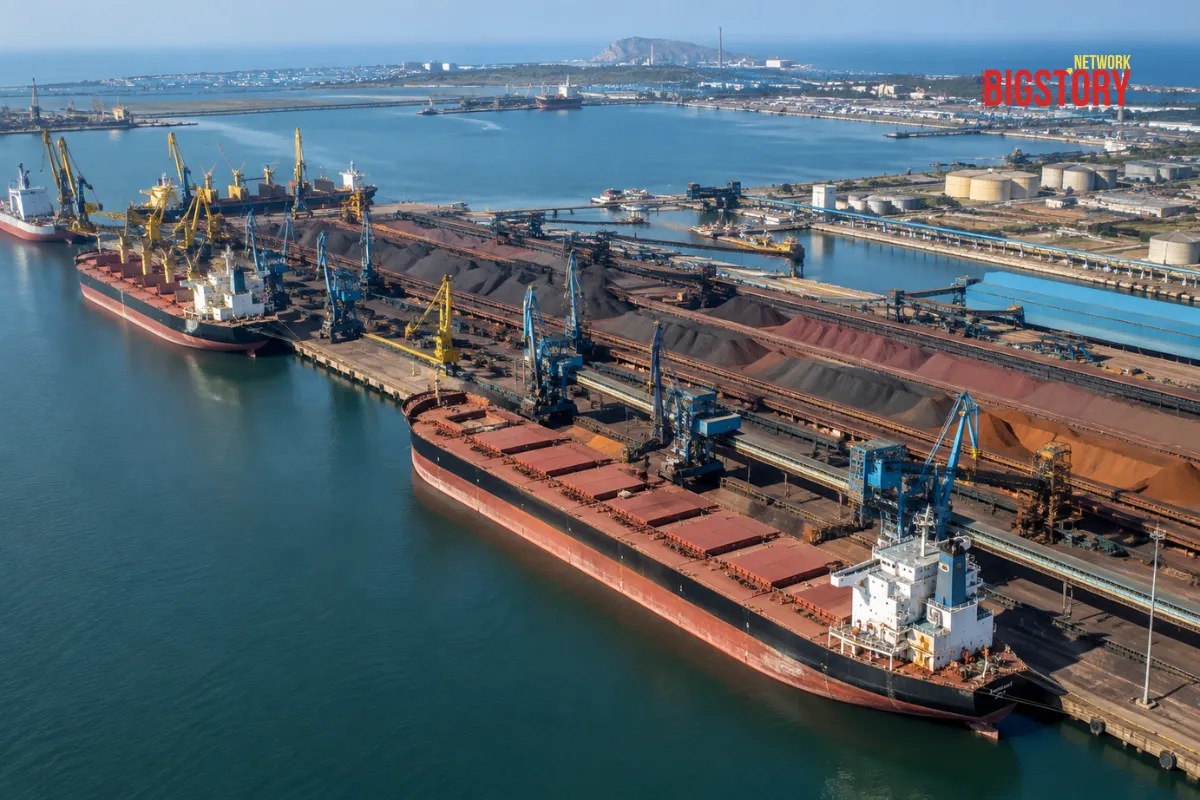
More than 300 years after they were taken from Nagapattinam, a massive 30-kilogram symbol of India’s historical maritime superpower status has finally come home.
 Sseema Giill
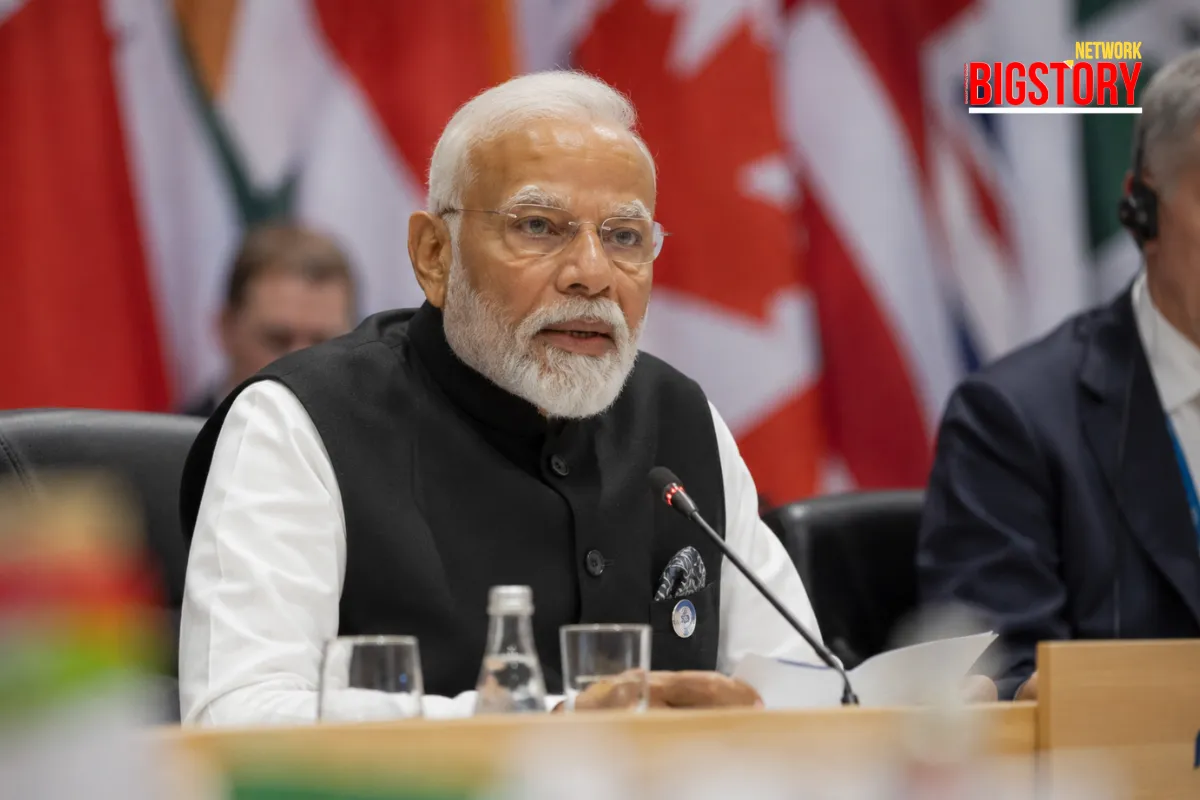
• What happened: In a historic restitution ceremony in The Hague, Dutch Prime Minister Rob Jetten officially handed over the 11th-century Chola Copper Plates to Prime Minister Narendra Modi.
• Why it happened: Following a relentless diplomatic push that began in 2012, Leiden University and the Dutch Colonial Collections Committee concluded that the artifacts must be returned to India unconditionally.
• The strategic play: Reclaiming this specific artifact perfectly aligns with New Delhi's modern geopolitical strategy, using the ancient Chola maritime dominance to legitimize India's current push for a "Free and Open Indo-Pacific."
• India's stake: Weighing 30 kg and inscribed in both Tamil and Sanskrit, the plates document a Hindu emperor financing a Buddhist monastery built by Southeast Asian rulers—an invaluable record of ancient Indian religious pluralism and diplomacy.
• The deciding question: With the Leiden Plates successfully returned, will India escalate its aggressive cultural diplomacy to force other European nations to restitute major colonial plunder?
India has secured a massive cultural and diplomatic victory on the European stage. During his high-stakes visit to the Netherlands on Saturday, Prime Minister Narendra Modi accepted the formal restitution of the 11th-century Chola Copper Plates, ending a complex diplomatic campaign that spanned over a decade.
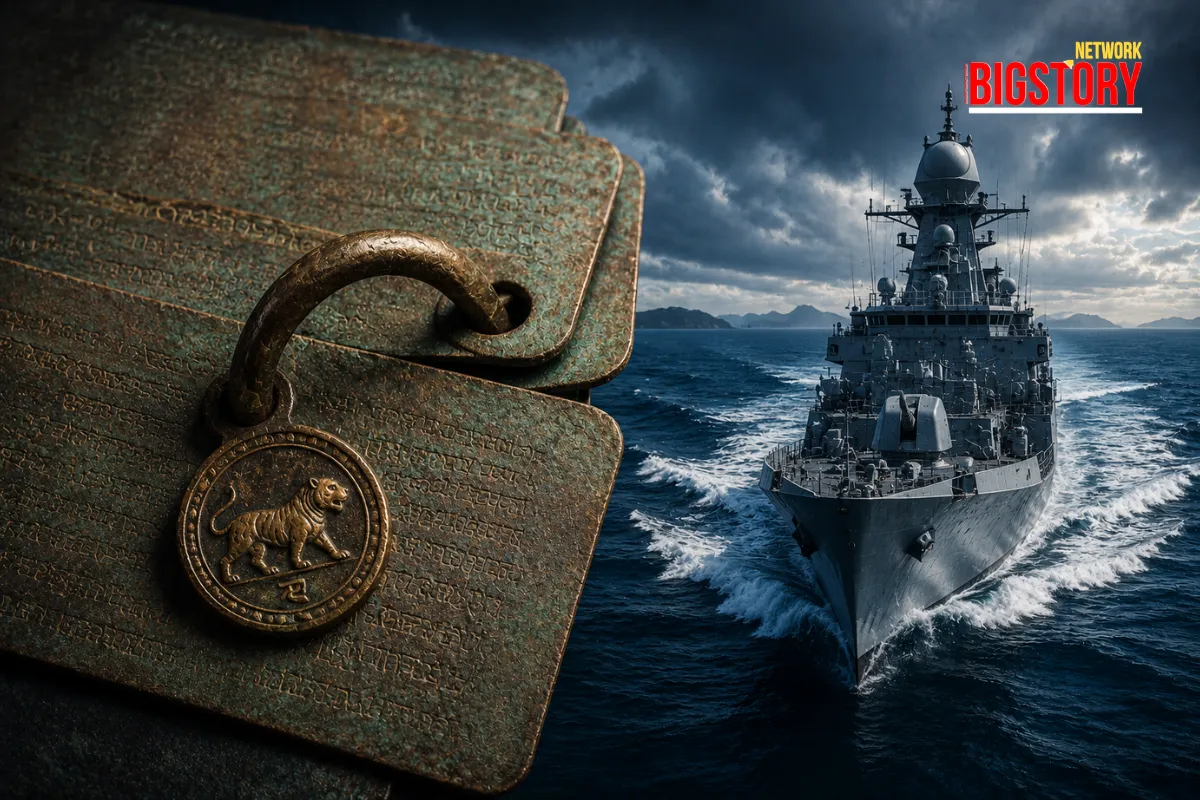
Known in Europe as the "Leiden Plates" and in India as the "Anaimangalam Copper Plates," the collection consists of 21 large and three small copper sheets weighing nearly 30 kilograms. Bound together by a massive bronze ring bearing the royal seal of King Rajendra Chola I, they represent one of the most vital surviving administrative records of the Chola Empire.
• The Trigger: India formally launched the diplomatic push for the return of the plates in 2012, which culminated in the Dutch Colonial Collections Committee advising Leiden University to unconditionally restitute the artifacts in late 2025.
• The Background: The plates were removed from the Indian port city of Nagapattinam in the early 1700s by a Dutch Christian missionary, Florentius Camper, during the period of Dutch East India Company (VOC) control.
• The Escalation: Kept in the vaults of Leiden University since 1862, the plates became a prime target for New Delhi's aggressive ongoing campaign to repatriate stolen cultural heritage.
• The Stakes: Prime Minister Modi described the handover as a "joyous moment for every Indian," directly tying the return to his government's overarching vision of Vikas Bhi Aur Virasat Bhi (Development as well as Heritage).
Narendra Modi, Prime Minister of India Modi is leveraging the repatriation to project a powerful narrative of civilizational resurgence, celebrating the Cholas for their unparalleled culture and maritime prowess on the global stage.
Rob Jetten, Prime Minister of the Netherlands The Dutch PM's facilitation of the return demonstrates a critical softening of European resistance to cultural restitution, setting a powerful precedent for how Western institutions handle colonial-era artifacts.
Mainstream coverage is treating this strictly as an archaeological triumph, but the real play is why these specific plates are so diplomatically potent right now. The Chola dynasty represents the absolute zenith of India's historical maritime power.
The plates themselves are a highly detailed transcript—written in Tamil and Sanskrit—recording a royal decree by King Rajaraja Chola I to donate the entire revenue of the Anaimangalam village to fund a Buddhist monastery. Crucially, this monastery in Nagapattinam was built by the Srivijaya Empire from modern-day Southeast Asia. It explicitly proves a strong, peaceful, and cooperative maritime link between South Asia and Southeast Asia a thousand years ago.
As New Delhi signs modern defence pacts to secure global sea lanes and pushes aggressively for a "Free and Open Indo-Pacific" to counter Chinese naval expansion, reclaiming this artifact is a massive soft-power victory. It allows India to frame its modern Indo-Pacific strategy not as a new geopolitical expansion, but as a legitimate return to its historical role as a stabilizing, cooperative regional superpower.
• Cultural Momentum: The successful return of the Anaimangalam plates drastically strengthens the mandate of the Archaeological Survey of India (ASI) and groups like India Pride Project to aggressively pursue other high-profile colonial artifacts.
• Diplomatic Capital: The restitution strengthens the broader India-Netherlands bilateral relationship, generating massive goodwill as the two nations negotiate complex tech and semiconductor investments.
• Historical Integrity: For the first time in over 300 years, researchers and historians in Tamil Nadu will eventually have direct, domestic access to one of the most important administrative texts of their ancestors.
• Immediate Governance: The 30 kg artifact will be securely transported to New Delhi and handed over to the ASI, which will determine the logistics of its preservation and eventual public exhibition.
• Structural Shift: European museums are now under immense, documented pressure. The Leiden University precedent proves that establishing the "involuntary loss of possession" during colonial rule is a valid, enforceable legal avenue for repatriation.
• India-Specific Consequence: By physically reclaiming the royal seal of Rajendra Chola I, India is not just taking back a museum piece; it is repossessing the ultimate historical proof of its ancient naval dominance.
If the Dutch government is willing to return the keys to India's maritime history, how long can the British Museum hold out against New Delhi's growing diplomatic gravity?
• The Hindu: Chola-era Anaimangalam Plates, in possession of Leiden University since 1862, returned to India
• Hindustan Times: What are the Chola plates? Netherlands returns 1,000-year-old Indian heritage to PM Modi
• Times of India: Netherlands returns 11th Century 'Chola Plates', PM Modi says 'joyous moment for every Indian'
• PTI News (Press Trust of India): Netherlands hands back Chola dynasty copper plates to India
• The Sunday Guardian: What Are Anaimangalam Copper Plates And How Did PM Modi's Visit To Netherlands Lead To Their Return?
 Exclusive Content


Sign up for the Daily newsletter to get your biggest stories, handpicked for you each day.



 Trending Now! in last 24hrs