In a stark address from The Hague, the Prime Minister signals the end of the globalization era, warning that unchecked geopolitical chaos threatens to drag massive populations back into poverty.
 Sseema Giill
• What happened: PM Modi delivered a stark warning while addressing the Indian diaspora in the Netherlands, stating that the Middle East war and compounded global crises are creating a "decade of challenges."
• Why it matters: Delivering an unusually grim economic forecast, the Prime Minister warned that failure to stabilize global disruptions could wipe out decades of economic achievements and drag massive populations back into poverty.
• The strategic play: To insulate against this fallout, India is aggressively positioning the Netherlands as its "natural gateway" to Europe, pushing to secure trusted supply chains, green hydrogen, and advanced technology.
• India's stake: With volatile fossil fuel dependencies threatening to drain India's foreign exchange reserves, accelerating bilateral cooperation on green energy and finalizing the India-EU Free Trade Agreement is now an absolute economic imperative.
• The deciding question: As New Delhi openly acknowledges the fragility of the current international order, can India build a secure, alternative supply chain architecture fast enough to outrun the economic shockwaves of the West Asia war?
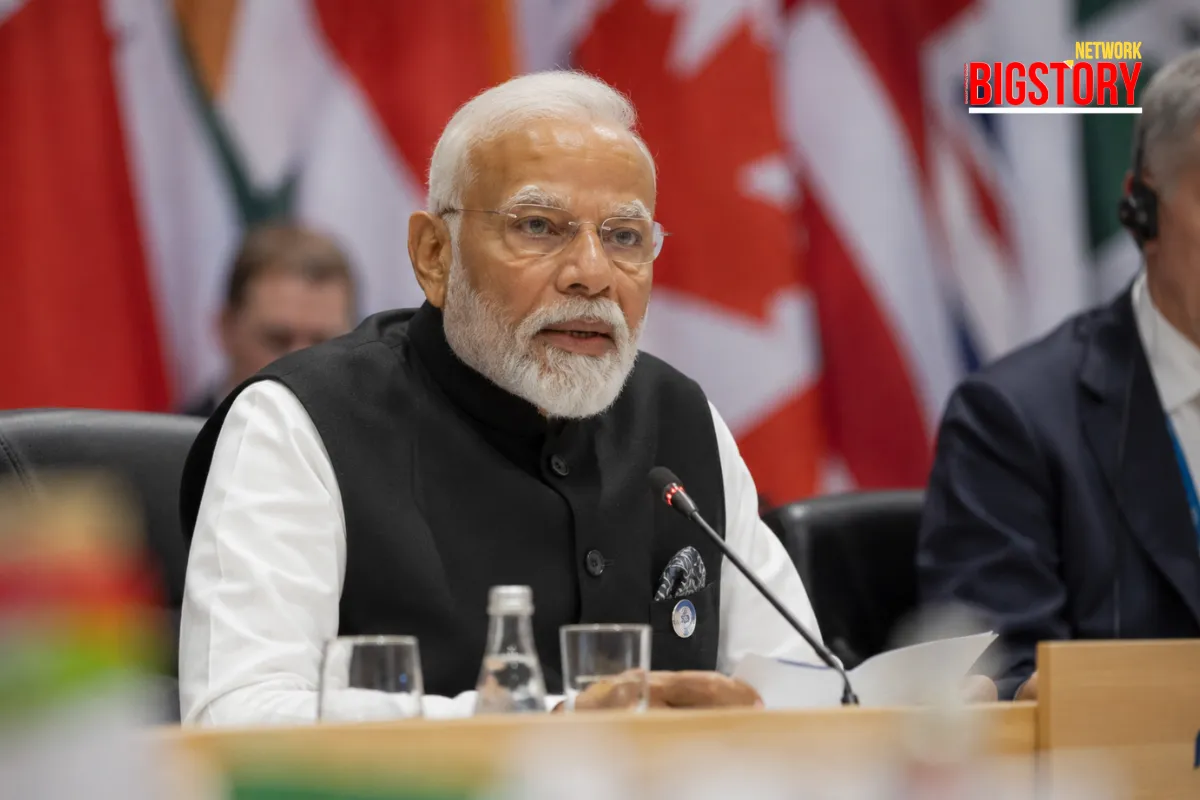
The economic anxiety surrounding the ongoing Middle East conflict has been escalated to the highest diplomatic level. While addressing the Indian diaspora in The Hague, Netherlands, on Saturday, Prime Minister Narendra Modi issued a severe global warning. He officially labeled the current era a "decade of challenges" and explicitly tied the West Asia crisis to the imminent threat of widespread global poverty.
During the 40-minute community address, the Prime Minister delivered an unusually grim macroeconomic forecast. He warned that if the compound effects of the pandemic, ongoing global conflicts, and the severe energy crisis are not rapidly resolved, "the achievements of the past several decades will be washed away, and the vast majority of the world's population will again slip into the quagmire of poverty."
• The Trigger: The address in The Hague comes on the heels of PM Modi's strategic stopover in the UAE, where he secured critical energy guarantees amidst the volatile US-Iran conflict.
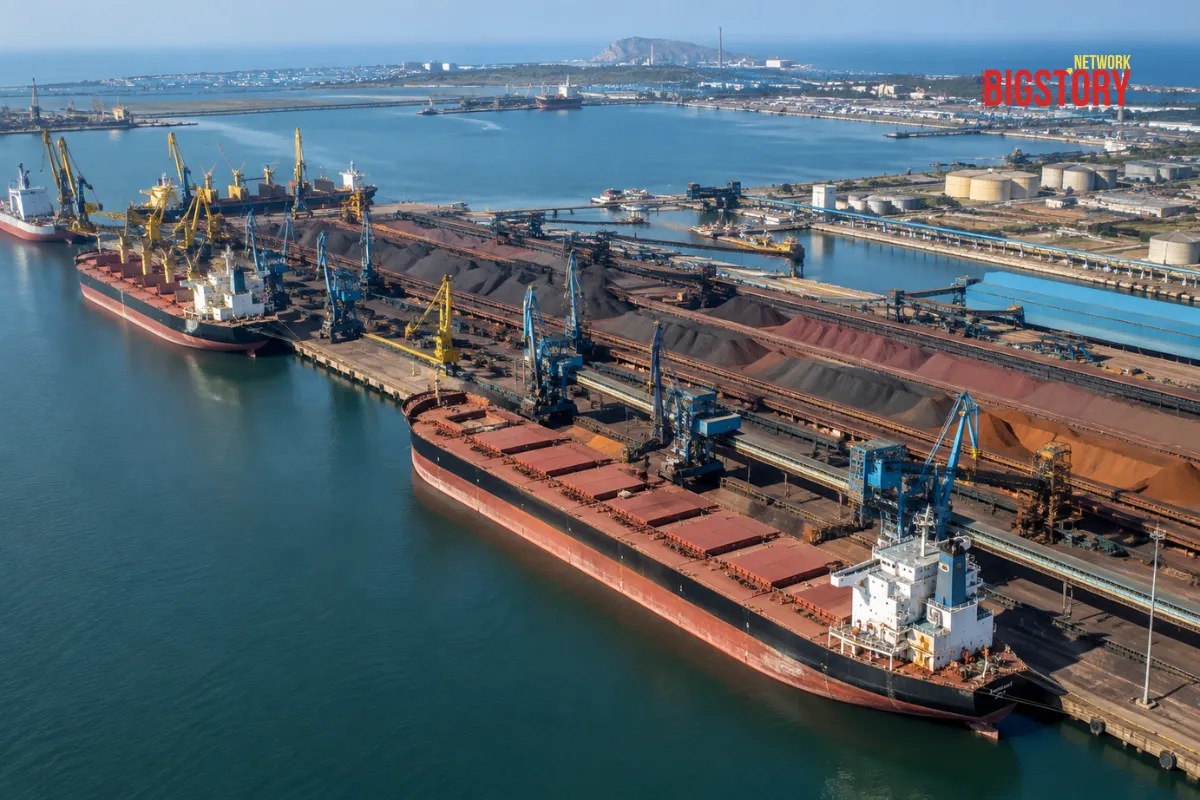
• The Background: The war in West Asia has plunged global energy markets and international shipping lanes into chaos, creating severe inflationary pressures that disproportionately target emerging economies.
• The Escalation: Modi's speech drastically elevated the rhetoric from standard diplomatic concern to a stark existential warning about the reversal of global development goals.
• The Stakes: To combat this, Modi pitched an immediate solution, emphasizing that India and the Netherlands are actively collaborating to build a "trusted, transparent, and future-ready supply chain" to insulate against these shocks.
Narendra Modi, Prime Minister of India Modi is utilizing this European tour not just to sign MoUs, but to fundamentally prepare Indian and global markets for a prolonged period of economic instability and restricted supply lines.
The Netherlands Positioned by New Delhi as the "natural gateway" for Indian businesses entering Europe, the Dutch government is serving as a critical strategic anchor for India's pivot toward green energy and secure trade routes.
Mainstream analysis treats this address as a standard diaspora outreach event, but the real play is the profound shift in New Delhi's foundational economic rhetoric. For years, the prevailing narrative has been about emerging markets rising on the tide of uninterrupted global trade. By publicly warning that decades of achievements could literally be "washed away," the PMO is signaling a profound pessimism about the current international order's ability to absorb the shock of the Middle East war.
This is not just a diplomatic speech; it is a domestic psychological preparation. The government is signaling to Indian markets, industries, and citizens that the era of cheap energy and stable global supply chains is officially over. Survival will now depend entirely on aggressive bilateral partnerships, building hyper-resilient local manufacturing, and securing immediate, trusted access to Western technology corridors.
• Energy Shock Insulation: By accelerating bilateral cooperation on green hydrogen and water security with the Netherlands, India aims to transition away from the volatile fossil fuel dependencies currently draining its foreign exchange reserves.
• The EU Trade Push: Securing resilient supply lines through the Netherlands is a foundational step in accelerating the historic, pending Free Trade Agreement between India and the European Union.
• Market Calibration: The Prime Minister's grim assessment will likely trigger immediate recalibrations within Indian equity markets and central bank policy as the nation prepares for prolonged imported inflation.
• Immediate Governance: The Ministry of Commerce and Industry will be heavily pressured to finalize "trusted supply chain" frameworks with European partners immediately upon the Prime Minister's return.
• Structural Shift: India is rapidly moving away from reliance on multilateral trade organizations in favor of direct, bilateral, iron-clad economic pacts with high-tech Western nations.
• India-Specific Consequence: The rhetoric signals a definitive shift—New Delhi is bracing for a highly volatile global economy, making self-reliance (Aatmanirbharta) not just a political slogan, but an absolute macroeconomic necessity.
If the "decade of challenges" cannot be reversed by existing global institutions, is India's aggressive push for bilateral security and trade pacts the only viable blueprint for surviving the new world order?
• Ministry of External Affairs (MEA): Official Transcript: PM's Address to the Indian Diaspora in The Hague
• The Hindu: PM Modi in Netherlands warns of 'decade of challenges' amid West Asia crisis
• The Economic Times: PM Modi flags global poverty risks, pitches Netherlands as gateway to Europe
• Asian News International (ANI): PM Modi addresses diaspora in The Hague, calls for trusted supply chains
 Exclusive Content
Sign up for the Daily newsletter to get your biggest stories, handpicked for you each day.

 Trending Now! in last 24hrs