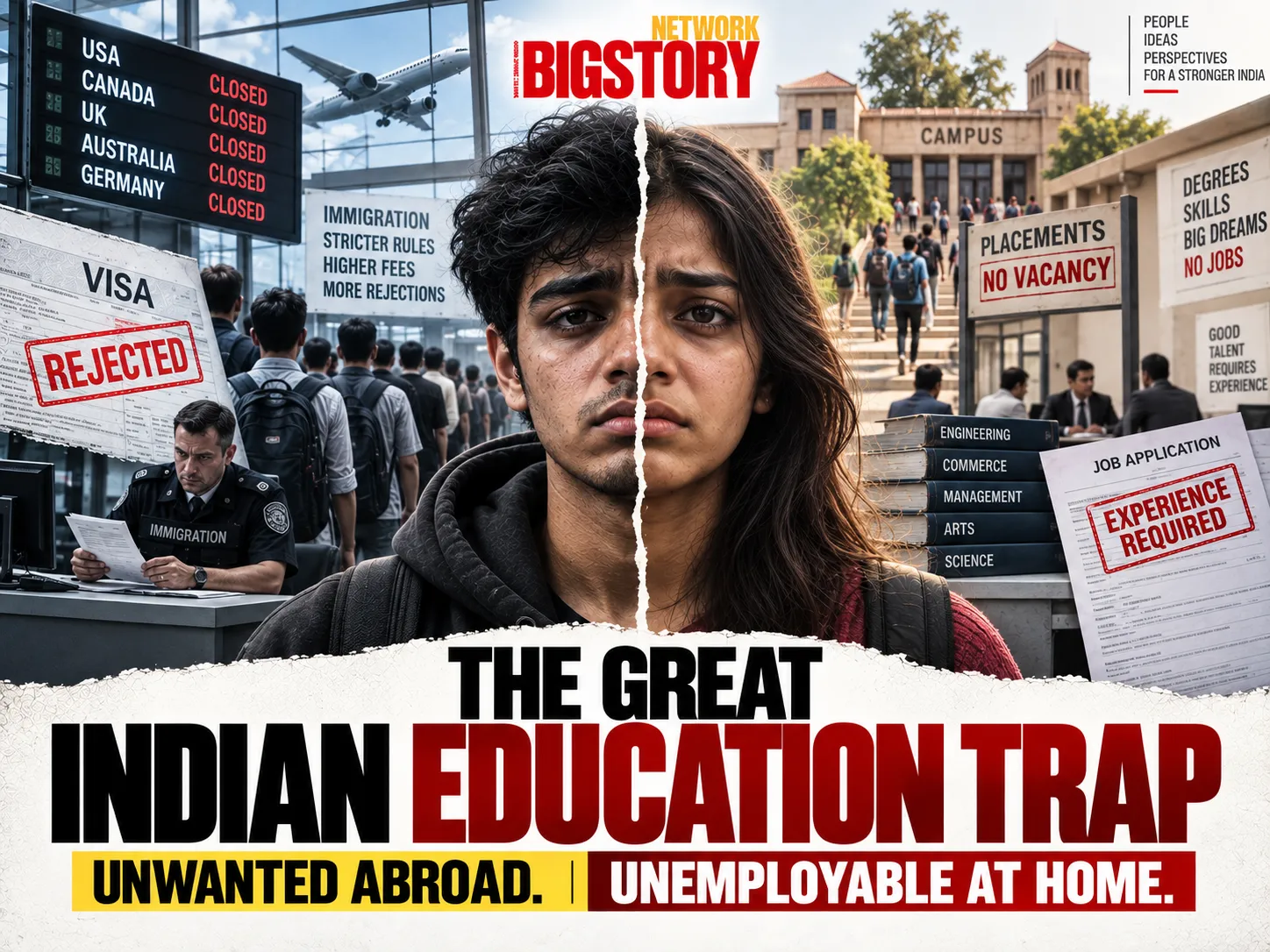
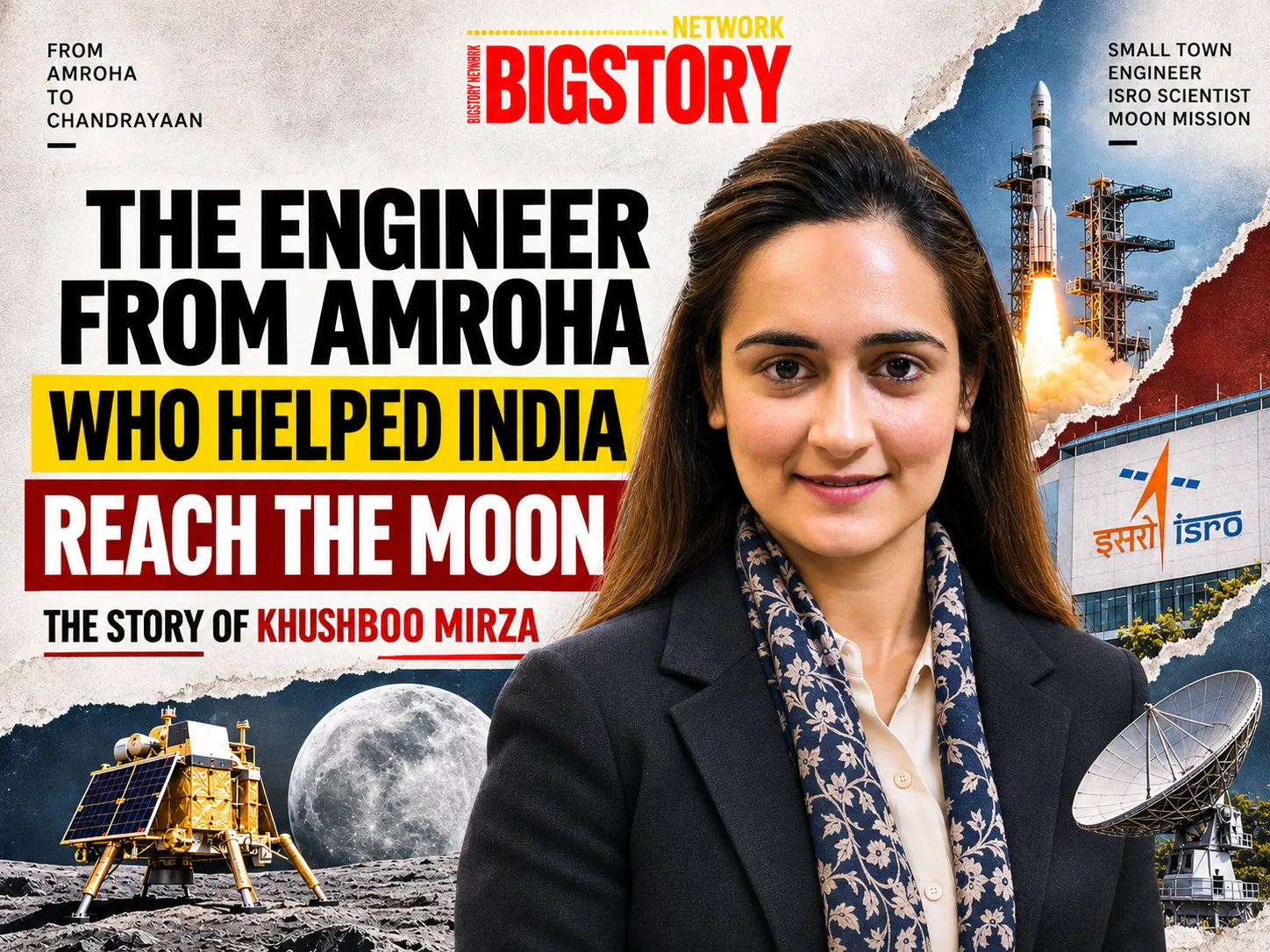
Small town. Big mission. Zero shortcuts. Discover how an engineer from Amroha earned her place in the story, and gave the credit back. Khushboo Mirza grew up in Amroha and went on to work on India’s lunar missions. This is the story of the engineer behind the machine, and the belief behind the engineer.
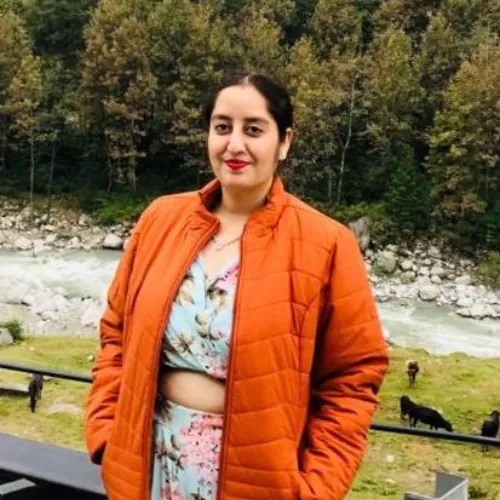 Rashmeet Kaur Chawla
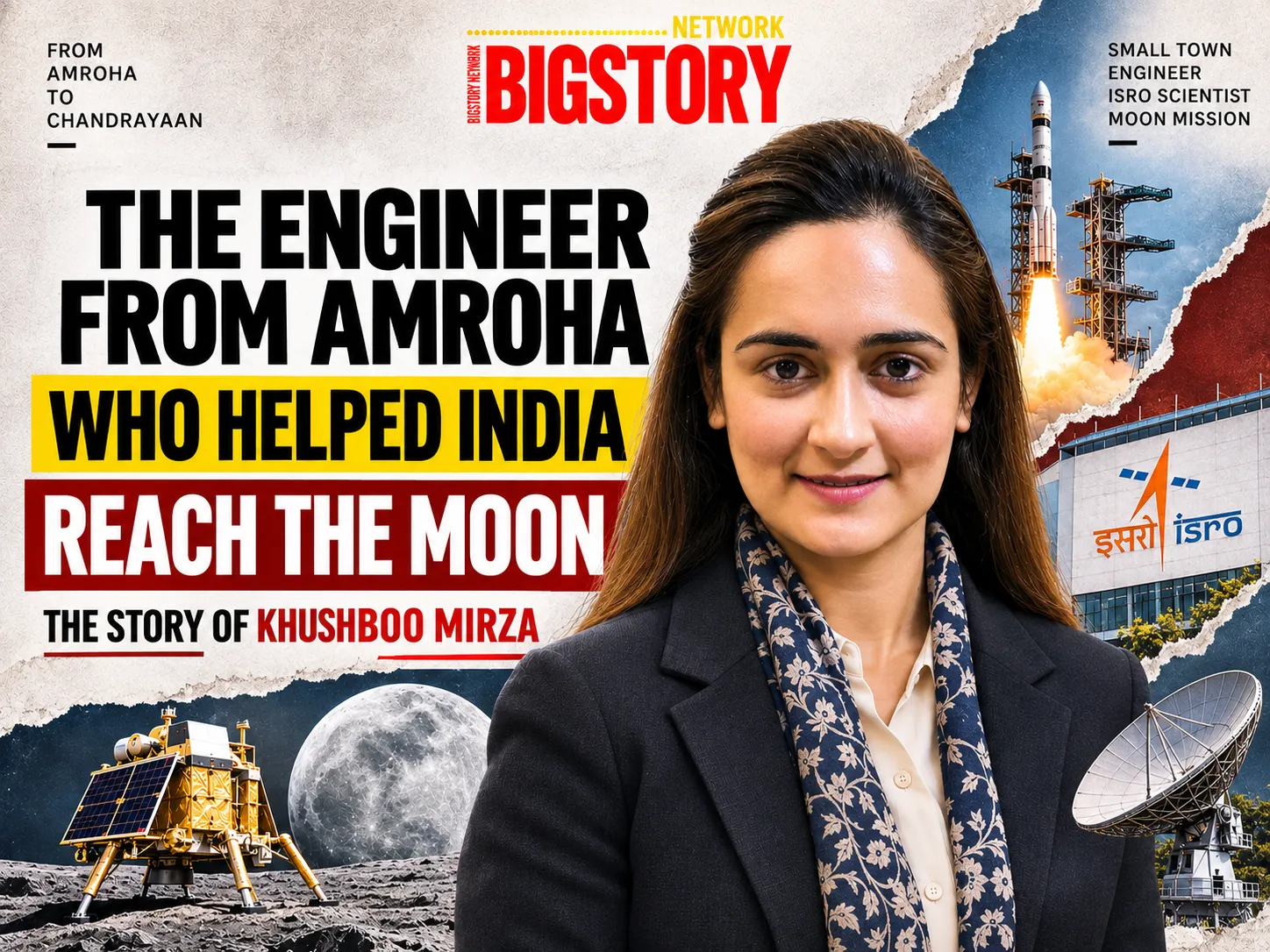
Khushboo Mirza hails from Amroha, western Uttar Pradesh, a town unknown to most people beyond the region. She lost her father while she was just seven years old and her mother managed to run the business of the family. She claims that her family is very much educated and liberal-minded, in which modern thoughts and traditions go well together.
She then pursued her engineering degree in Electrical Engineering from Aligarh Muslim University and graduated with her B.Tech in 2006. From a small town to an engineering program all over India is never easy, especially when you do it through your mother’s belief in you.
As she left school, Adobe offered her a job as a software engineer, one with the pay package of an MNC and the associated security. But even then she applied to ISRO saying that she wanted to be of service to Indian science. Her mother approved the choice. She has said Khushboo was eager to help out, and she was more than happy to allow her to do so.
Khushboo became an integral part of the Chandrayaan-1 team in 2008. She was the youngest member of the team of twelve engineers who belonged to the Check-Out division of the mission, and for almost two years she worked with the team to make India’s first probe ready for the moon.
Check-out refers to the verification process in any mission. It involves testing of the spacecraft systems by the engineers to make sure that they are working fine before launching into space. Check-out does not have much media coverage, but a failure during this phase may spell doom for any mission within a few minutes.
However, after her successful journey, Khushboo’s hometown was swamped with guests. Her mother joked that some people in her neighborhood thought Khushboo had actually traveled to the moon and enquired about the time of her return.
She earned the name “Moon Girl” among her fellow towns people. Her brother said that a picture of her with former President APJ Abdul Kalam published in a local newspaper prompted everybody in the town to cheer their decisions. There is something more modest to be remembered by her colleagues. She once celebrated Eid along with her colleagues in
an ISRO lab.
She was one of the scientists involved in Chandrayaan-2 mission in 2019, the more advanced sequel to the earlier mission, which included an orbiter, a lander, and a rover. Sources say that she had been chosen to work on the mission.
The social media post which surfaced mid-2020 claimed that she had been appointed as Director of ISRO and was the second ever Muslim scientist after Dr Kalam who was given the designation of Director in their careers. She clarified in response that she had seen a lot of fake articles written on her and she had brought this matter to the notice of her organization. This particular claim was false in its own right. The head of ISRO is a Chairman and not a Director. She had been elevated in her designation but not to this particular position.
She received ISRO’s Team Excellence Award in April 2015. In 2018, President Ram Nath Kovind commended her for her contribution in the Chandrayaan mission. She was recently
Khushboo Mirza did not need a metro address to reach the moon. She came from Amroha, a town most of India could not place on a map, and she did not have the advantages we usually link to big-city success: the right school, the right network, or a ready-made support system. What she had was a mother who believed in her, a degree earned through persistence, and the willingness to choose purpose over a comfortable offer.
Where you are born can decide the first step of your journey, but it does not decide the last. Talent does not need a postcode to exist, only the chance to be tested. Ambition from a small town takes more effort to be noticed, but once it arrives, it carries the whole town’s hope with it. The real distance she covered was not between Amroha and a lunar mission. It was between “people like us don’t do this” and “people like us can.” If you are reading this from a small city, a modest background or an unfamiliar road, let her story be a reminder: the size of your city never decides the size of your dream.
 Exclusive Content


Sign up for the Daily newsletter to get your biggest stories, handpicked for you each day.


 Trending Now! in last 24hrs