India signs ₹1,200 crore deal for e-methanol plant at Kandla Port (Feb 2, 2026). Project aims to create a global green bunkering hub and challenge Singapore.
 Brajesh Mishra
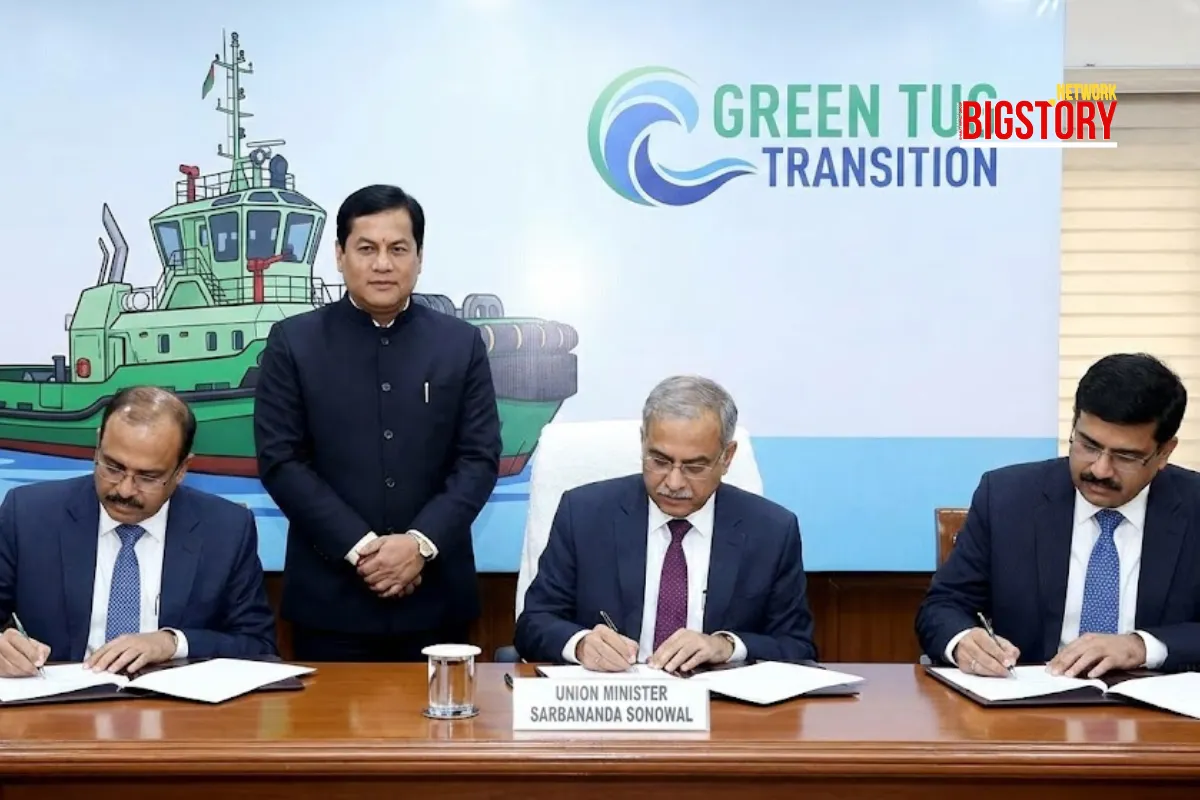
In a strategic move to disrupt the global marine fuel market, Assam Petro-Chemicals Ltd (APL) has signed a Memorandum of Understanding (MoU) with the Deendayal Port Authority (DPA) to construct a ₹1,200 crore e-methanol plant at Kandla Port, Gujarat.
Signed this week (Jan 30 - Feb 2, 2026), the deal aims to produce 150 tonnes per day (TPD) of e-methanol, a clean fuel produced using Green Hydrogen and captured Carbon. This facility is not just a factory; it is the cornerstone of India’s bid to become the "Green Bunkering Capital" of South Asia, challenging the dominance of Singapore and Fujairah along the critical Singapore-Rotterdam shipping corridor.
While the media frames this as an "Environmental Initiative," the deeper story is Geopolitical Economics.
If India becomes the cheapest source of the fuel that powers the world's greenest ships, does the "Spice Route" of the past become the "Clean Energy Route" of the future?
1. What is the new project at Kandla Port? It is a ₹1,200 crore e-methanol production plant being set up by Assam Petro-Chemicals Ltd (APL) and Deendayal Port Authority (DPA). It will produce 150 tonnes of green methanol daily for ships.
2. How does e-methanol help shipping? E-methanol is a low-carbon fuel. Using it in dual-fuel ship engines significantly reduces sulphur oxides (SOx), nitrogen oxides (NOx), and particulate matter compared to heavy fuel oil, helping ships meet international climate goals.
3. Why is Kandla chosen for this project? Kandla (Deendayal Port) is strategically located on the Asia-Europe shipping route. It is already a major chemical handling hub and has plenty of land to develop green hydrogen infrastructure, making it ideal for a bunkering (refuelling) hub.
4. What is the Green Tug Transition Programme (GTTP)? It is an Indian government initiative to replace diesel-powered harbour tugs (small boats that pull big ships) with "Green Tugs" running on batteries, methanol, or hydrogen. The target is to have 50% of all tugs run on green fuel by 2030.
News Coverage
 Exclusive Content






Sign up for the Daily newsletter to get your biggest stories, handpicked for you each day.


 Trending Now! in last 24hrs