BIGSTORY Network


India Feb. 2, 2026, 10:19 p.m.

Beyond Batteries: ARAI & IOCL Bet Big on Hydrogen Trucks

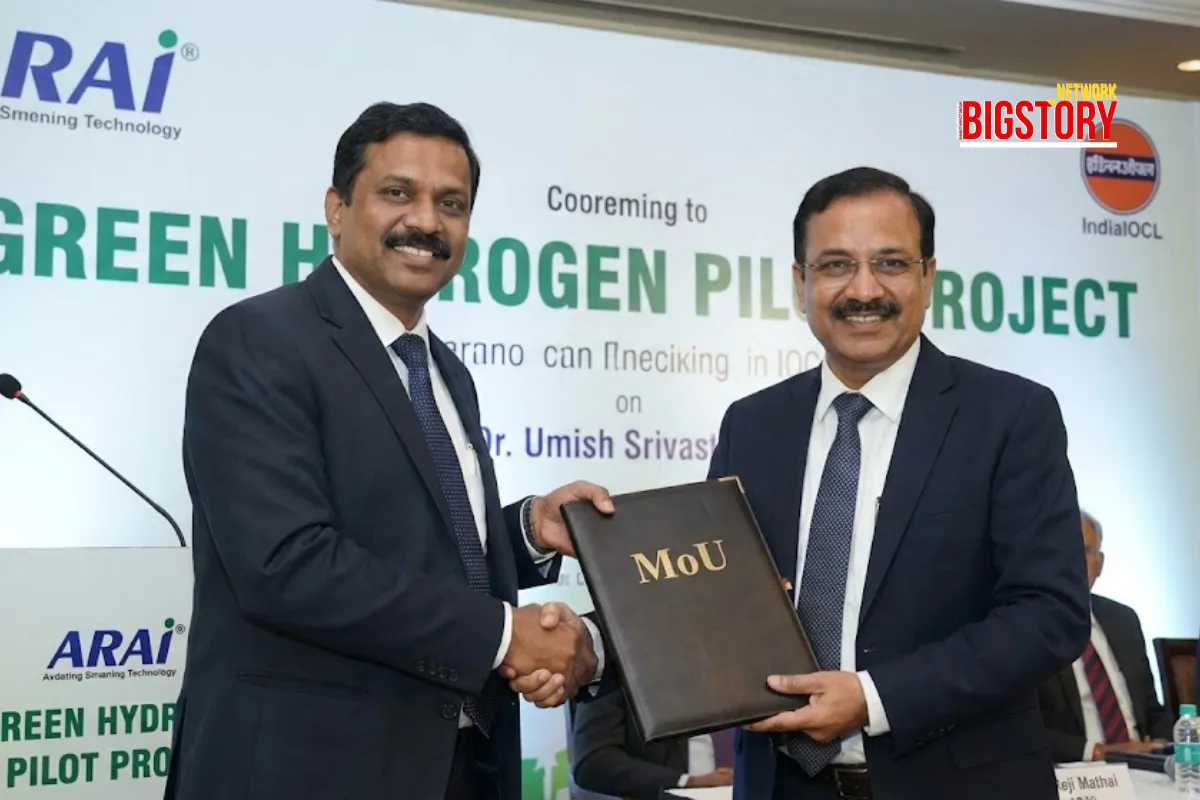
ARAI and Indian Oil sign MoU (Feb 2, 2026) for Green Hydrogen transport pilot. Project targets heavy vehicles and aligns with Budget 2026 green energy push.

by Author Brajesh Mishra
Hero Image

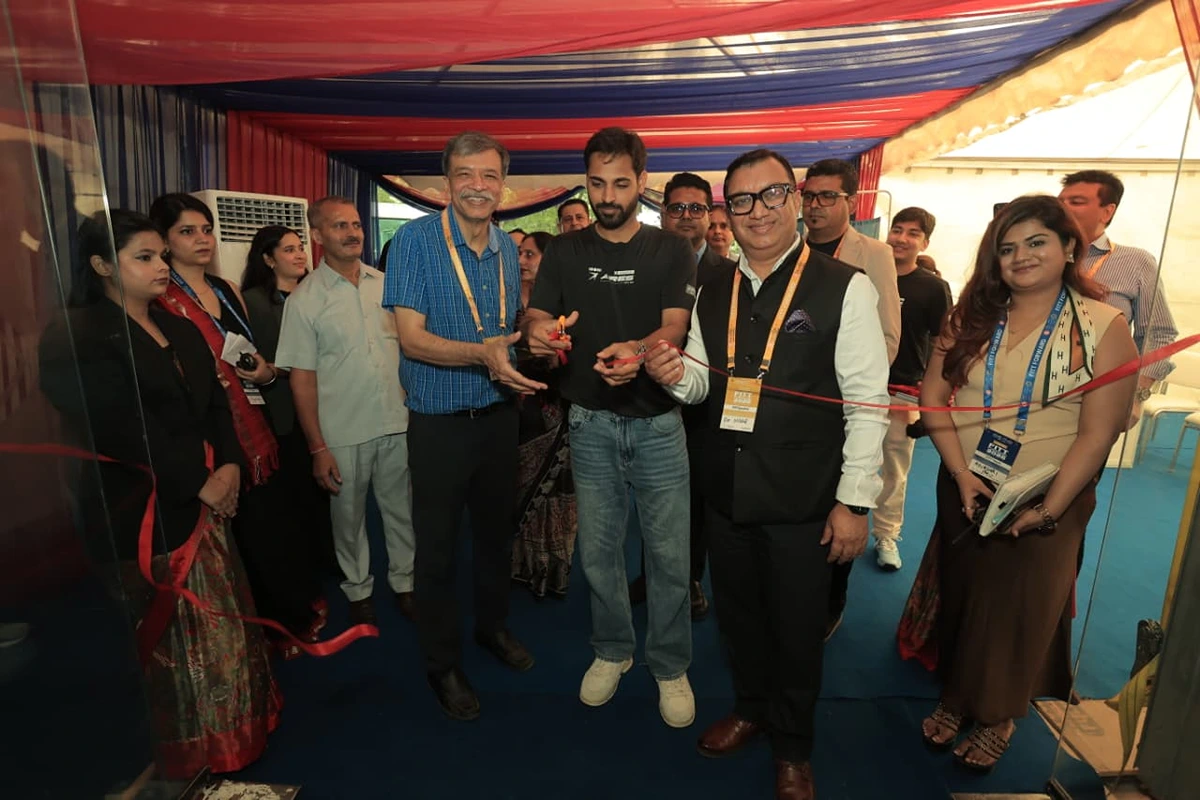
Today (Feb 2, 2026), the Automotive Research Association of India (ARAI) and Indian Oil Corporation Ltd (IOCL) signed a strategic Memorandum of Understanding (MoU) to launch Phase-I of a Green Hydrogen pilot project for the transport sector.

Facilitated by the Ministry of Heavy Industries, this agreement is the first major execution step following yesterday's Union Budget allocation of ₹20,000 crore for green energy initiatives. The pilot aims to move hydrogen technology from "lab research" to "real-world traffic," specifically testing its viability for heavy commercial vehicles (trucks and buses) where battery electric solutions struggle with weight and range.

The Context (From Mission to Motion)

  • The Foundation: The project stands on the shoulders of the National Green Hydrogen Mission (launched Jan 2023).
  • The Tech Milestone: ARAI already certified India’s first hydrogen fuel cell bus in Jan 2024. This new pilot is about scaling that technology and the fueling infrastructure simultaneously.
  • The Fiscal Push: With Budget 2026 allocating massive funds for Carbon Capture and Hydrogen pilots just 24 hours ago, this MoU effectively operationalizes those funds immediately.

The Key Players (Who & So What)

  • Dr. Reji Mathai (Director, ARAI): The Technocrat. He signed the deal emphasizing that while EVs are great for cars, India needs a "dense energy carrier" like hydrogen for its logistics backbone (trucks).
  • Dr. Umish Srivastava (Executive Director, IOCL): The Energy Partner. Represents IOCL’s aggressive pivot. As India's largest fuel retailer, IOCL is using this pilot to test the "pump-side" of the equation—how to produce, store, and dispense green hydrogen safely at scale.
  • Ministry of Heavy Industries: The Catalyst. By funding this via ARAI, the government ensures that the IP (Intellectual Property) for hydrogen drivetrains stays within India ("Viksit Bharat"), reducing dependence on foreign technology.

The BIGSTORY Reframe (The "ICE Survival" Strategy)

While the media frames this as a "Green Initiative," the deeper story is the Survival of the Piston Engine.

  • H2-ICE: The collaboration is likely exploring Hydrogen Internal Combustion Engines (H2-ICE) alongside Fuel Cells. Why? Because H2-ICE burns hydrogen in a modified engine block.
  • Saving the Supply Chain: This is a lifeline for India's massive auto-component industry (makers of pistons, cylinders, valves). Electric Vehicles (EVs) delete these parts; H2-ICE preserves them. This MoU is potentially a strategy to save millions of manufacturing jobs by simply swapping the fuel (Diesel to Hydrogen) while keeping the engine mechanics largely similar.

The Implications (Why This Matters)

  • For Logistics: If successful, this solves the "Battery Weight Penalty." A 40-tonne electric truck loses payload capacity to heavy batteries. A hydrogen truck does not. This pilot could define the future of Indian trucking.
  • For Components: It signals a "Pivot or Perish" moment for auto-part makers. The market for Hydrogen-compatible materials (that don't suffer from embrittlement) is about to explode.
  • For IOCL: It hedges their risk. If oil demand peaks, they become the monopoly supplier of the next fuel: Hydrogen.

The Closing Question (Now, Think About This)

If hydrogen allows us to keep the internal combustion engine but delete the pollution, is it actually a more "sustainable" transition for India's economy than a full EV overhaul?

FAQs: The Hydrogen Pilot

1. What is the ARAI-IOCL MoU about? It is an agreement to launch a pilot project to test the usage of Green Hydrogen in the transportation sector, specifically focusing on heavy commercial vehicles like buses and trucks.

2. Will this bring Hydrogen cars to India soon? Unlikely for personal cars. The focus is on commercial transport (trucks/buses). Hydrogen infrastructure is expensive and scarce, making it viable only on fixed commercial routes (e.g., Delhi-Mumbai highway) rather than for private city driving.

3. What is the difference between Green and Grey Hydrogen? Green Hydrogen is produced by splitting water using renewable energy (solar/wind). Grey Hydrogen is produced from natural gas, emitting CO2. This pilot focuses strictly on Green Hydrogen.

4. How does this link to the Budget 2026? The Union Budget 2026 allocated ₹20,000 crore for green energy transitions. This MoU is one of the first projects to utilize that policy push and funding framework.

Sources

News Coverage


Brajesh Mishra
Brajesh Mishra Associate Editor

Brajesh Mishra is an Associate Editor at BIGSTORY NETWORK, specializing in daily news from India with a keen focus on AI, technology, and the automobile sector. He brings sharp editorial judgment and a passion for delivering accurate, engaging, and timely stories to a diverse audience.

BIGSTORY Trending News! Trending Now! in last 24hrs

Sold the Country": Rahul Gandhi's Nuclear Allegation on PM Modi
India
Sold the Country": Rahul Gandhi's Nuclear Allegation on PM Modi
Meta’s Privacy Policy is "Theft": 5 Things to Know from the SC Hearing
India
Meta’s Privacy Policy is "Theft": 5 Things to Know from the SC Hearing
₹1,200 Cr Bet: How Kandla Plans to Steal Singapore's Fuel Trade
India
₹1,200 Cr Bet: How Kandla Plans to Steal Singapore's Fuel Trade
Beyond Batteries: ARAI & IOCL Bet Big on Hydrogen Trucks
India
Beyond Batteries: ARAI & IOCL Bet Big on Hydrogen Trucks