US-India Trade Deal 2026: Minister Piyush Goyal confirms a joint statement in 4-5 days to trigger 18% tariff cuts. Formal signing set for mid-March. Read more.
 Sseema Giill
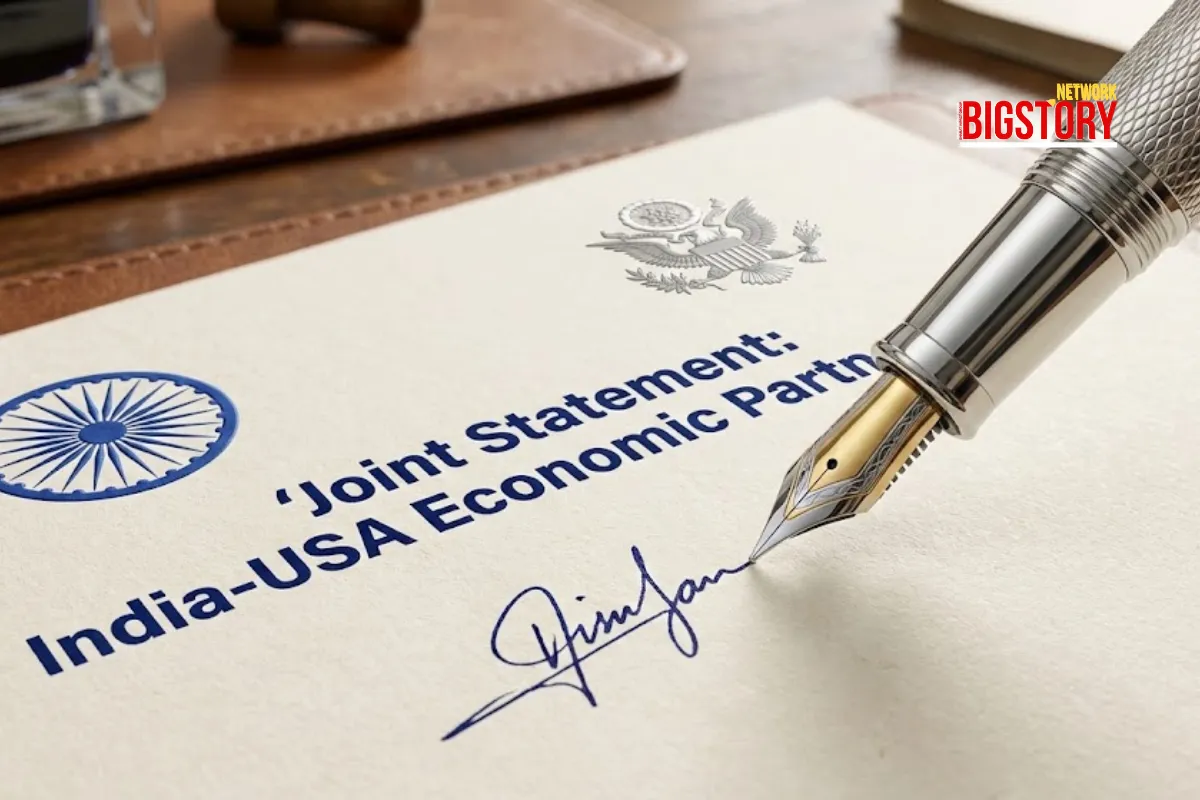
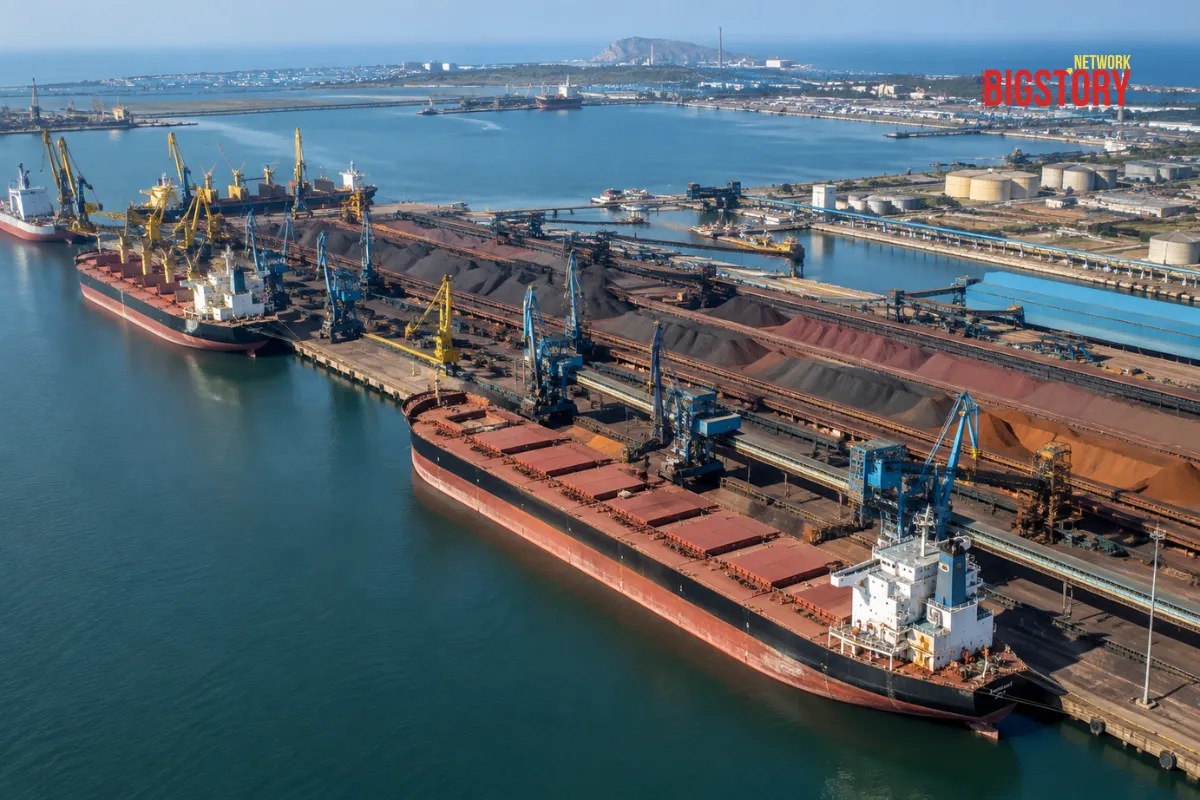
The global trade map is undergoing its most significant reconfiguration since the turn of the decade. Today, Union Commerce Minister Piyush Goyal confirmed that the "first tranche" of the historic India-US Bilateral Trade Agreement is nearing completion. A joint statement is expected to be inked within the next 4 to 5 days, a move that will prompt an executive order from Washington to officially slash tariffs on Indian exports to 18%.
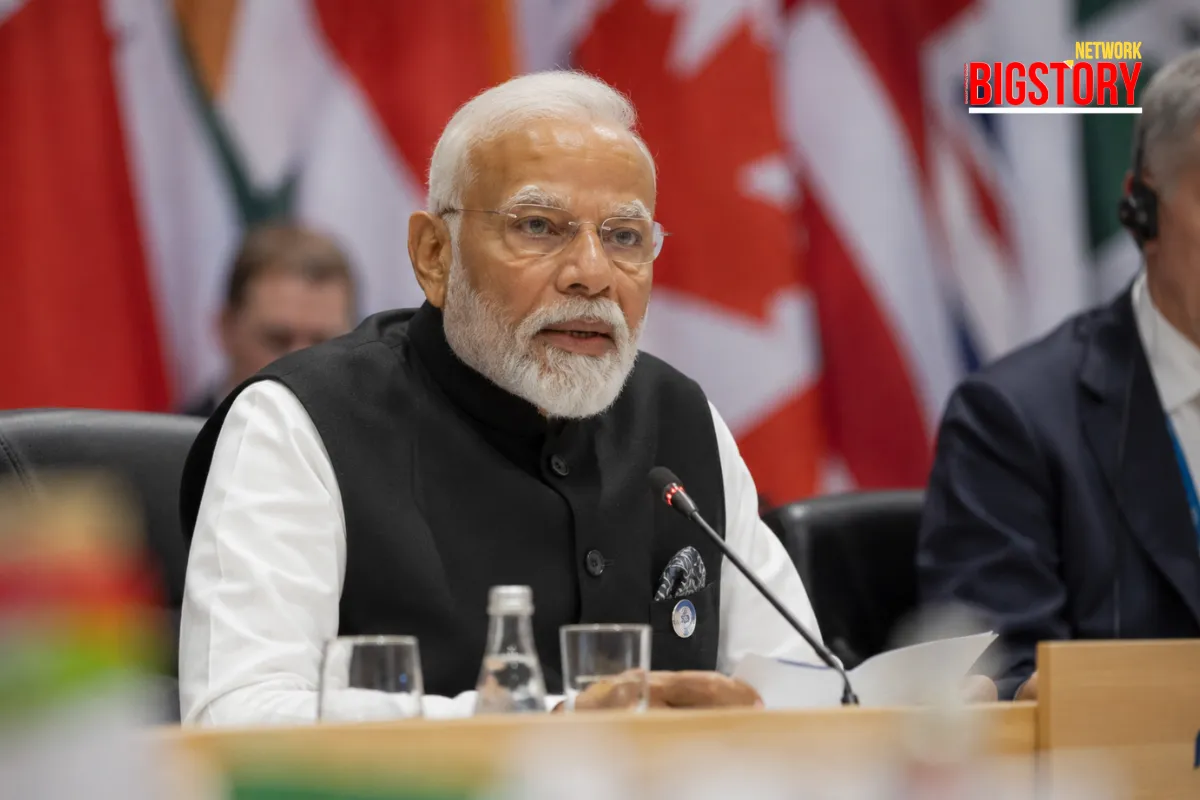
This final "legal scrubbing" phase follows the high-profile February 2 phone call between Prime Minister Narendra Modi and President Donald Trump. While the markets have already priced in the de-escalation, Goyal clarified that the full legal agreement is slated for a mid-March signing. This "phased" approach allows New Delhi to secure immediate relief for its manufacturing hubs while finalizing the complex logistics of a $500 billion energy and technology pivot.
Piyush Goyal (Commerce Minister): The Chief Negotiator. He is framing the deal as a "tranche-based" victory, ensuring that labor-intensive sectors like textiles and leather get immediate access while larger structural commitments are refined.
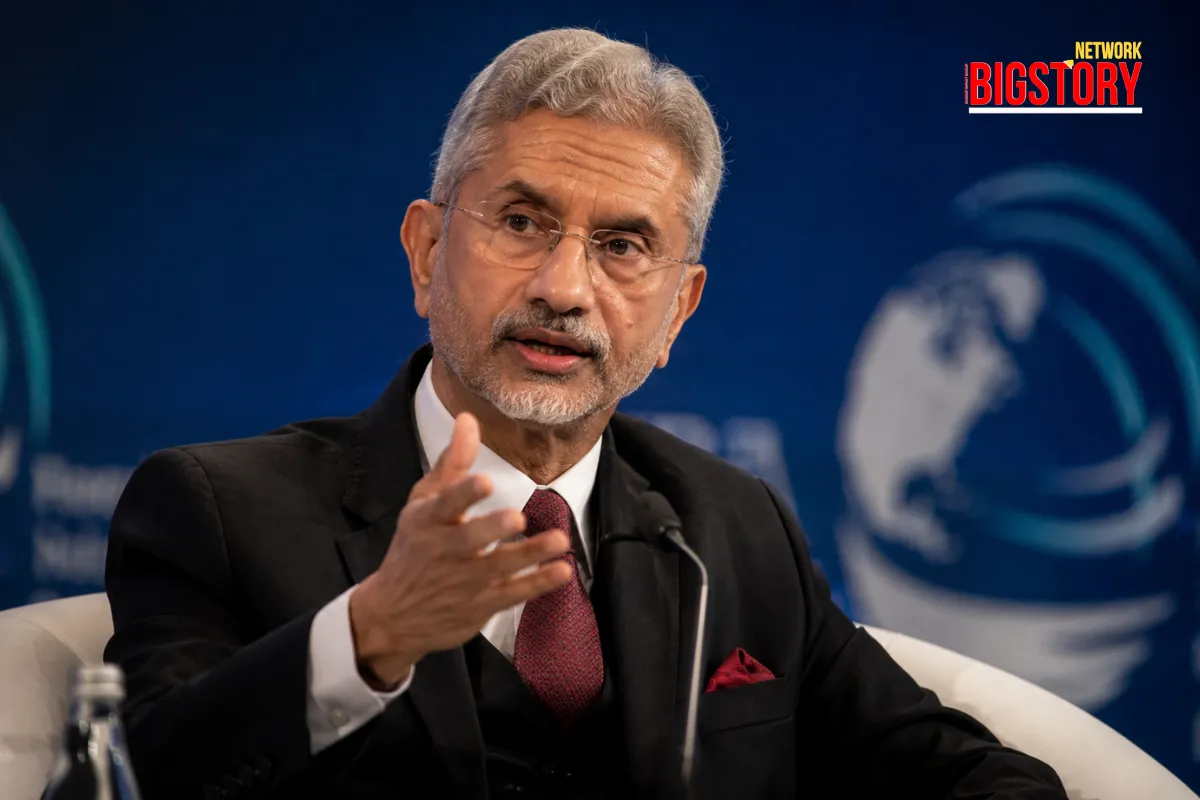
S. Jaishankar (External Affairs Minister): The Diplomat. Fresh from meetings with U.S. Secretary of State Marco Rubio, Jaishankar is bridging the gap between trade and "critical mineral" security, ensuring the deal includes access to restricted technology.
Maria Zakharova (Russian FM Spokesperson): The Spoiler. Moscow has issued a terse reminder that "trade in resources is beneficial for both sides," signaling that any sudden halt in oil flow will be met with a cold diplomatic response from the Kremlin.
Mainstream reports are focused on the March signing, but the real story is the Joint Statement Trigger. By releasing a joint statement in just 4–5 days, the U.S. can issue an "Executive Order" to cut tariffs before the treaty is even fully drafted.
This allows India to reap the benefits of the 18% rate during the critical Q1 shipping window without waiting for the slow-moving legal machinery of a formal Bilateral Trade Agreement (BTA). It is a "Trust-First, Legal-Later" model—a rare diplomatic maneuver designed to provide an immediate dopamine hit to the Indian economy while keeping the $500 billion purchase pledge as a "compliance leash" for the formal March signing.
If the price of immediate economic relief is a $500 billion commitment to one superpower, has India traded its status as a "global swing state" for a permanent seat in the American supply chain?
When will the India-US trade deal be officially signed? Minister Piyush Goyal stated that a joint statement will be issued by February 10, with the final legal agreement signed in mid-March 2026.
What happens after the joint statement is signed next week? The U.S. is expected to issue an Executive Order to immediately reduce tariffs on Indian goods to 18%, providing relief ahead of the formal treaty.
Did India agree to buy $500 billion from the US? Yes. The deal involves a commitment to buy $500 billion worth of U.S. energy, technology, agricultural products, and aircraft over the next five years.
How does the 18% tariff impact Indian exports? It significantly boosts the competitiveness of "Made in India" products, placing India at a lower tariff rate than China (37%) and Vietnam (20%).
What is the 'first tranche' of the trade deal? The first tranche focuses on immediate tariff de-escalation via executive action, while the second tranche involves the formal treaty signing in March.
News Coverage
Context & Analysis
 Exclusive Content



Sign up for the Daily newsletter to get your biggest stories, handpicked for you each day.

 Trending Now! in last 24hrs