Pakistan’s export sector faces panic as India secures 18% US tariffs. Inside the 'Double Pincer' effect of the India-US and India-EU deals on Islamabad.
 Brajesh Mishra
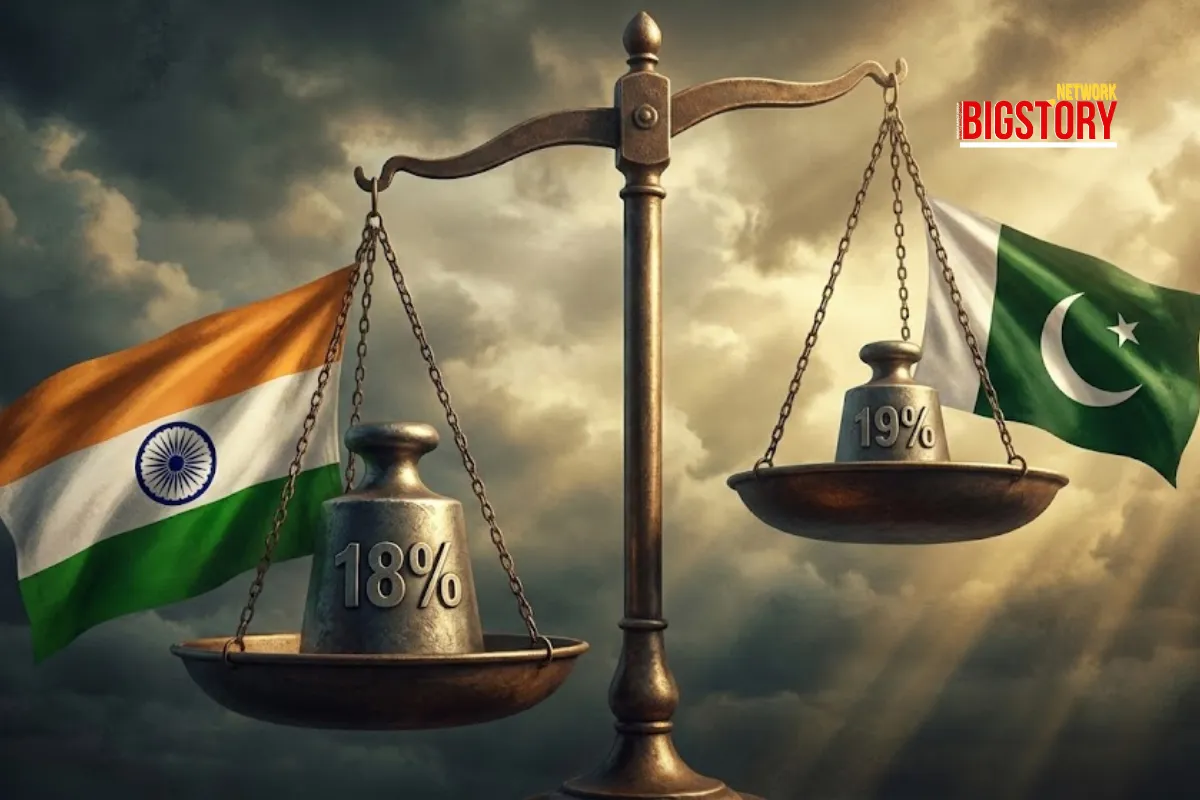
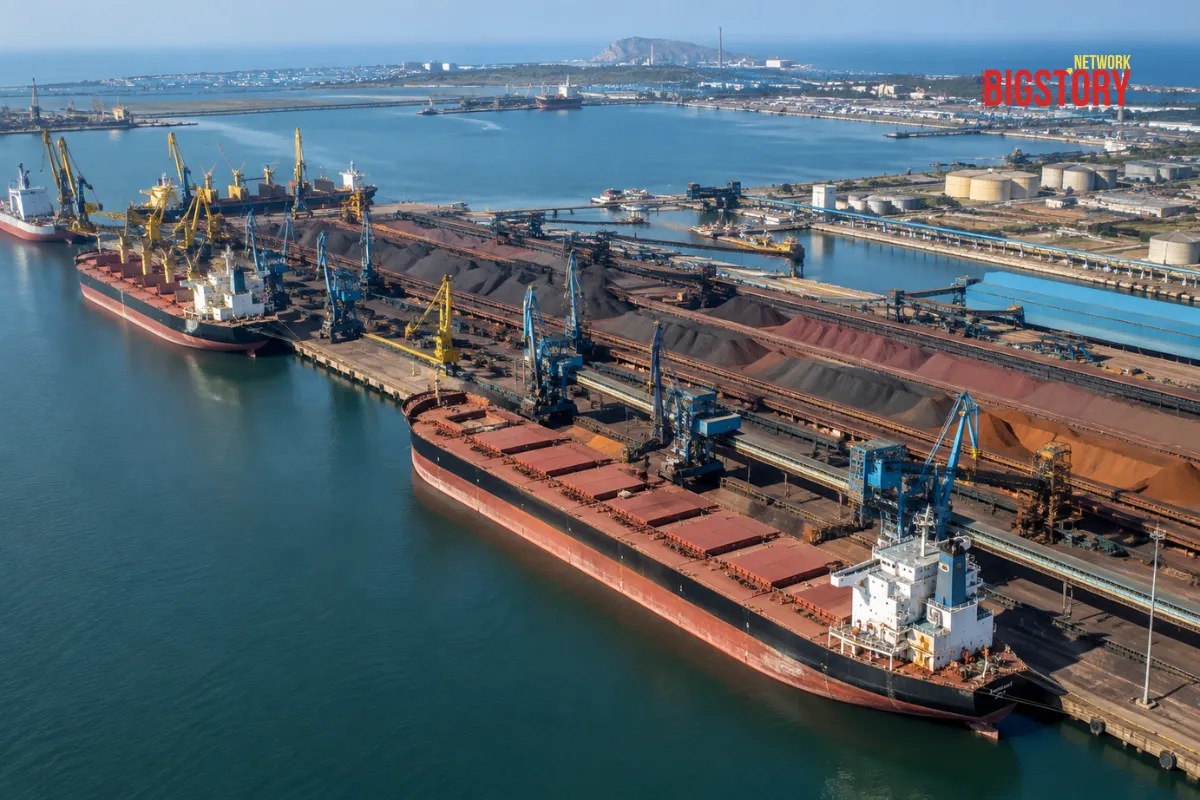
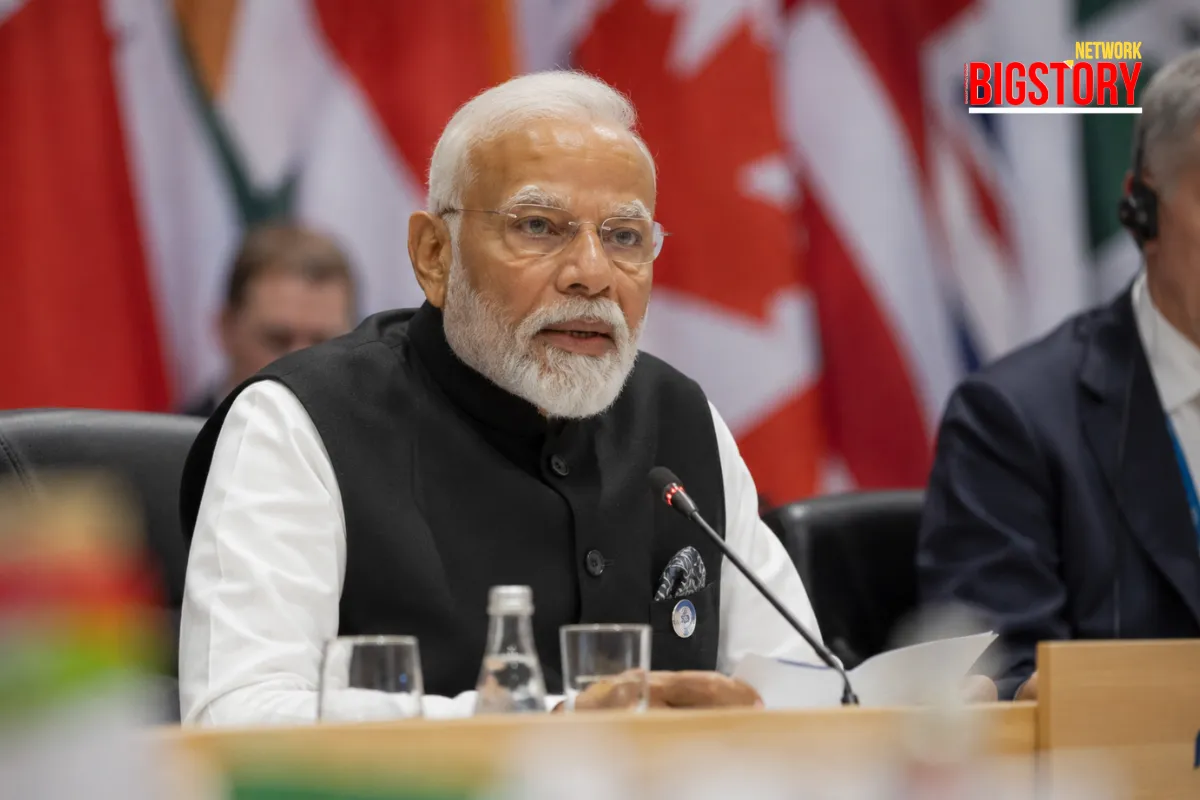
A wave of diplomatic humiliation and industrial panic has paralyzed Islamabad following the official confirmation that India has secured a preferred 18% tariff rate in its new trade pact with the United States. Despite Pakistan’s high-visibility outreach to the Trump administration—including the controversial nomination of Donald Trump for the 2026 Nobel Peace Prize—Pakistan remains tethered to a higher 19% tariff. The 1% gap, while seemingly small, has become a "scoreboard of failure" on Pakistani social media, highlighting a growing gulf in regional economic leverage.
The All Pakistan Textile Mills Association (APTMA) has issued an "existential threat" warning, noting that India now possesses a lethal dual advantage: near-zero duties in the EU (via the Jan 27 FTA) and superior terms in the US. With former Commerce Minister Gohar Ejaz warning that 10 million jobs and $9 billion in exports are "at risk," the narrative in Islamabad has shifted from diplomatic optimism to a bitter reckoning over the country's "Mover, Shaker, and Beggars" status.
Gohar Ejaz (Former Commerce Minister, Pakistan): The Whistleblower. He has declared the "zero-tariff honeymoon" over, bluntly stating that Pakistan’s industrial scale cannot survive the pincer movement of India’s new Western trade access.
Mumtaz Zahra Baloch (Foreign Office Spokesperson): The Diplomat. While her office officially reviews the "implications," she faces an uphill battle explaining why "obedient" diplomacy failed to yield the same results as India’s "strategic insouciance."
General Asim Munir (Pakistan Army Chief): The Power Broker. His recent White House lunch—secured after his endorsement of Trump’s Nobel nomination—is now being mocked by opposition leaders as a "lunch without a deal."
The mainstream media is treating the 18% vs 19% US tariff gap as a minor trade friction, but the real story is the Death of the GSP+ Monopoly. For ten years, Pakistan’s economy was on life support provided by Europe’s GSP+ scheme, which gave it a 10% price advantage over India.
Within a single week, that entire strategic cushion has evaporated. By securing 0% in the EU and 18% in the US, India has closed the "price gap" while maintaining a "tech gap." Pakistan didn't just lose a better tariff rate; it lost the economic sanctuary that allowed it to delay industrial reform. This isn't just about Trump’s favor—it’s about the total collapse of Pakistan’s preferential trade architecture.
If flattery and Nobel nominations cannot buy a 1% tariff discount, has Pakistan finally learned that in the 2026 trade era, market size is the only currency that Washington truly respects?
Why is Pakistan angry about the India-US trade deal? Pakistan is facing domestic backlash because India secured a lower 18% tariff in the US, while Pakistan is stuck at 19%, despite Islamabad’s extensive efforts to court the Trump administration.
Did Pakistan nominate Donald Trump for a Nobel Peace Prize? Yes. In June 2025, Pakistani officials and military leadership backed a 2026 Nobel nomination for Trump, citing his "pivotal leadership" in regional de-escalation—a move critics now call a failed attempt at "trade flattery."
How does the India-EU FTA affect Pakistan? The India-EU deal gives Indian textiles duty-free access, removing the primary competitive advantage Pakistan held under the GSP+ scheme. This creates a "pincer movement" against Pakistani exports.
Will the Pakistan textile industry collapse due to the India-US deal? Industry leaders warn of an "existential threat," with $9 billion in exports and 10 million jobs at risk as orders shift to more competitive Indian mills.
What is the 'Movers, Shakers, and Beggars' headline about? It is a viral social media term used in Pakistan to mock the government’s perceived failed strategy of seeking "begged" concessions while India "shook" the global market through economic leverage.
News Coverage
Context & Analysis
 Exclusive Content
Sign up for the Daily newsletter to get your biggest stories, handpicked for you each day.

 Trending Now! in last 24hrs