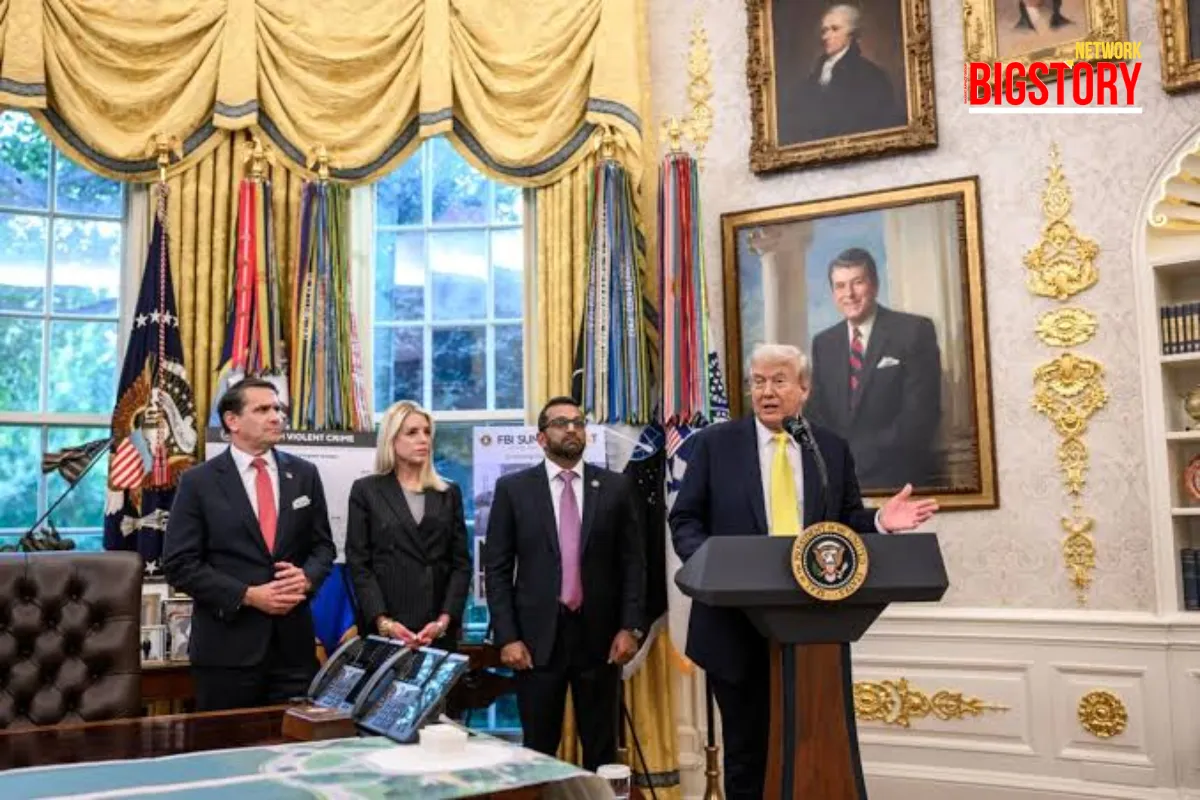
Iran and the IAEA meet in Geneva to find 440kg of missing uranium. Failure could trigger $91 oil and a new U.S. conflict. Here’s the "insider" briefing.
 Sseema Giill

While you were scrolling this morning, the fate of global energy prices was being decided in a closed door room in Geneva. Iranian Foreign Minister Abbas Araghchi and IAEA Director-General Rafael Grossi just wrapped up a three-hour "technical discussion" that will likely determine if the world sees peace or "War 2.0" by next week.
This matters because if Araghchi cannot prove that the 440kg of missing uranium was destroyed—and not hidden in a bunker—negotiations with the U.S. will collapse tomorrow. That failure triggers immediate sanctions enforcement, which BloombergNEF projects will send Brent crude skyrocketing to $91 per barrel by Q4, hitting your gas pump and grocery bill immediately.
The mainstream headlines are calling this a "Diplomatic Reset." They are missing the real story. This isn't just a handshake; it’s a high-stakes shell game.
Intelligence insiders suggest the June 2025 airstrikes didn't just destroy infrastructure—they created a convenient "blind spot." Iran is now arguing the missing uranium was vaporized in the attack. The IAEA fears it was moved to "unattributable" underground sites before the bombs fell.
Furthermore, watch the AI War. With human inspectors largely locked out since November, Grossi is reportedly negotiating for "algorithm access"—allowing IAEA AI models to analyze raw satellite data from Iran's sites. If Araghchi says no to the AI, the deal is dead.
The U.S. is demanding total verification, but Iran says its "dignity" is non-negotiable. Do you think the U.S. should lift sanctions to get inspectors back on the ground, or keep squeezing until Iran breaks? Tell us in the comments.
Sources: The Times of Israel, Iran International, BloombergNEF, IAEA Official Statements.
 Exclusive Content






Sign up for the Daily newsletter to get your biggest stories, handpicked for you each day.


 Trending Now! in last 24hrs