BIGSTORY Network


Bharat One Feb. 12, 2026, 3:35 p.m.

Why Trump’s "Champion of Coal" Speech is Sending Shockwaves Through India’s Energy Market

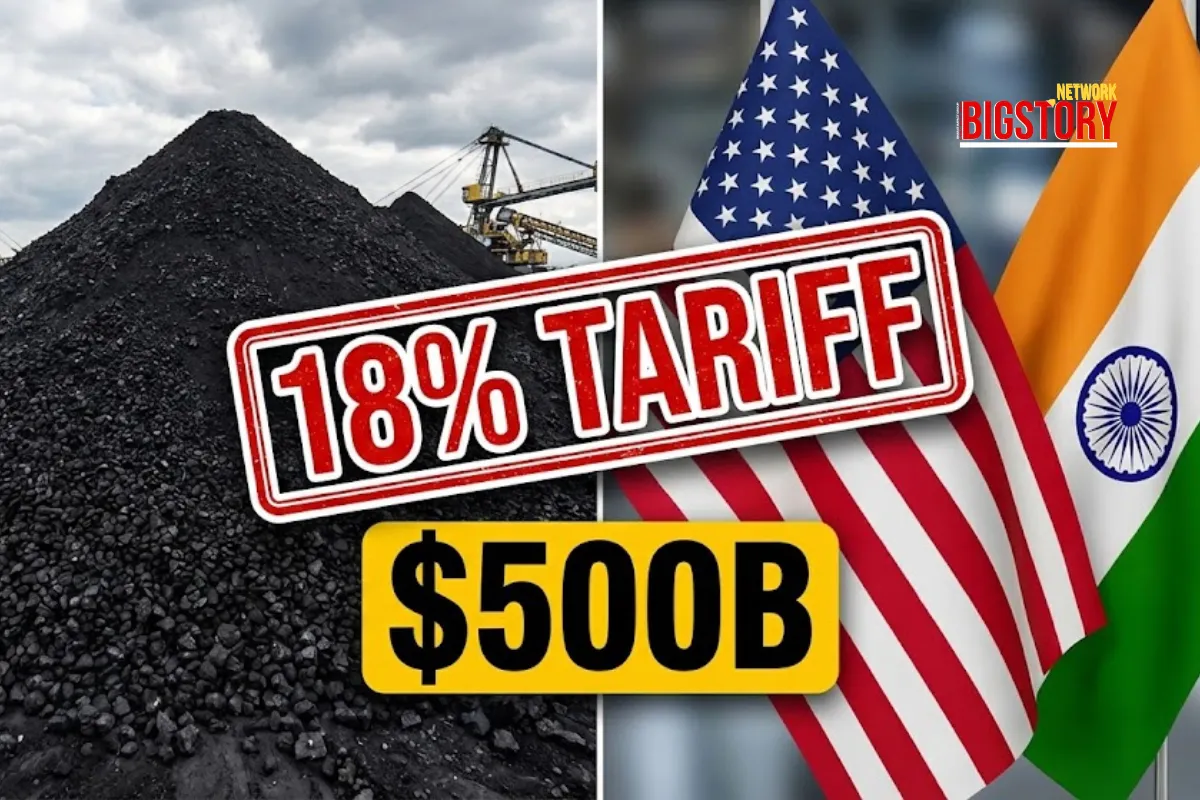
President Trump hails the India-US trade deal as "historic," highlighting a massive $500 billion purchase commitment and a dramatic surge in US coal and energy exports to India.

by Author Sseema Giill
Hero Image

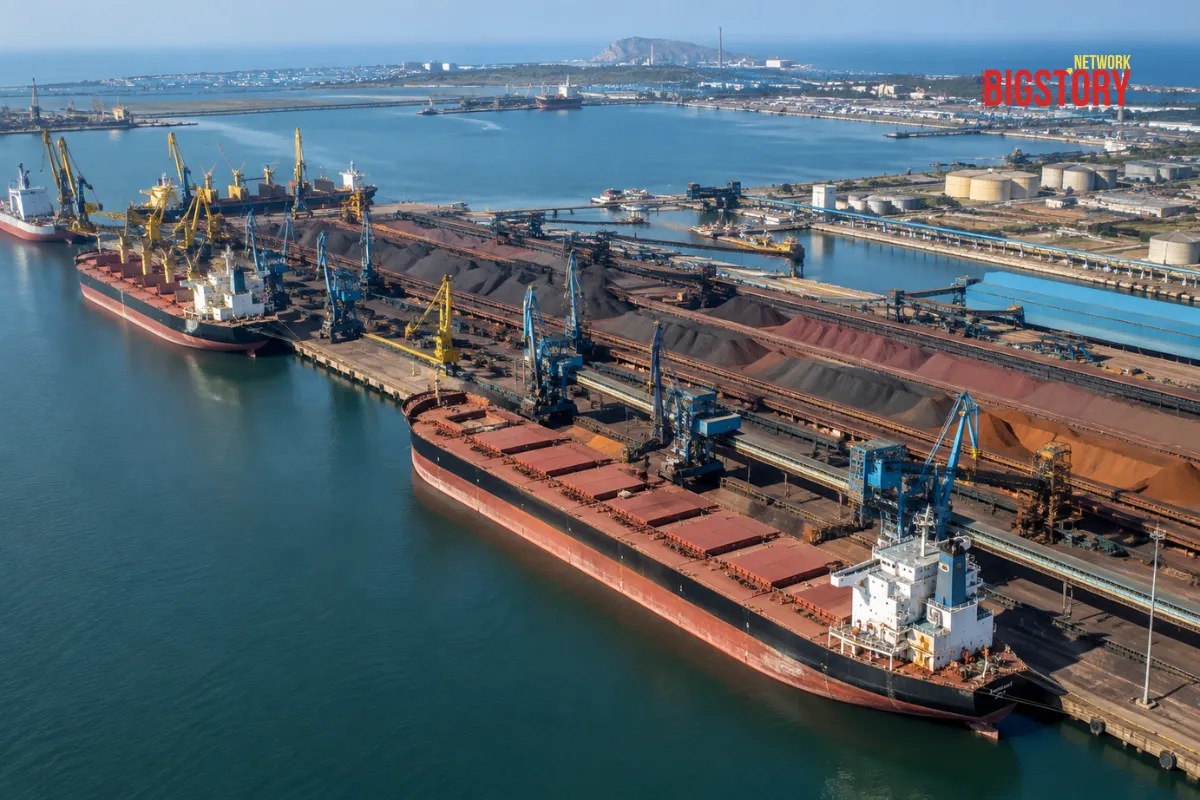
The trade war between the world’s two largest democracies has officially entered a "Goldilocks" phase—but it comes with a massive bill. Speaking at a "Champion of Coal" event in Washington on Wednesday, President Donald Trump described the recently finalized deal with India as a "milestone for American energy."

This matters because the deal isn't just about almonds and textiles; it’s a geopolitical reset. By committing to buy $500 billion worth of US energy, aircraft, and tech, India has secured a rollback of Trump’s 50% "punitive" tariffs, potentially at the cost of its energy independence from Russia.

The BIGSTORY Angle (The Reframe)

While Indian exporters are celebrating the drop to 18% tariffs, the real BIGSTORY is the "Carbon Swap." Trump’s focus on coal is no accident. India is the largest buyer of US coal globally, and this deal effectively "locks in" US coking coal for India's massive steel expansion goals (aiming for 300 million tonnes by 2030).

The reframe is this: India is likely using US coal and LNG to replace the Russian Oil that triggered Trump's 25% punitive tariff in August 2025. While India officially maintains its policy of "diversification," the US Fact Sheet explicitly links the tariff removal to India’s "commitment to stop purchasing Russian oil." We aren't just buying energy; we are buying a diplomatic truce.

The Context (Rapid Fire)

  • The Trigger: The February 6 framework announcement and Trump’s Feb 11 speech highlighting US energy dominance.
  • The Backstory: In 2025, the Trump administration slapped India with 50% tariffs, alleging India was fueling Russia’s "war machine" via oil purchases.
  • The Escalation: In return for the 18% rate, India has reportedly phased out its Equalisation Levy (Digital Services Tax) on US tech firms and agreed to deeper collaboration on NVIDIA GPUs and data center hardware.

The Chessboard (Key Players)

  • Donald Trump: The Enforcer. He secured a massive market for US coal, Boeing aircraft, and American farmers (walnuts/apples).
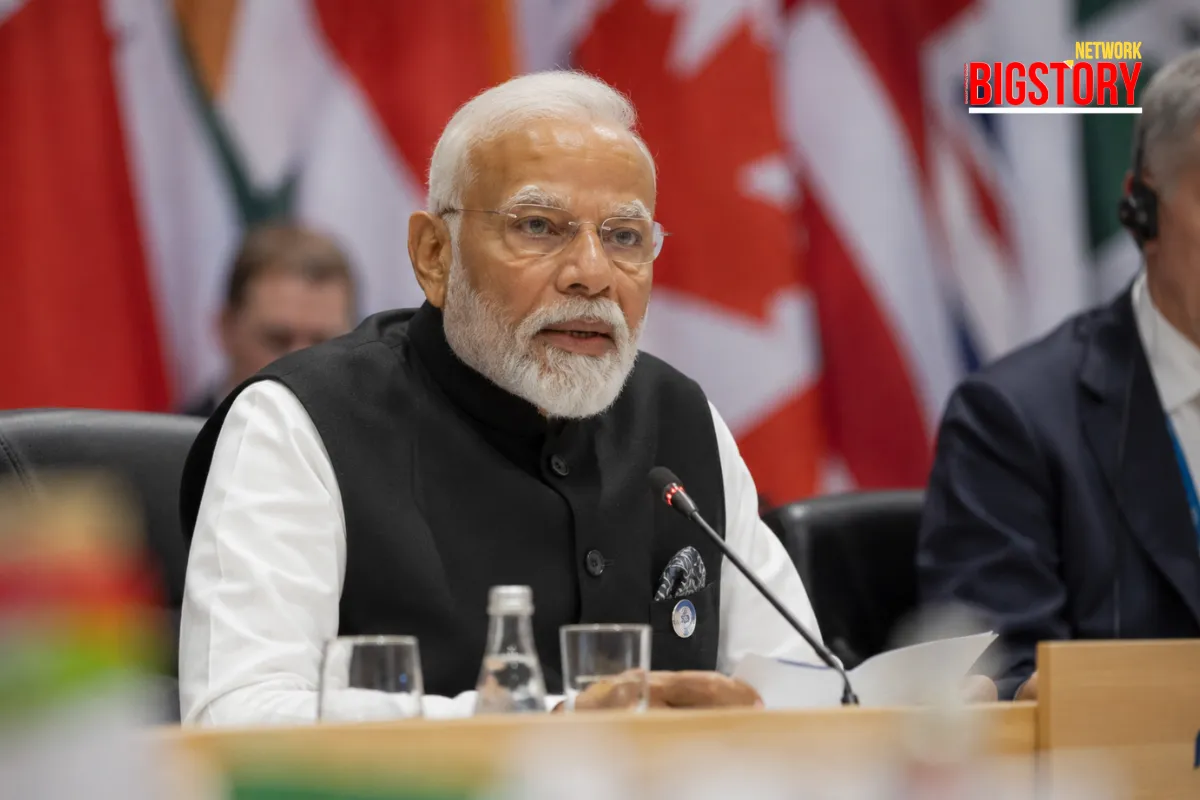
  • Narendra Modi: The Pragmatist. He protected India's sensitive dairy sector while restoring the competitiveness of labor-intensive exports like garments and leather.
  • Piyush Goyal (Commerce Minister): Termed the $500 billion target "conservative," noting that India's growing economy needs over $100 billion in aviation alone.

The Implications (Your Wallet & World)

  • Short Term: Consumer Relief. Expect to see cheaper American walnuts, almonds, and Washington apples in Indian markets by April 2026.
  • Long Term: Industrial Inflation. Replacing discounted Russian Ural crude with more expensive US shale oil or coal could increase fuel and steel costs, potentially feeding into general inflation. However, the deal also ensures a steady flow of US-made GPUs, critical for India’s AI and data center ambitions.

The Steel Man (The Counter-Argument)

The strongest argument for the deal is Market Competitiveness. Commerce Minister Piyush Goyal argues that the 18% rate gives Indian goods a massive advantage over China (facing 35%+) and regional peers. Proponents argue that the $500 billion purchase isn't "forced"—it's a natural requirement for a country aiming for a $30 trillion economy. India needs the planes, the tech, and the coal; this deal simply ensures we get them while keeping our export markets open.

The Closing Question

Is India's $500 billion commitment to US energy a strategic masterstroke for market access, or has it compromised our "Strategic Autonomy" in the global oil market? Share your take in the comments.

FAQs

  • Q: What is the new US tariff rate for Indian exports in 2026?
  • A: Under the historic interim deal hailed by President Trump, US duties on Indian goods will be reduced to 18% from previous highs of 50%.
  • Q: Did India agree to stop buying Russian oil?
  • A: While President Trump claimed India "committed" to stopping Russian oil imports to remove punitive tariffs, Indian officials state they are "diversifying" energy sources based on national interest.
  • Q: What are the $500 billion products India will buy from the US?
  • A: According to the joint statement, India intends to purchase energy products, coking coal, aircraft (Boeing), precious metals, and technology products (including GPUs) over the next five years.

Sources: The Times of India, The Hindu, LiveMint

Sseema Giill
Sseema Giill Founder & CEO

Sseema Giill is an inspiring media professional, CEO of Screenage Media Pvt Ltd, and founder of the NGO AGE (Association for Gender Equality). She is also the Founder CEO and Chief Editor at BIGSTORY NETWORK. Giill champions women's empowerment and gender equality, particularly in rural India, and was honored with the Champions of Change Award in 2023.

BIGSTORY Trending News! Trending Now! in last 24hrs

Why Trump’s "Champion of Coal" Speech is Sending Shockwaves Through India’s Energy Market
Bharat One
Why Trump’s "Champion of Coal" Speech is Sending Shockwaves Through India’s Energy Market
Why the 114 Rafale Deal is India's "Sovereignty Insurance" Against the US and China
Bharat One
Why the 114 Rafale Deal is India's "Sovereignty Insurance" Against the US and China
"De-Dollarizing" Tourism: The Hidden Macro-Play Behind the India-Malaysia UPI Deal
Bharat One
"De-Dollarizing" Tourism: The Hidden Macro-Play Behind the India-Malaysia UPI Deal
Failed Flattery: How the Trump-Modi Pact Sidelined Islamabad
Bharat One
Failed Flattery: How the Trump-Modi Pact Sidelined Islamabad