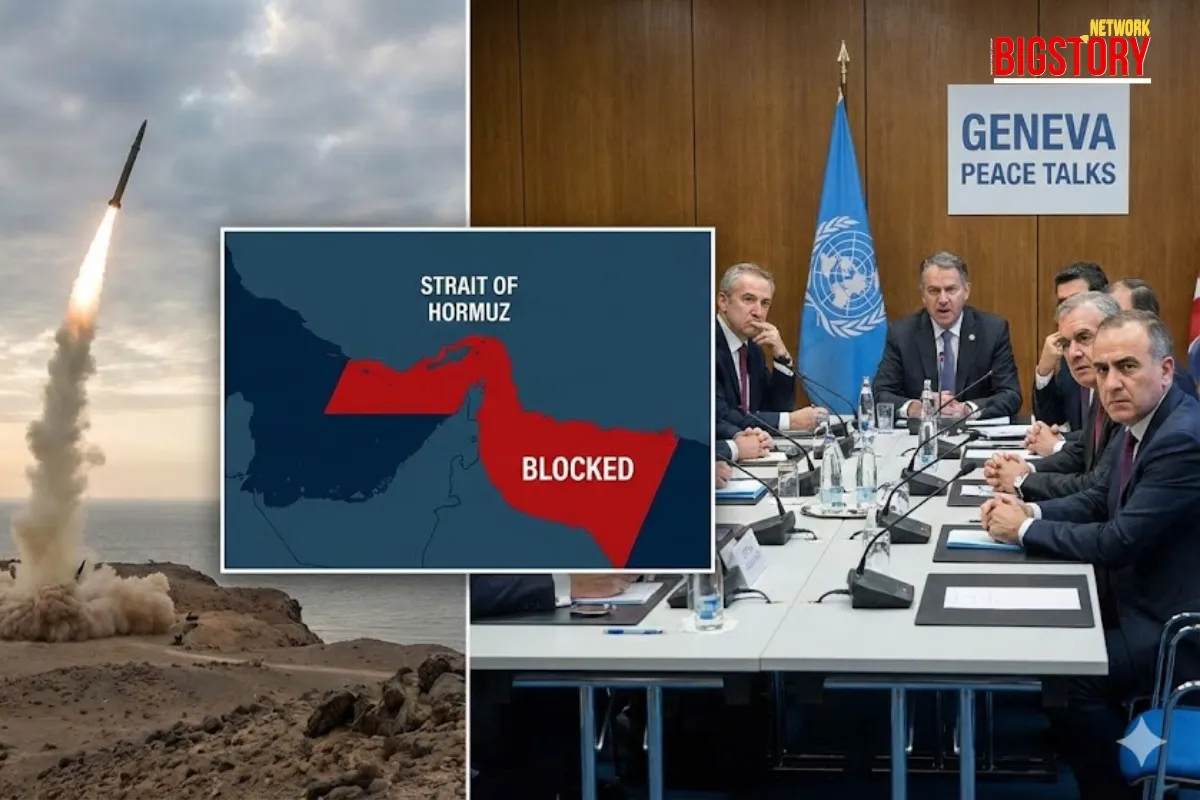
Diplomacy usually happens in quiet rooms. Today, Iran decided to conduct its diplomacy with ballistic missiles. At the exact moment Iranian Foreign Minister Abbas Araghchi sat down in Geneva for high-stakes indirect talks with the U.S., the Revolutionary Guard Corps (IRGC) initiated massive live-fire naval drills in the Strait of Hormuz.
This matters because the "Strait of Hormuz" isn't just water; it is the jugular vein of the global economy. By briefly closing sections of the strait for "maritime safety" today, Tehran wasn't just testing weapons; it was testing the world's panic threshold. With President Trump’s "Maximum Pressure 2.0" fleet parked nearby, this move embeds a $3–$4 "war premium" into every barrel of oil, directly threatening global inflation if a single missile goes astray.
The "BigStory" Angle (The AI "Swarm" Threat)
The mainstream media is reporting this as standard "saber-rattling." They are missing the "Smart Control" Upgrade.
These aren't your grandfather's naval drills. Intelligence sources indicate the "Smart Control" branding refers to a new doctrine of AI-integrated Asymmetric Warfare. The IRGC is testing autonomous "suicide" boats and drone swarms designed to overwhelm the advanced radar of U.S. carriers like the USS Gerald R. Ford.
Furthermore, look at the Friends List. While the U.S. views this as a solo act of defiance, Russia and China have reportedly dispatched ships for a joint "Maritime Security Belt" drill later this month. Iran isn't just acting out; it is anchoring its control of the Gulf in a new anti-Western security bloc.
The Context (Rapid Fire)
- The Trigger: The deployment of the USS Abraham Lincoln and USS Gerald R. Ford to the region in Jan 2026 pushed Tehran to prove its "Fortress Island" strategy is operational.
- The Backstory: After the 12-day war in June 2025 destroyed key nuclear sites, Iran has shifted focus to "economic deterrence"—threatening to take the global energy market down with it.
- The Escalation: Maj. Gen. Mohammad Pakpour declared Abu Musa Island a "fortress" today, capable of destroying enemy ships within a 1,000 km radius.
Key Players (The Chessboard)
- Maj. Gen. Mohammad Pakpour (The Hawk): The IRGC commander supervising the drills. His message is for the Pentagon: "We can hit you before you hit us."
- Abbas Araghchi (The Dove): In Geneva, his job is to use the military noise as leverage to get sanctions relief, arguing that a deal is the only way to stop the chaos.
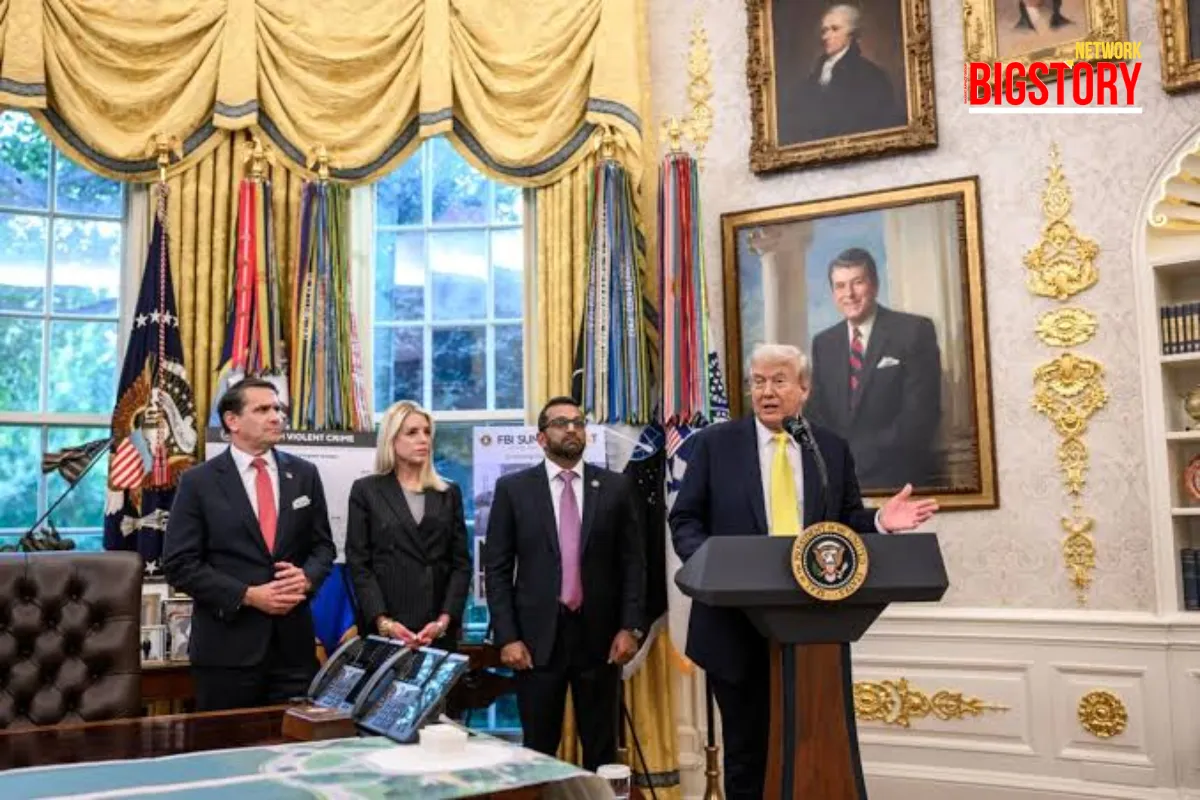
- Donald Trump (The Pressure Cooker): His "coercive diplomacy" relies on the threat of force. Iran is betting that even Trump doesn't want a gas price spike in an election year.
The Implications (Your Wallet & World)
- Short Term (Tonight): Watch Brent Crude ($LCO1!). If it breaches $72/bbl, the market is pricing in a potential blockade. Any "unsafe interaction" between IRGC speedboats and the U.S. 5th Fleet could trigger a flash crash in equities.
- Long Term (2026): If these "temporary closures" become a monthly habit, shipping insurance rates for the Gulf will skyrocket, permanently raising the cost of everything from petrol to plastics.
The Closing Question
Iran is firing missiles with one hand and shaking hands in Geneva with the other. Do you think the U.S. should negotiate under fire, or walk away until the drills stop? Tell us in the comments.
FAQs
- Q: Did Iran close the Strait of Hormuz today?
- A: Iran announced a "temporary closure" of certain sections for "maritime safety" during live-fire drills on Feb 16-17, but a full permanent blockade has not been enforced.
- Q: What are the "Smart Control" military drills?
- A: They are IRGC naval exercises testing new AI-integrated drones, autonomous boats, and long-range missiles designed to control access to the Persian Gulf.
- Q: How do these drills affect oil prices?
- A: The tension adds a "geopolitical risk premium" of $3-$4 per barrel. If the strait is perceived as unsafe, oil prices could spike significantly.
- Q: Why is the U.S. Navy in the Middle East right now?
- A: President Trump deployed carrier strike groups (like the USS Gerald R. Ford) as part of "Maximum Pressure 2.0" to deter Iran following the 2025 conflict.
- Q: What is the range of Iran's new island-based missiles?
- A: According to IRGC General Pakpour, the new missiles on Abu Musa Island have a strike radius of 1,000 km, covering most of the Persian Gulf.
Sources: Reuters, Times of Israel, Al Arabiya, IEA, CTV News.