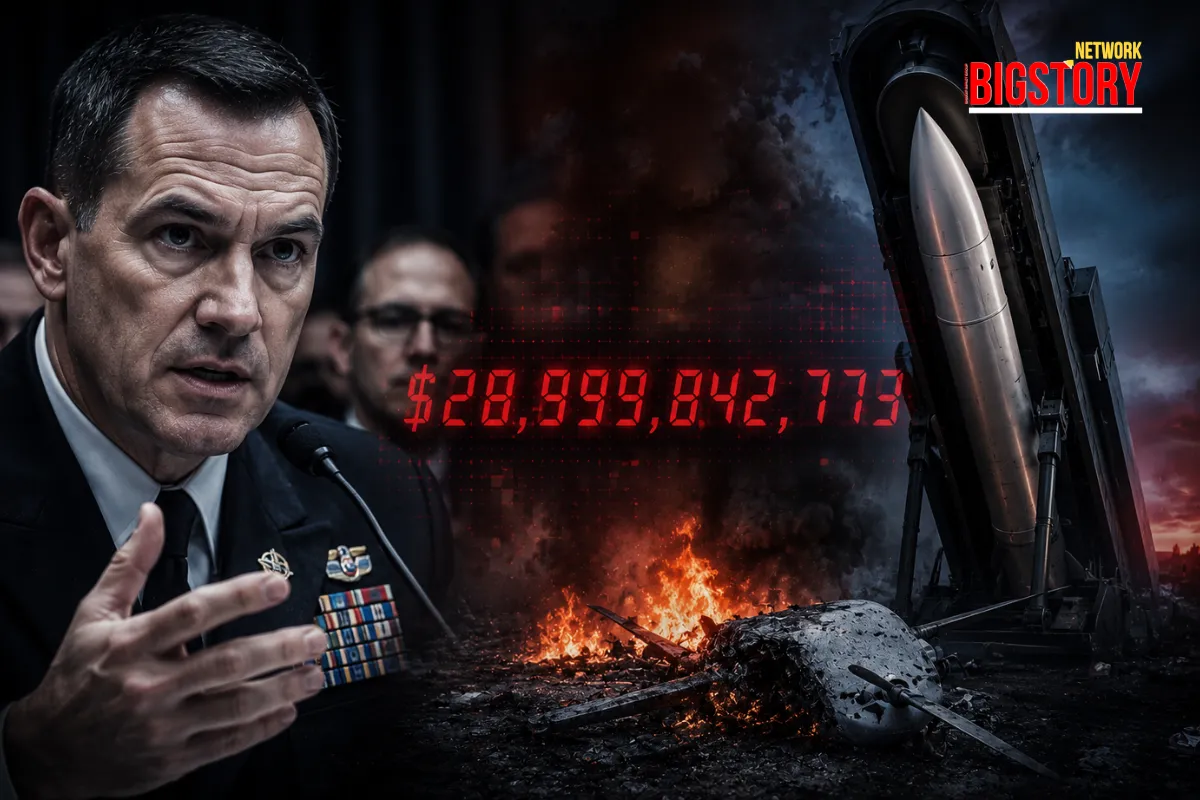
ISRO's PSLV-C62 fails, losing the military satellite EOS-N1. Second consecutive failure grounds the fleet. Analysis of the strategic and commercial impact.
 Brajesh Mishra
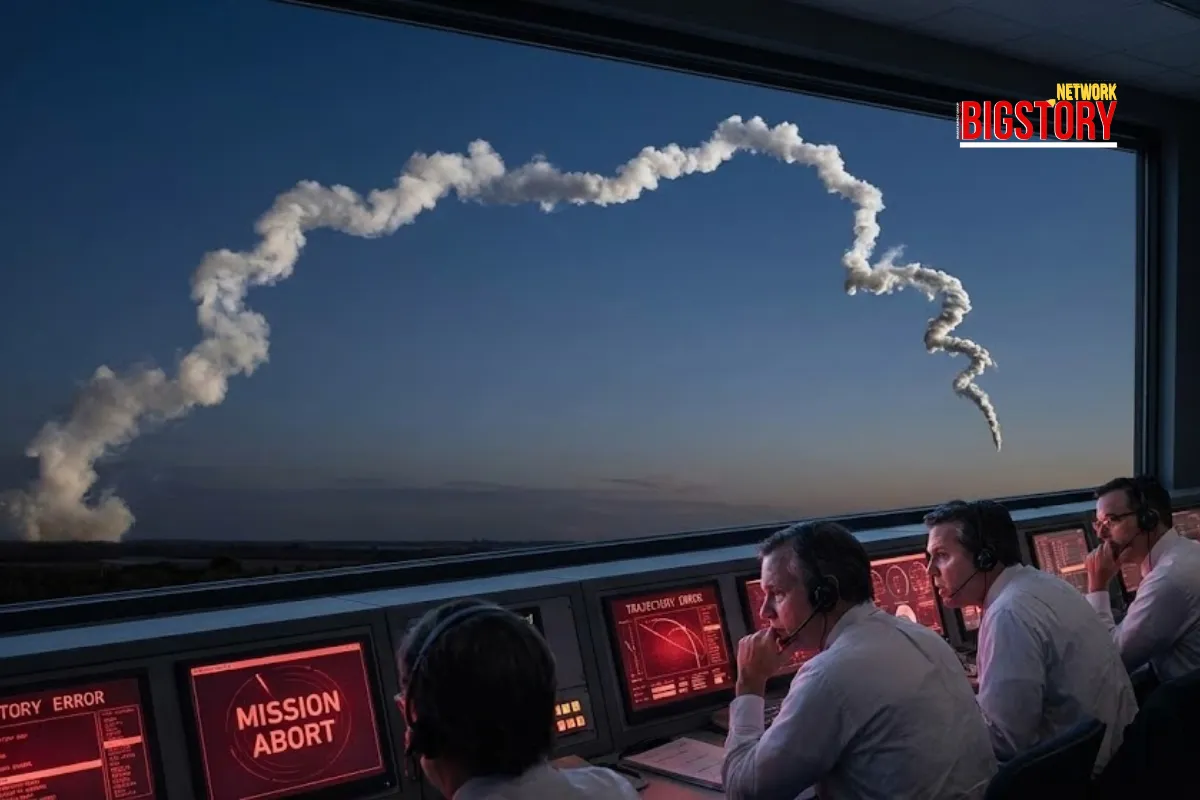
The "Workhorse of India" has stumbled again, and this time, the cost is strategic. On January 12, 2026, the PSLV-C62 mission—billed as ISRO's triumphant return to flight—ended in disaster when the rocket deviated from its trajectory and burned up in the atmosphere. The failure occurred during the third stage (PS3), destroying the primary payload, EOS-N1 (Anvesha), a high-value hyperspectral imaging satellite designed for border surveillance. Coming just months after the nearly identical failure of PSLV-C61 in May 2025, this marks the first time in three decades that the PSLV has suffered back-to-back crashes, effectively grounding India's launch fleet indefinitely.
The crisis began on May 18, 2025, when the PSLV-C61 mission failed to place the EOS-09 satellite into orbit due to a "pressure drop" in the third stage. A Failure Analysis Committee (FAC) spent months identifying the flaw, reportedly tracing it to a flex nozzle issue. ISRO implemented "rigorous fixes" and declared the C62 mission ready for launch. However, at approximately 10:28 AM today, just minutes after a textbook liftoff from Sriharikota, Mission Control fell silent. ISRO Chairman V. Narayanan later confirmed that a "disturbance in vehicle roll rates" was observed at the end of the third-stage burn, leading to a path deviation. The repetition of a third-stage failure suggests that the "fixes" were either insufficient or that a deeper, systemic manufacturing defect has infected the supply chain.
While mainstream media focuses on the "Technical Glitch," the deeper story is the "Strategic Blindness." India has lost two major earth observation assets (EOS-09 and EOS-N1) in less than a year. These satellites were meant to replace aging assets monitoring the Chinese border. With the PSLV grounded, India has no immediate way to launch replacements. We are effectively flying blind in critical sectors at a time of heightened regional tension. This isn't just a launch failure; it is a degradation of national security infrastructure.
Furthermore, the "Privatization Quality Trap" demands scrutiny. The PSLV's production has been increasingly outsourced to an industrial consortium (HAL-L&T) to boost cadence. Two failures in the same solid motor stage (PS3) raise uncomfortable questions: Has the shift from ISRO's internal quality control to mass production by private vendors introduced fatal flaws in the casting of solid motors? The "Workhorse" didn't just get tired; it might have been built wrong.
The immediate casualty is the Gaganyaan timeline. The human spaceflight program relies on the LVM3, but the organizational paralysis and safety reviews triggered by the PSLV failure will inevitably delay all launch clearances. Commercially, the reputation damage is severe. The PSLV was sold to the world as the "reliable, cheap option." If it cannot fly, the global small-satellite market will fully pivot to Elon Musk, leaving India's space startups without a domestic ride to orbit.
If India’s "reliable" rocket fails twice in a row, can we trust the systems meant to carry Indian astronauts next year?
Why did the PSLV-C62 mission fail on Jan 12, 2026? The mission failed due to a technical anomaly in the rocket's third stage (PS3). ISRO Chairman V. Narayanan confirmed that a disturbance in vehicle roll rates occurred near the end of the third-stage burn, causing the rocket to deviate from its intended flight path and preventing orbit injection.
What satellites were lost in the PSLV-C62 crash? The crash resulted in the loss of 16 payloads. The primary loss was the EOS-N1 (Anvesha), a hyperspectral imaging satellite built by DRDO for strategic surveillance. Additionally, 15 co-passenger satellites from Indian startups and international clients (including Spain's KID re-entry demonstrator) were lost.
Has the PSLV failed before recently? Yes. This is the second consecutive failure for the vehicle. The previous mission, PSLV-C61, failed in May 2025 due to a similar issue involving a sudden drop in chamber pressure in the third stage, leading to the loss of the EOS-09 satellite.
News Coverage
Context & Background
 Exclusive Content






Sign up for the Daily newsletter to get your biggest stories, handpicked for you each day.



 Trending Now! in last 24hrs