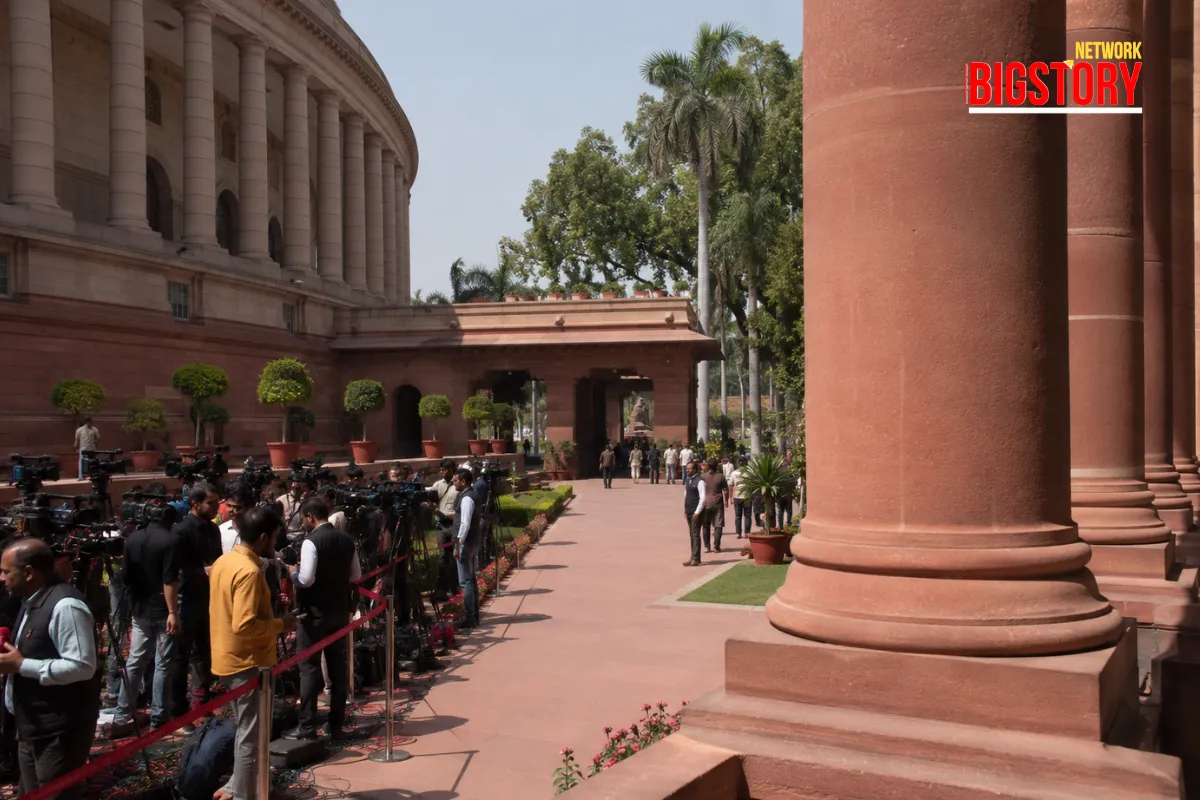
CM Siddaramaiah announces flats for Kogilu evictees after "bulldozer raj" backlash. Families face ₹2.5 lakh loans and strict eligibility checks.
 Brajesh Mishra
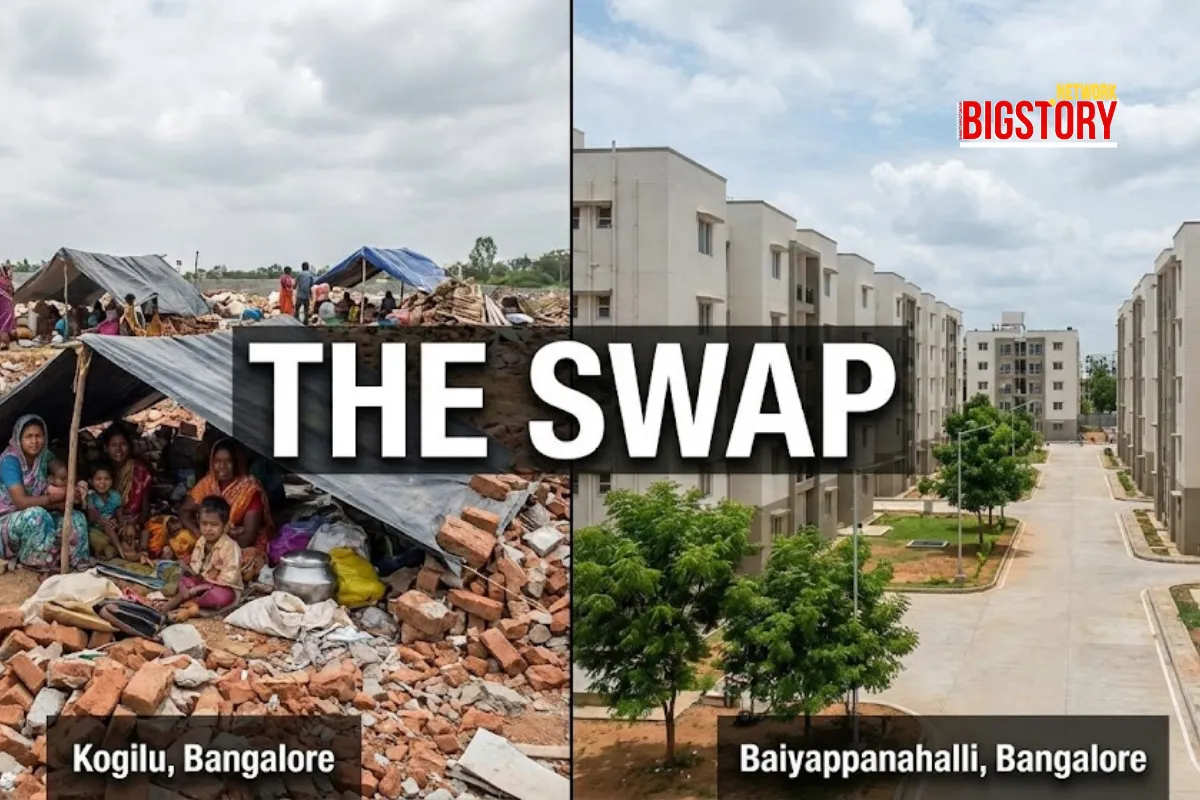
Ten days after a pre-dawn demolition drive left nearly 3,000 people homeless in North Bengaluru, the Karnataka government has executed a sharp political pivot. On December 29, 2025, Chief Minister Siddaramaiah announced a rehabilitation package for the families evicted from Kogilu Layout, promising them flats in a government complex 7km away in Baiyappanahalli. The move, explicitly framed as a "one-time humanitarian exception," comes after intense pressure from the All India Congress Committee (AICC) and a stinging rebuke from Kerala CM Pinarayi Vijayan, who labeled the Congress government’s actions as "bulldozer raj." However, the relief comes with strings attached: a potential ₹2.5 lakh debt burden and a rigorous "eligibility" screening that begins today.
The crisis began at 4:00 AM on December 20, when the Greater Bengaluru Authority (GBA) bulldozed over 167 structures (residents claim 400) on a 15-acre plot in Kogilu. The land, earmarked for a ₹100-crore solid waste management facility, was home to the Fakir/Durvish and Dalit communities for decades. For ten days, families refused temporary shelters, sleeping in the rubble to protest the lack of notice. The optics of a Congress government using bulldozers against minority communities sparked an internal party rift, forcing the High Command to intervene on December 28. The new plan offers 1,087 flats originally built for the poor, repurposed now to defuse a PR crisis.
While the headline is "Free Housing," the reality is a subsidized loan scheme.
While mainstream coverage celebrates the "Housing Solution," the deeper story is the "Eligibility Black Box." The government has ordered a 48-hour verification drive (ending Dec 31) to identify "genuine" beneficiaries. In bureaucratic terms, "genuine" often excludes those lacking specific documents or those deemed "migrants" (many residents are from Andhra Pradesh). With 400 families claiming displacement and a rushed verification process, hundreds risk being filtered out by the "eligibility" algorithm.
Furthermore, the "7km Dislocation" is an economic severance. Moving families from Kogilu to Baiyappanahalli cuts them off from the hyper-local networks—begging routes, domestic work, and informal trade—that sustained them. It also uproots 500 schoolchildren mid-year with no announced transport plan. The government is providing a roof, but it may have demolished the floor of their economic survival.
The Implications (Why This Changes Things)
This incident exposes the fragility of the Congress party's stance on urban encroachments. By reacting only after high-profile backlash, the government has signaled that rehabilitation is a political calculation, not a policy norm. The precedent is now set: eviction without rehabilitation invites a political storm, but rehabilitation via loans invites economic failure for the beneficiaries.
The Closing Question (Now, Think About This)
If the government considers the Kogilu land "uninhabitable" for living but perfect for a waste plant, and the Baiyappanahalli flats "affordable" despite a ₹2.5 lakh price tag, is this rehabilitation, or just a relocation of poverty?
What is the rehabilitation plan for Kogilu families? Following the demolition of homes in Kogilu, the Karnataka government has offered 1,087 flats in Baiyappanahalli, located about 7km away. The flats cost ₹11.20 lakh each, but with subsidies, eligible families will need to pay between ₹1.70 lakh and ₹2.5 lakh, facilitated through bank loans.
Why were families evicted from Kogilu on December 20, 2025? The Greater Bengaluru Authority demolished the homes to reclaim 15 acres of government "gomala" (grazing) land. The site had been earmarked since 2014 for a ₹100-crore solid waste management facility, which officials claimed was stalled due to the encroachments.
Who is eligible for the new government flats? Only families deemed "genuine" and "eligible"—defined as those who do not own any other house or property in Bengaluru—will receive flats. A verification process using Aadhaar and voter IDs is being conducted on December 30-31 to finalize the list before the January 1, 2026 allotment.
News Coverage
Context & Data
 Exclusive Content






Sign up for the Daily newsletter to get your biggest stories, handpicked for you each day.



 Trending Now! in last 24hrs