Bangladesh secures a 19 percent reciprocal tariff deal with the US, featuring a zero-tariff loophole for garments made from US cotton, finalized 48 hours before the 2026 elections.
 Sseema Giill
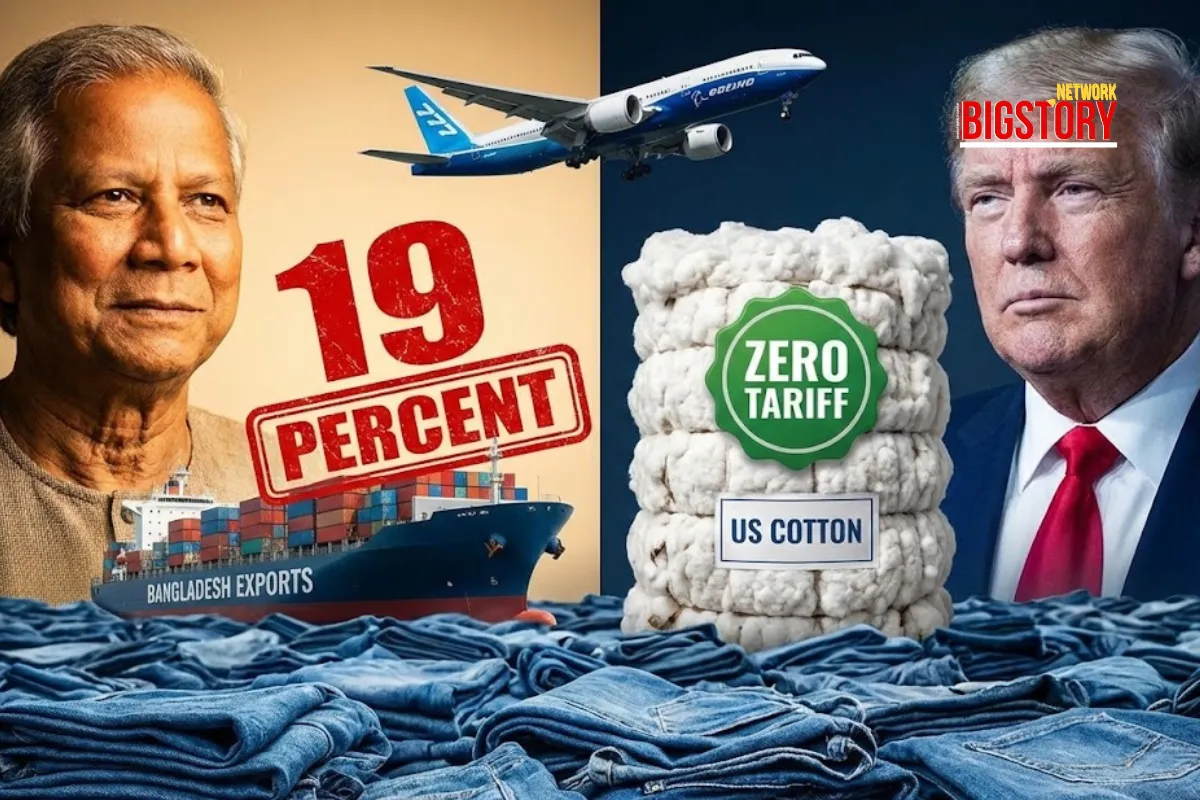
Just 48 hours before Bangladesh heads to a historic general election, Interim Chief Adviser Muhammad Yunus has delivered what his administration calls a "diplomatic masterstroke." As reported by The Hindu and LiveMint, the US has formally reduced its reciprocal tariff on Bangladeshi goods to 19 percent, down from a previous 20 percent and a punishing 37 percent proposed in early 2025.
This matters because the deal isn't just about a 1 percent cut; it introduces a "Sovereign Loophole"—garments produced in Bangladesh using US-origin cotton and man-made fibers will receive zero reciprocal tariff. For a country where ready-made garments (RMG) account for 80 percent of export earnings, this creates a massive incentive to swap Chinese and Indian raw materials for American ones.
While the mainstream media frames this as an "Election Gift," the real BIGSTORY is The Cotton Subscription. The "Zero Tariff" clause is a textbook example of supply chain capture. By tying the tax break to US-origin materials, Washington has effectively turned Bangladeshi factories into downstream processors for American cotton farmers. Bangladesh gets the sale, but the US captures the input. This isn't just aid; it’s a strategic pivot that forces Dhaka to divest from Indian and Chinese cotton supply chains if it wants to remain competitive in its largest export market.
Critics, including economists like Anu Muhammad, argue that the "secrecy" and "urgency" of the deal—signed just 72 hours before an election—undermine democratic debate. However, the "Stability Argument" is the strongest counter: had the deal not been signed now, the 37 percent tariff could have returned, leading to a total collapse of the RMG sector and mass unemployment. Proponents argue that "subordinating" the supply chain to the US is a small price to pay for preventing an economic heart attack. (Source: Swadesh News / Prothom Alo)
Is the 19 percent trade deal a diplomatic victory for Bangladesh, or has the country traded its supply-chain independence for an election-week headline? Share your take in the comments.
Sources: The Hindu, LiveMint, White House Briefing
 Exclusive Content



Sign up for the Daily newsletter to get your biggest stories, handpicked for you each day.



 Trending Now! in last 24hrs