Massive protests erupt in Iran as the Rial collapses to 144 million/USD. Trump warns of intervention. Is the regime facing its final act?
 Sseema Giill
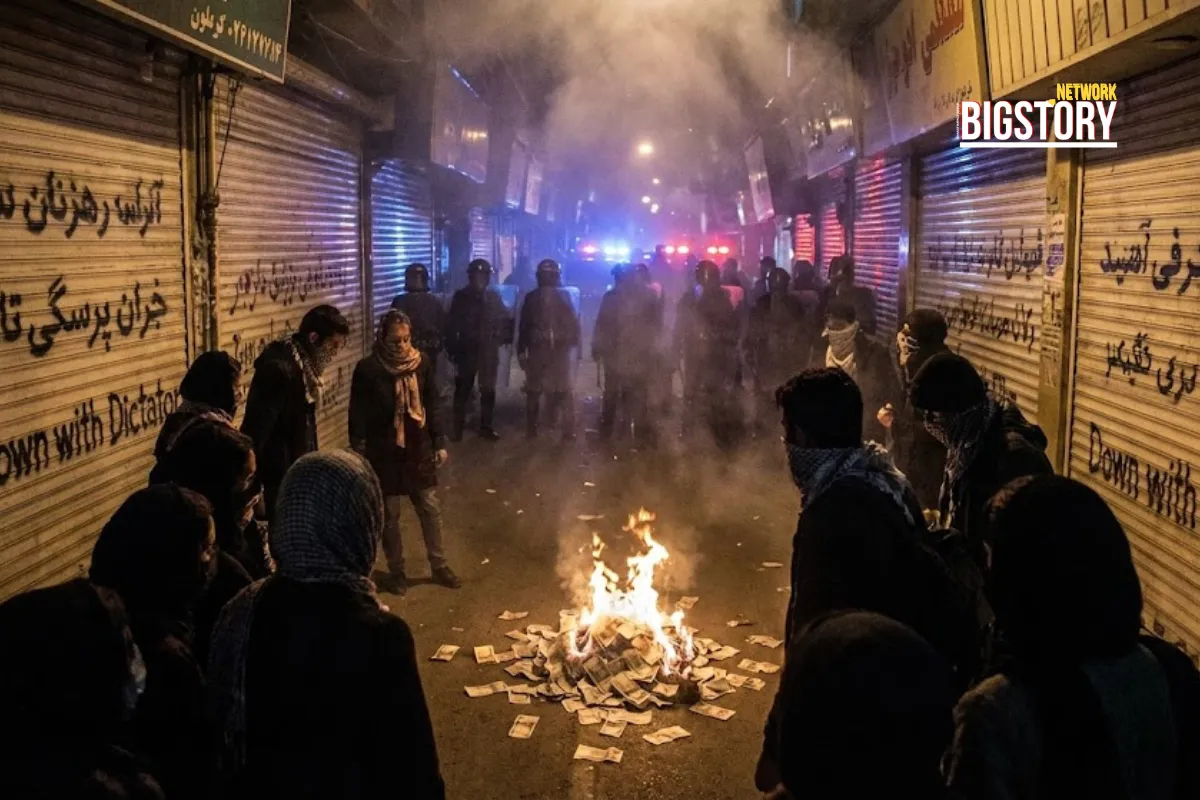
The chants echoing through Tehran this week are familiar, but the desperation fueling them is new. On January 2, 2026, massive anti-regime protests entered their fifth day, spreading from the capital to dozens of provincial cities. Triggered by the Iranian Rial crashing to a historic low of 144 million to the US dollar, the unrest has evolved rapidly from economic grievances to explicit calls for the downfall of Supreme Leader Ayatollah Ali Khamenei. Unlike the women-led "Woman, Life, Freedom" movement of 2022, this uprising is being driven by a "coalition of the desperate"—students, bazaar merchants, and energy sector workers—united by an economy in freefall and a sense that the regime has nothing left to offer but repression.
The spark was lit in late December 2025, when the Rial lost nearly 30% of its value in weeks, decimating savings and pushing inflation on basic goods beyond reach. This economic implosion coincided with the looming inauguration of U.S. President-elect Donald Trump, whose "maximum pressure" rhetoric has spooked markets and emboldened protesters. Reports confirm the first death in Kuhdasht, where security forces opened fire on demonstrators. Yet, the crowds are growing. The regime’s traditional playbook—internet blackouts and tear gas—is struggling to contain a populace that feels it has nothing left to lose.
While mainstream coverage focuses on the "Inflation Riots," the deeper story is the "Convergence of Crises." In 2022, the protests were primarily social/cultural. In 2019, they were economic. Today, they are existential. The regime is facing a "perfect storm": a succession crisis (Khamenei is 86 and ailing), total economic isolation, and a hostile U.S. administration. This isn't just about the price of eggs; it's about the bankruptcy of the Islamic Republic's entire governance model.
Furthermore, the "Succession Shadow" is the silent driver. With Khamenei’s health rumored to be failing, the power struggle within the IRGC and the clergy is likely paralyzing the state’s response. A fractured elite cannot effectively repress a unified street.
If the bazaar strikes hold and the oil workers join en masse, the Islamic Republic faces a scenario it has avoided for 46 years: a general strike that paralyzes the economy. This would force the IRGC to make a choice—massacre their own people to save a dying clerical order, or negotiate a transition to save their own economic empires. For the West, the question is no longer "how to contain Iran," but "how to manage its potential collapse."
If the regime could not silence the streets when it had money, how will it silence them when it can't even pay its own riot police?
Why have protests erupted in Iran in January 2026? The immediate trigger is the catastrophic collapse of the Iranian Rial, which hit a record low of 144 million to the US dollar, causing hyperinflation. This economic shock has reignited long-standing grievances against the regime's corruption and repression, leading to calls for the downfall of Supreme Leader Khamenei.
How are these protests different from the 2022 Mahsa Amini protests? While 2022 was sparked by social/women's rights issues, the 2026 unrest is fundamentally economic, drawing in a broader coalition including the conservative bazaar merchants and labor unions. This "coalition of the desperate" poses a more structural threat to the regime's survival.
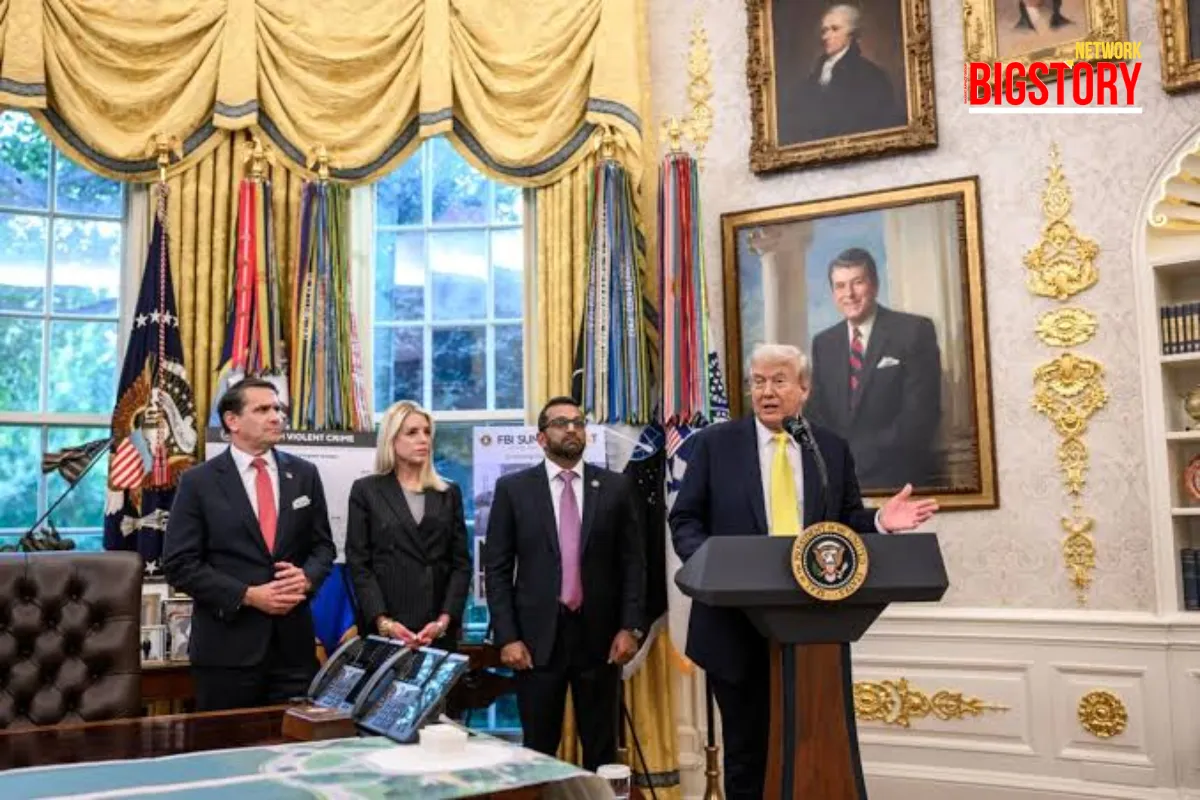
What has been Donald Trump's reaction to the Iran protests? President-elect Donald Trump has explicitly warned the Iranian regime against violent crackdowns, stating on January 2 that the U.S. "will intervene" if protesters are killed. This rhetoric has internationalized the crisis and emboldened demonstrators.
Sources
News Coverage
Context & Analysis
 Exclusive Content





Sign up for the Daily newsletter to get your biggest stories, handpicked for you each day.


 Trending Now! in last 24hrs