The U.S. and Iran enter a "last-chance" round of indirect nuclear negotiations in Geneva as President Trump's 10-day military ultimatum ticks down. Inside the economic siege.
 Sseema Giill
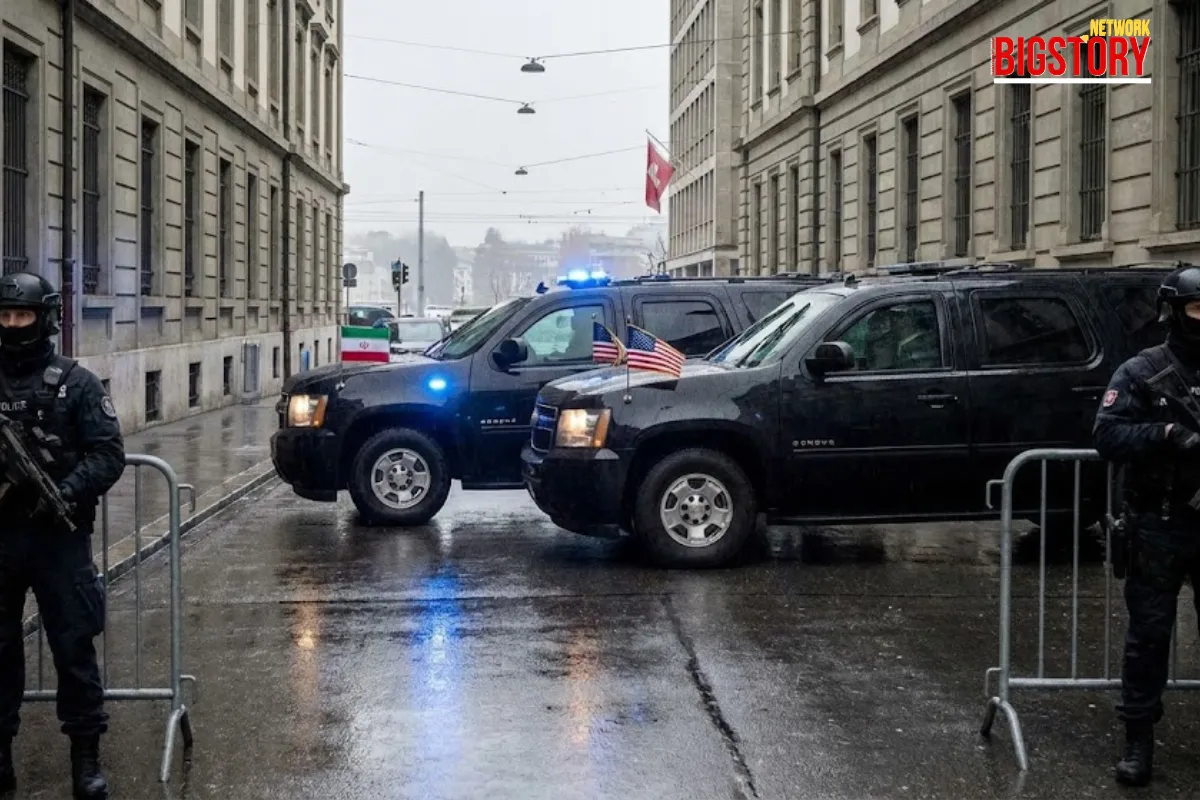
The diplomatic clock is ticking louder than ever in Geneva. On Thursday, February 26, U.S. and Iranian delegations entered separate rooms in the Swiss capital for a third, and potentially final, round of indirect nuclear negotiations. Hovering over the table is a massive U.S. military deployment—led by the USS Gerald R. Ford and USS Abraham Lincoln—and a blunt 10-day ultimatum issued by President Donald Trump.
This matters because the gap between diplomacy and devastation has never been narrower. The U.S. has drawn an absolute "red line" demanding that Tehran immediately dilute its stockpile and cease all uranium enrichment (bringing it down from 60% to 0%). Iran’s leadership insists it is operating in "good faith," but the legacy of the June 2025 "Operation Midnight Hammer" strikes on Iranian nuclear sites serves as a grim reminder that Washington is fully prepared to enforce its deadlines with bunker-buster munitions.
Mainstream media is obsessing over the military brinkmanship and the aircraft carriers. They are missing the true strategic driver: The Economic Siege.
President Trump's hardline strategy isn't just about the "Art of the Deal" or projecting military strength; it relies heavily on the internal collapse of the Iranian economy. With the Iranian rial plummeting to a record low of 1.42 million to the U.S. dollar late last year, the regime is facing massive domestic unrest. The U.S. negotiation team knows that Tehran is functionally too broke to sustain a prolonged, multi-front war. Consequently, the optimistic statements from Iranian negotiators regarding a "historic opportunity" for peace are likely less about diplomatic goodwill and more a reflection of profound economic desperation.
Furthermore, watch the Deepfake Deterrence angle. Iranian state media has aggressively labeled Western reports of impending U.S. strike plans as "media terrorism." Tehran is actively trying to counter AI-amplified psychological warfare that they fear is designed to trigger a domestic uprising or coup before a single missile is even launched.
The U.S. is demanding "zero enrichment," while Iran views completely dismantling its nuclear infrastructure as a total surrender. With the military clock ticking, is there any middle ground left to find in Geneva, or is a strike inevitable? Tell us in the comments.
 Exclusive Content






Sign up for the Daily newsletter to get your biggest stories, handpicked for you each day.



 Trending Now! in last 24hrs