As the Middle East crisis chokes traditional shipping lanes, India locks in Italy to revive resilient trade routes and aggressively preempt a looming global food inflation crisis.
 Sseema Giill
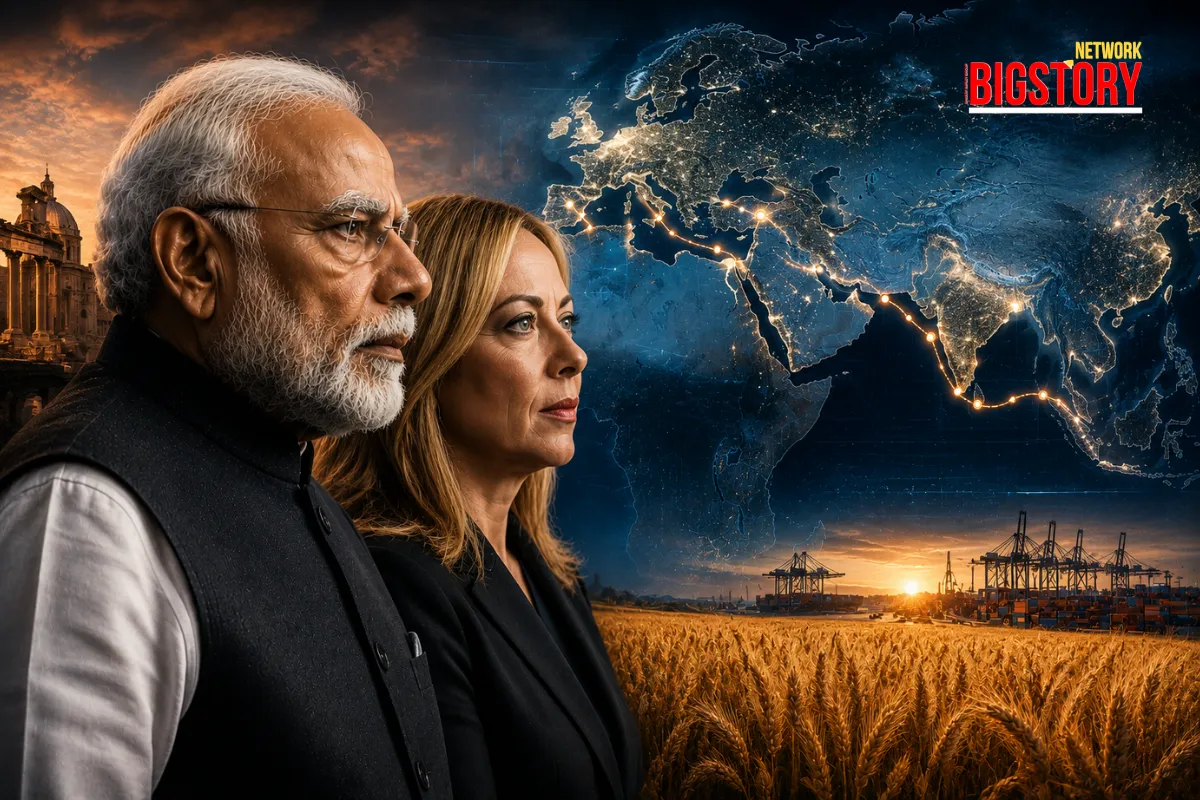
• What happened: Prime Minister Narendra Modi landed in Rome for the fifth and final stop of his European tour, holding high-stakes bilateral talks with Italian Prime Minister Giorgia Meloni.
• Why it matters: The leaders are aggressively pushing to revive the India-Middle East-Europe Economic Corridor (IMEC) as a vital, resilient alternative to the conflict-ridden Red Sea trade routes.
• The strategic play: Beyond defense and trade, Modi is making a highly calculated visit to the Food and Agriculture Organisation (FAO) headquarters to position India at the center of global food security diplomacy.
• India's stake: Facing domestic monsoon threats from El Niño and global fertilizer shortages driven by the US-Iran war, New Delhi is actively hedging to protect its agricultural supply lines from severe inflationary shocks.
• The deciding question: Can India and Italy successfully operationalize the massive IMEC infrastructure project while the Middle East—its critical geographic bridge—remains an active conflict zone?
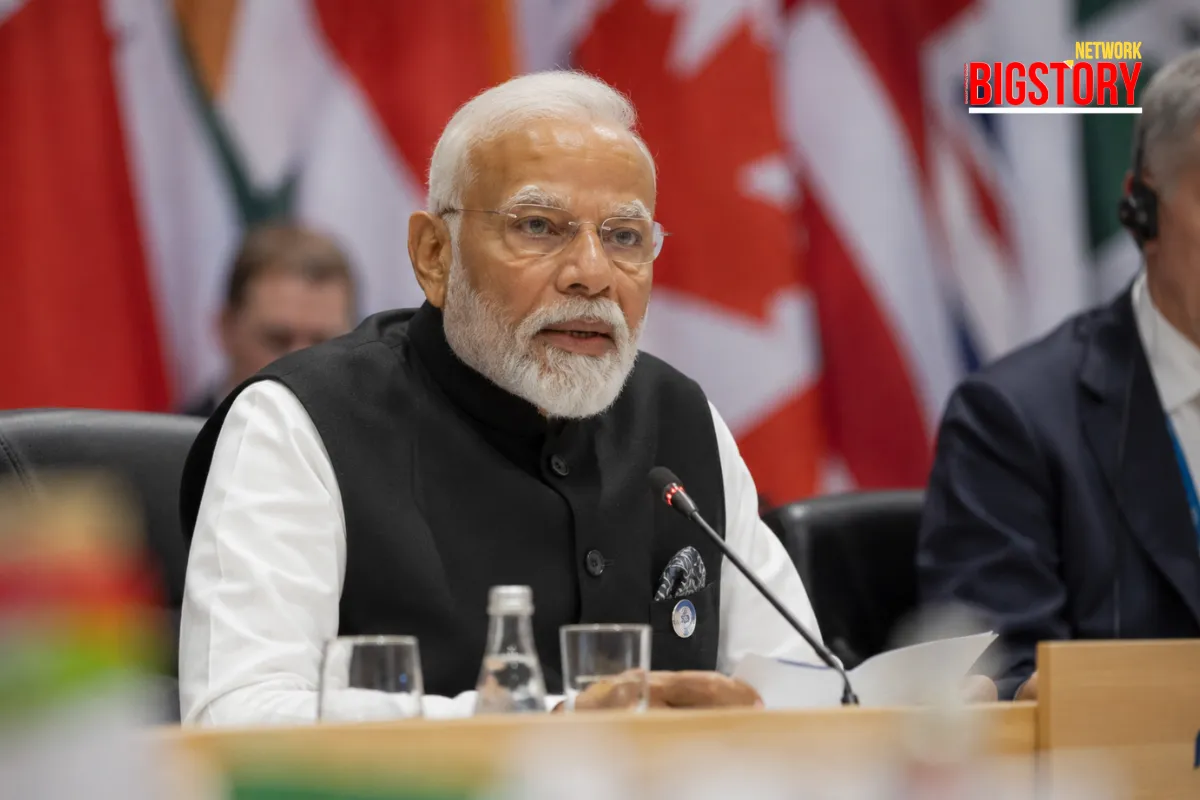
The European diplomatic marathon has reached its final destination. After concluding high-level tech and defense summits across Scandinavia, Prime Minister Narendra Modi landed in Rome, Italy, late Tuesday night. Today, the Prime Minister is wrapping up his massive five-nation tour with highly anticipated bilateral talks alongside Italian Prime Minister Giorgia Meloni and President Sergio Mattarella.
While optics will heavily feature the viral "Melodi" diplomatic camaraderie—including a joint visit to the Colosseum—the official talks at Villa Doria Pamphili are strictly focused on hard economics. New Delhi and Rome are actively reviewing the Joint Strategic Action Plan 2025-2029, with a clear mandate to elevate ties to a "Special Strategic Partnership" and aggressively push bilateral trade to the €20 billion mark by 2029.
A massive priority for this final European summit is the physical and logistical linking of India and the Mediterranean.
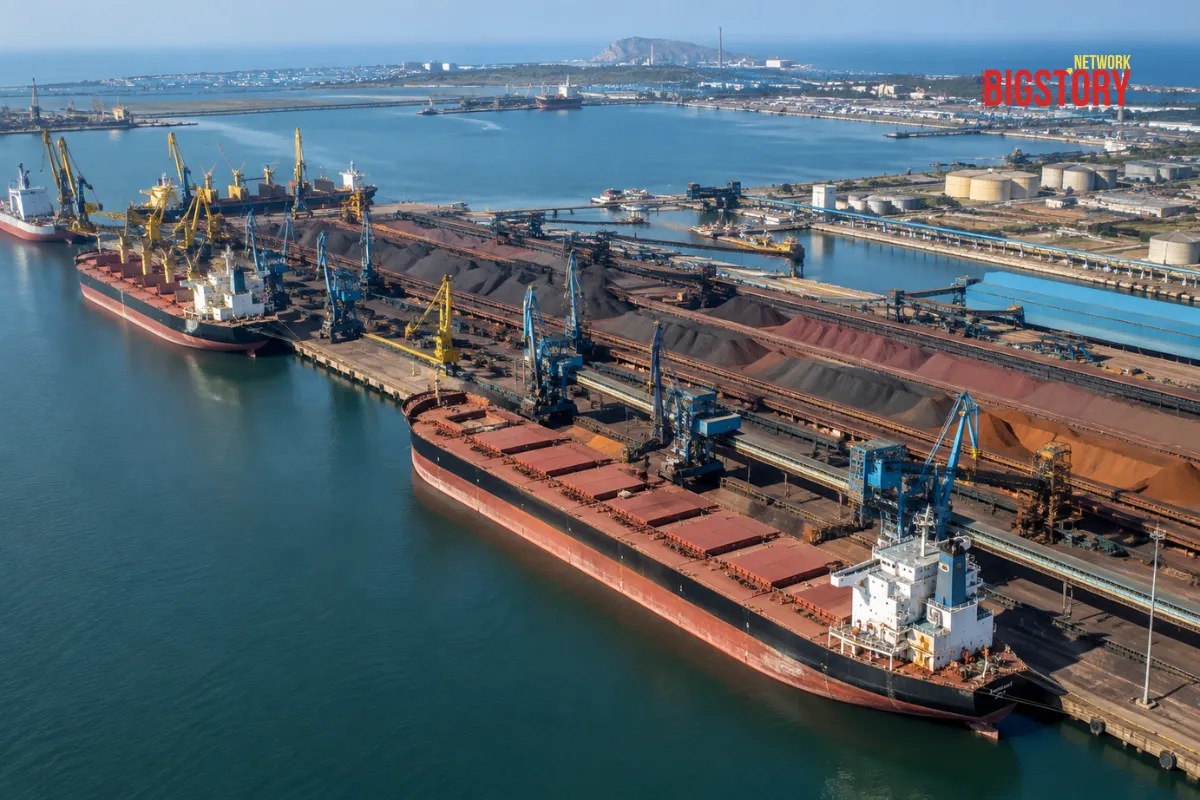
At the absolute top of the agenda is the revival and acceleration of the India-Middle East-Europe Economic Corridor (IMEC). With the ongoing US-Iran war severely disrupting traditional Red Sea shipping routes, India and Italy are desperately looking to operationalize this alternative, highly resilient trade route.
Beyond establishing secure transit corridors, the two leaders are actively expanding bilateral cooperation across advanced defense manufacturing, maritime security in the Indo-Pacific, artificial intelligence, and the transition to clean energy.
Narendra Modi, Prime Minister of India Modi is utilizing this final stop to anchor India’s European trade network in the Mediterranean, ensuring that Indian goods have a secure, high-volume gateway into the continent that bypasses current geopolitical choke points.
Giorgia Meloni, Prime Minister of Italy Meloni continues to position Italy as Europe’s primary southern diplomatic and economic bridge to the Indo-Pacific, leveraging her strong personal rapport with the Indian leadership to secure lucrative defense and tech investments.
Mainstream coverage is heavily focused on the IMEC corridor and the cultural optics of the visit, but the "Missed Angle" lies just outside the bilateral meeting rooms. While in Rome, PM Modi is making a highly specific, strategic visit to the headquarters of the Food and Agriculture Organisation (FAO).
This is not a standard diplomatic courtesy call; it is a calculated macroeconomic hedge. India is currently facing a dual-threat environment: the domestic monsoon is potentially compromised by a developing El Niño, while the Middle East conflict is threatening global fertilizer production and agricultural supply chains.
New Delhi is acutely aware of the looming threat of severe global food inflation. By directly engaging with the FAO at the highest level, the PMO is signaling that India is moving preemptively to secure its agricultural supply lines. Modi is anchoring India as a central player in global food security diplomacy before international macroeconomic conditions deteriorate further.
• Supply Chain Resilience: Pushing IMEC from a conceptual framework to operational infrastructure is now an urgent national security priority to prevent the Indian export market from being strangled by Middle Eastern volatility.
• Inflation Mitigation: The FAO engagement indicates that the Reserve Bank of India and the Ministry of Agriculture are actively preparing contingency frameworks for a potential spike in global food prices later this year.
• Tour Conclusion: Locking in Italy as a Mediterranean anchor successfully caps off a five-nation tour that has fundamentally rewired India's approach to European defense, tech, and energy integration.
If the era of uninterrupted global shipping is truly over, is the IMEC corridor India's only viable lifeline to the Western markets?
• Ministry of External Affairs (MEA): Official Bilateral Meetings and Press Releases Hub
• The Hindu: National Diplomacy and World News Updates
• The Economic Times: Global Business, Trade, and IMEC Corridors Tracker
• Asian News International (ANI): ANI Global Strategic Partnerships and European Tour Feed
 Exclusive Content
Sign up for the Daily newsletter to get your biggest stories, handpicked for you each day.

 Trending Now! in last 24hrs