Washington arrives at the negotiating table demanding geopolitical stability, but America’s intense military entanglement in the Middle East has completely rewritten the superpower playbook.
 Sseema Giill
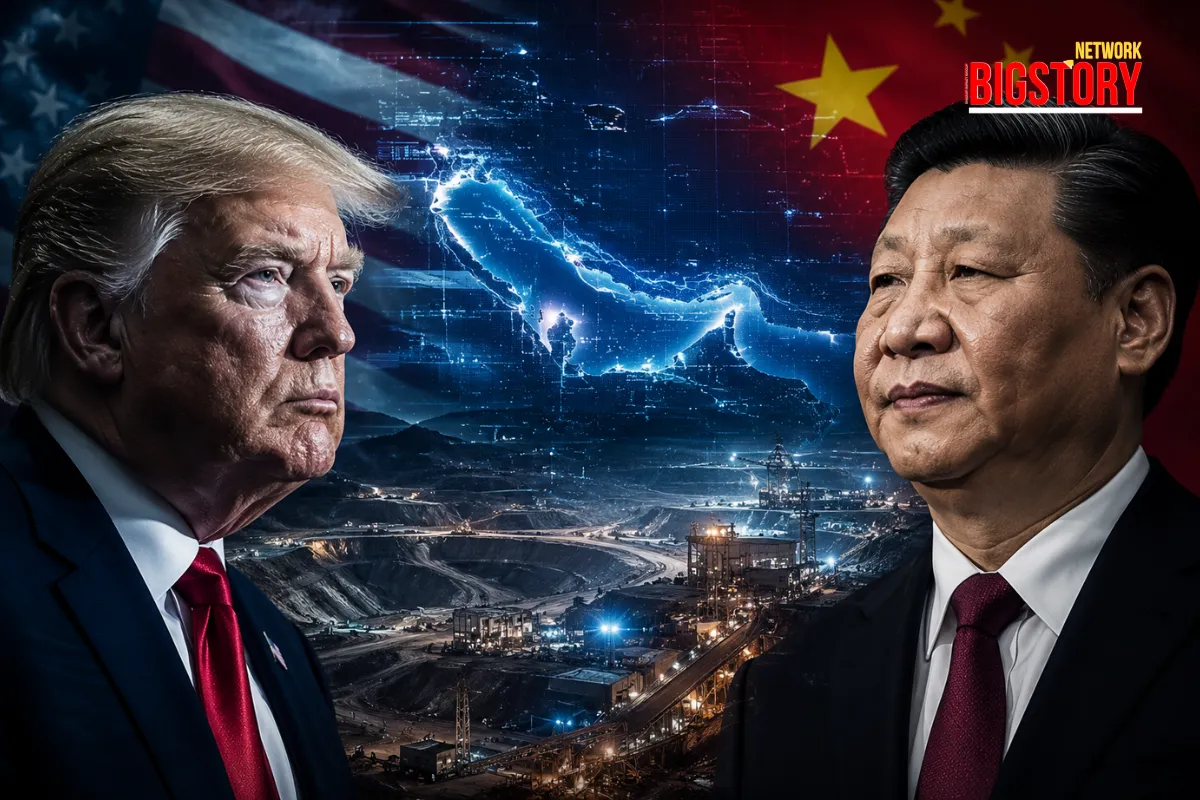
• What happened: US President Donald Trump arrived in China for a high-stakes three-day state visit, culminating in a bilateral summit with President Xi Jinping.
• Why it happened: The White House originally delayed the March summit due to the outbreak of the US-Israeli war with Iran, forcing a mid-May rescheduling to address the global fallout.
• The strategic play: Trump seeks tangible economic deliverables and demands Beijing pressure Iran into a final peace agreement to reopen the Strait of Hormuz.
• India's stake: The negotiations directly dictate the stability of Asian supply chains, the price of Middle Eastern oil, and the immediate geopolitical security of the Indo-Pacific region.
• The deciding question: Will Washington's desperate need to replenish its depleted munitions stockpile force Trump to surrender his technological containment strategy against Beijing?
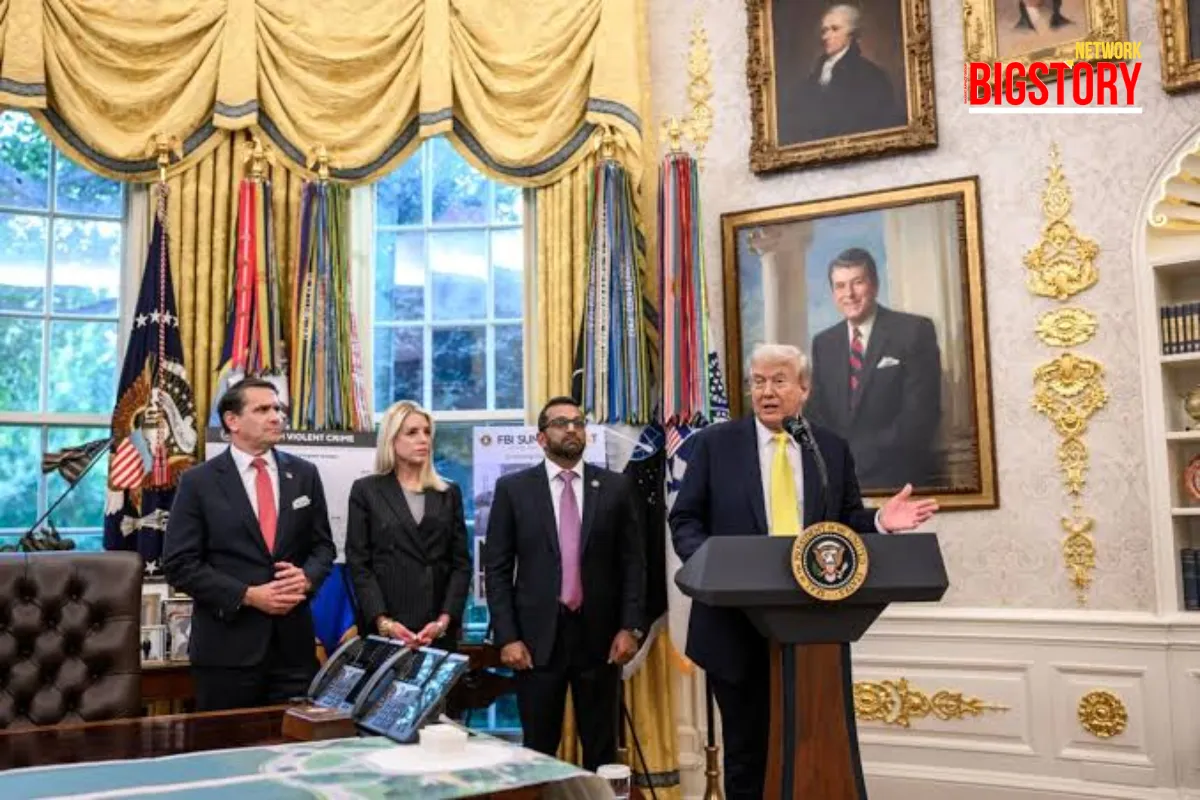
Donald Trump arrived in Beijing today to commence a critical three-day state visit, setting the stage for a high-stakes bilateral summit with Chinese President Xi Jinping. The US President touched down at Beijing Capital International Airport, officially beginning a diplomatic mission that the outbreak of the US-Israeli war against Iran originally derailed.
Washington enters these negotiations aggressively seeking tangible economic deliverables and geopolitical concessions. The White House demands China leverage its position as Iran's largest oil buyer to force Tehran into a binding peace agreement and fully reopen the blockaded Strait of Hormuz.
• The Trigger: The White House abruptly postponed the originally scheduled March summit as US Central Command initiated widespread combat operations against Iran.
• The Background: Trump returns to Chinese soil for the first time since 2017, confronting a deeply fractured global order and escalating technological warfare over frontier Artificial Intelligence.
• The Escalation: Beijing publicly hosted the Iranian foreign minister just last week, clearly signaling to Washington that China controls the diplomatic off-ramps to the Middle East conflict.
• The Stakes: Xi Jinping firmly maintains that Taiwan remains the absolute red line, explicitly warning the US against utilizing the summit to justify further arms sales to the island.
Donald Trump, President of the United States
Trump prioritizes concrete economic victories, specifically pushing for major Chinese purchases of US agricultural goods and Boeing aircraft to establish a framework for "managed trade."
Xi Jinping, President of the People's Republic of China
Xi approaches the summit from a position of strategic endurance. He demands immediate relief from aggressive US investment restrictions and export controls on advanced semiconductors and AI infrastructure.
Mainstream coverage frames this summit around traditional trade tariffs and performative diplomatic handshakes, but the real negotiating power relies entirely on the invisible shift in global supply chains. During Trump's first term, unilateral tariffs served as Washington's primary weapon. Today, the center of gravity has shifted entirely to China's near-monopoly on critical minerals and rare earths.
As the US military rapidly burns through its stockpiles of advanced munitions in the war against Iran—specifically the 5,000-pound bunker busters utilized during "Operation Epic Fury"—the Pentagon faces a catastrophic supply chain crisis. Chinese state enterprises overwhelmingly control the permanent magnets and specialized rare earth elements required to manufacture replacement missiles. Xi Jinping walks into this summit knowing that America's intense, ongoing military entanglement in the Middle East has inadvertently handed Beijing the ultimate strategic leverage over the US defense industrial base.
• Supply Chain Shocks: Any Chinese retaliation involving rare earth export bans directly threatens India's own defense manufacturing and renewable energy infrastructure.
• The Iran Vector: If Trump successfully forces Xi to choke Iran's oil revenue, New Delhi must rapidly adjust its energy import strategies to navigate the resulting global price volatility.
• The Indo-Pacific Balance: A US-China deal that relieves tech sanctions on Beijing immediately accelerates the modernization of the People's Liberation Army, altering the security calculus along the Line of Actual Control.
• Immediate Governance: US negotiators will attempt to firewall the tech and AI discussions from the immediate necessity of securing Chinese cooperation on Middle East shipping routes.
• Structural Shift: The US military-industrial complex realizes it cannot sustain a multi-front containment strategy when its primary geopolitical rival controls its raw material supply lines.
• India-Specific Consequence: New Delhi must capitalize on Washington's supply chain panic by accelerating its own critical minerals partnerships with the US and Australia.
If the Pentagon relies on Chinese rare earths to build the bombs it drops in the Middle East, exactly how much leverage does the US President actually bring to the negotiating table in Beijing?
All India Radio News: US President Donald Trump to visit China from May 13 to 15
U.S. Department of War: Operation Epic Fury
 Exclusive Content


Sign up for the Daily newsletter to get your biggest stories, handpicked for you each day.



 Trending Now! in last 24hrs