After two years of strained ties and geopolitical posturing, the brutal reality of a global oil shock has forced Dhaka and New Delhi back to the negotiating table, reviving critical defense and trade talks.
 Sseema Giill
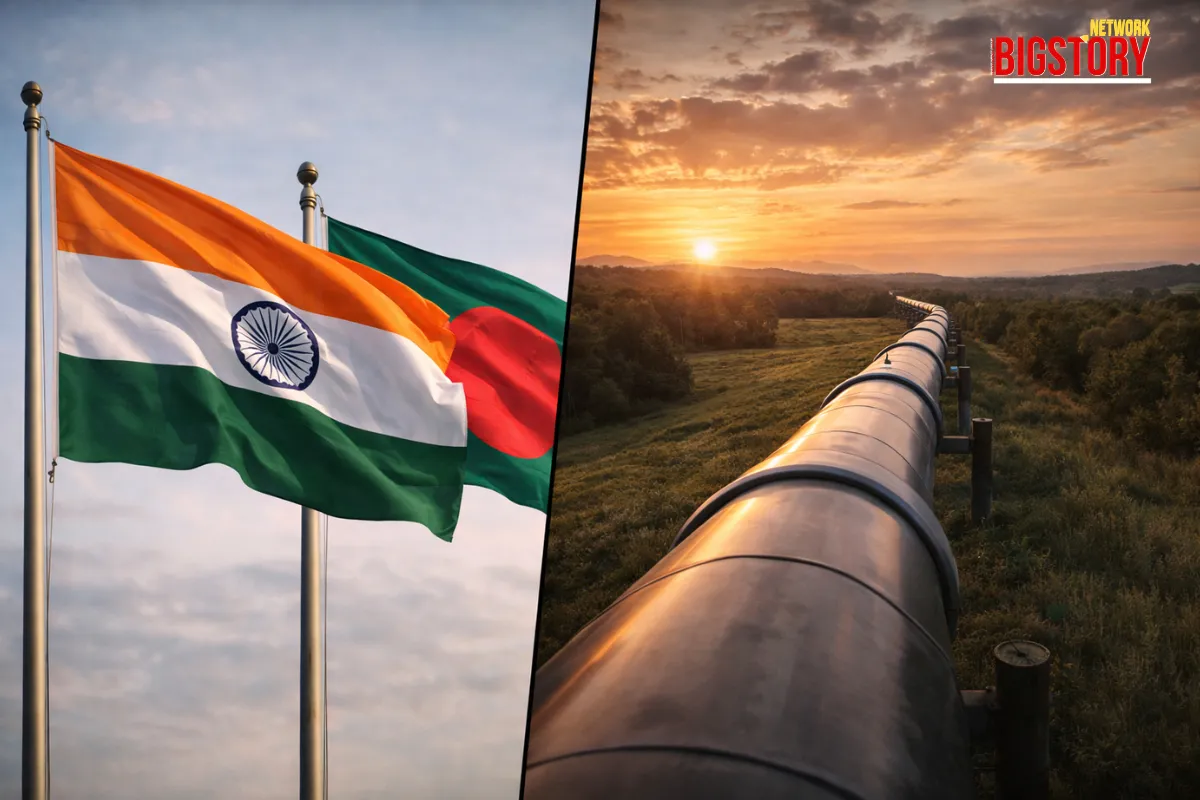
Following nearly two years of deeply strained relations and intense geopolitical posturing, military and diplomatic ties between New Delhi and Dhaka are officially experiencing a high-level reset.
Sparked by a massive, debilitating regional energy crisis, military talks formally resumed this week, culminating in critical defense discussions in New Delhi and a forward-looking prime ministerial meeting in Dhaka on Monday, April 6, 2026.
The India-Bangladesh relationship has been highly volatile since the dramatic ouster of former Prime Minister Sheikh Hasina in August 2024. The subsequent interim government phase saw a massive surge in anti-India rhetoric, deteriorating border security, and strategic overtures from Dhaka toward both China and Pakistan—including discussions regarding the procurement of Sino-Pak JF-17 fighter jets.
However, the tone shifted drastically this week:
The sudden diplomatic thaw is not born out of sudden ideological alignment, but out of sheer economic survival.
The ongoing West Asia conflict between the U.S., Israel, and Iran has sent global oil markets into a state of shock. With the Strait of Hormuz effectively choked and Iran actively shooting down U.S. warplanes, Bangladesh is facing a severe, crippling energy crisis.
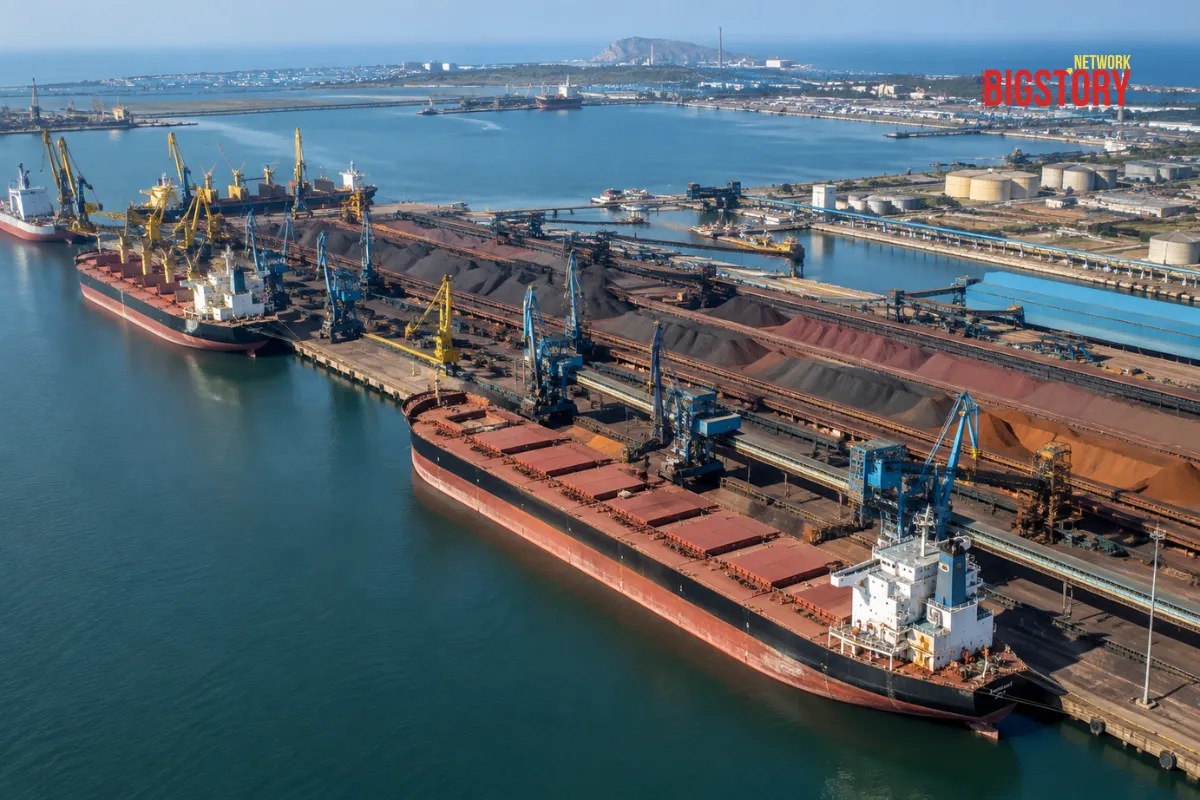
To keep the country running, Dhaka recently made an urgent request to India for 50,000 tonnes of diesel via the India-Bangladesh Friendship Pipeline. Recognizing the opportunity, New Delhi swiftly accommodated the request, using the emergency fuel supply as leverage to force both nations back to the diplomatic negotiating table.
While the resumption of trade dominates the public statements, the "Missed Angle" in these defense talks is India’s broader eastern security calculus.
In the recently passed 2026 Union Budget, India drastically boosted its defense spending to ₹7.84 lakh crore, heavily driven by multi-front border anxieties. By pulling Bangladesh back into joint military training and offering vital energy lifelines, the Indian Army is actively executing a strategic containment maneuver.
New Delhi is quietly working to neutralize any growing Chinese or Pakistani military footprint near the highly sensitive Siliguri Corridor—the narrow "Chicken's Neck" connecting mainland India to its northeastern states. For the Indian defense establishment, stabilizing relations with Dhaka is no longer just about neighborly goodwill; it is an absolute geographical necessity to secure the eastern flank.
As global supply chains fracture, the harsh reality of geography is proving stronger than the rhetoric of post-2024 politics.
Rumour:
India has agreed to completely forgive all of Bangladesh's outstanding energy debts to secure the alliance.
Fact:
Verified False.While India has stepped in to provide an emergency supply of 50,000 tonnes of diesel via the Friendship Pipeline, it is a transactional energy agreement. New Delhi is using this trade as diplomatic leverage, not debt forgiveness.
News & Wire Coverage:
 Exclusive Content





Sign up for the Daily newsletter to get your biggest stories, handpicked for you each day.



 Trending Now! in last 24hrs