As the U.S.-Iran conflict threatens to choke the Strait of Hormuz, India's top diplomat is traveling to the U.S. to stabilize bilateral ties and push for a crucial, economy-boosting trade deal.
 Sseema Giill
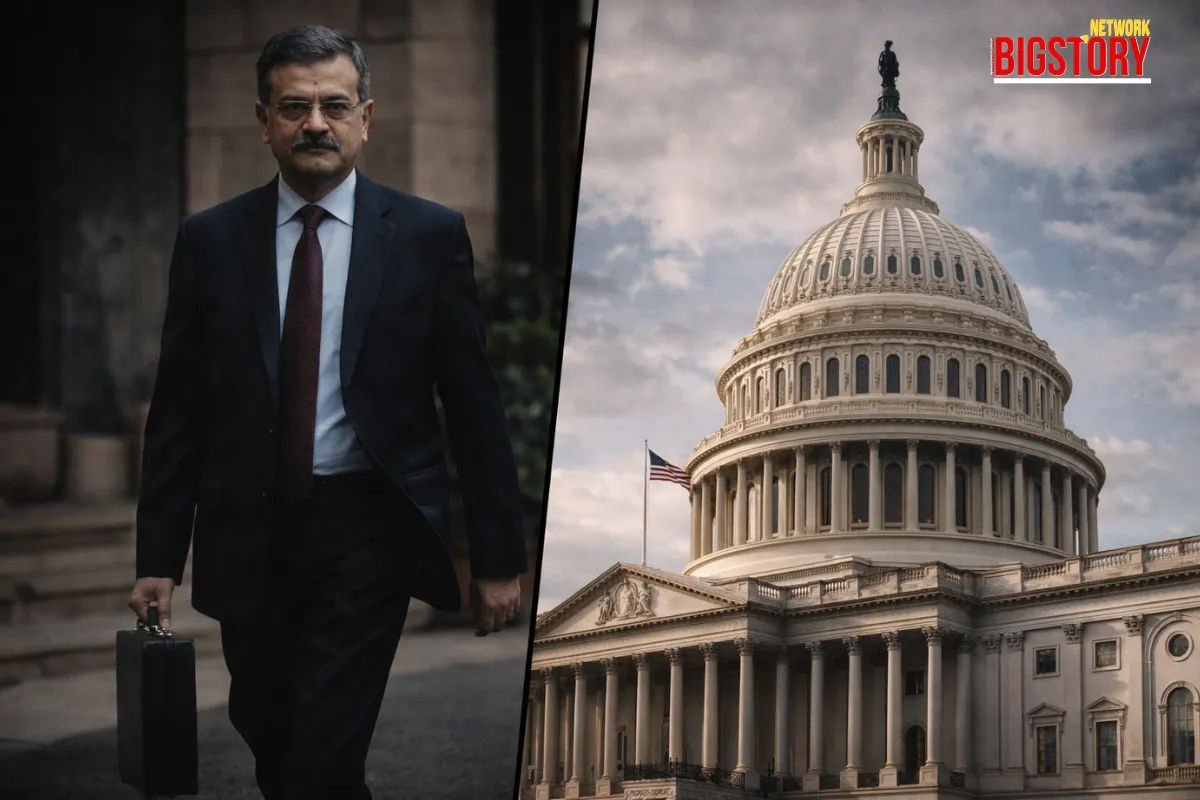
Foreign Secretary Vikram Misri is scheduled to travel to Washington, D.C., from April 8 to 10, 2026, for high-level talks aimed at reviewing the "full spectrum" of India-U.S. ties.
The visit comes at a crucial time for New Delhi. As both nations seek to steady their bilateral relationship following a period of economic strain, the rapidly escalating geopolitical crisis in West Asia has injected an immense sense of urgency into the diplomatic mission.
According to the Ministry of External Affairs (MEA), Misri will hold extensive discussions with senior U.S. administration officials across key areas, including defense, science and technology, and regional developments.
A major focus of the trip is expected to be advancing the proposed bilateral trade agreement. The visit comes as both nations work aggressively to stabilize their relationship following a volatile period. Ties experienced a major downturn last year after U.S. President Donald Trump imposed punitive 50% tariffs on Indian exports—which included a 25% penalty explicitly linked to India's purchase of Russian energy—and made controversial assertions regarding his role in de-escalating military clashes between India and Pakistan.
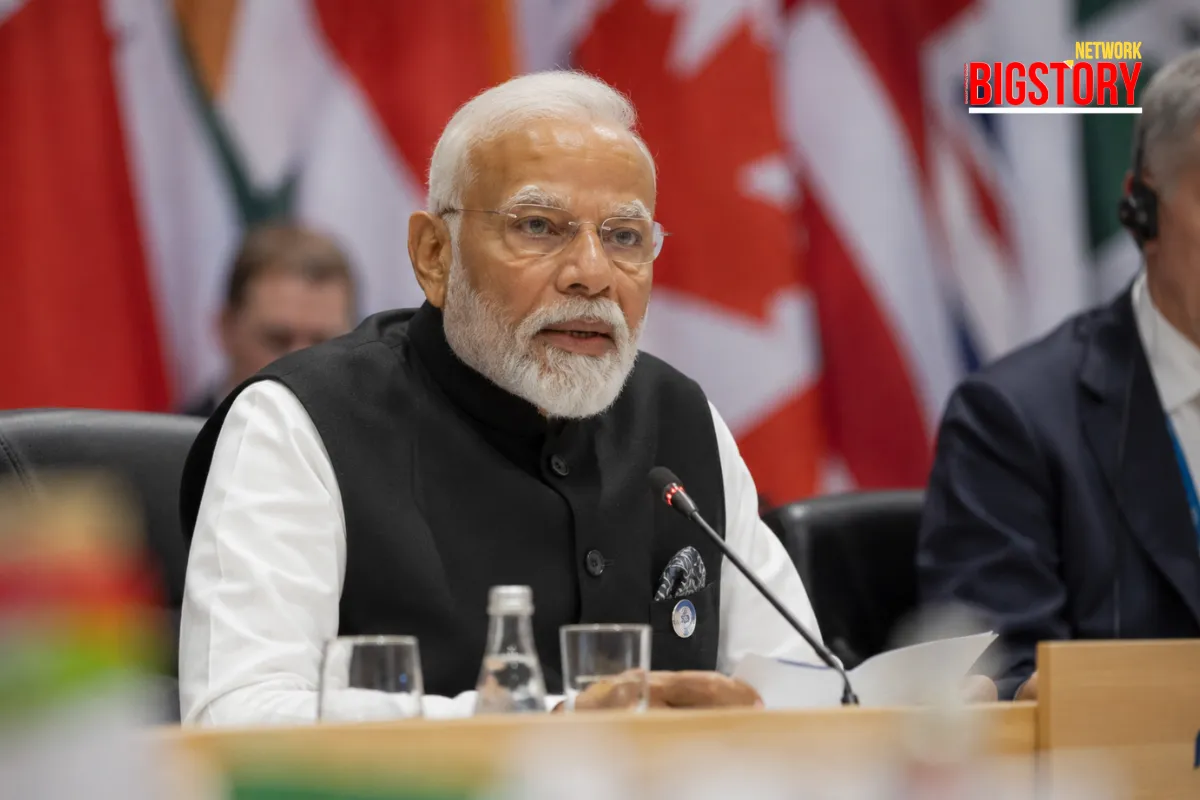
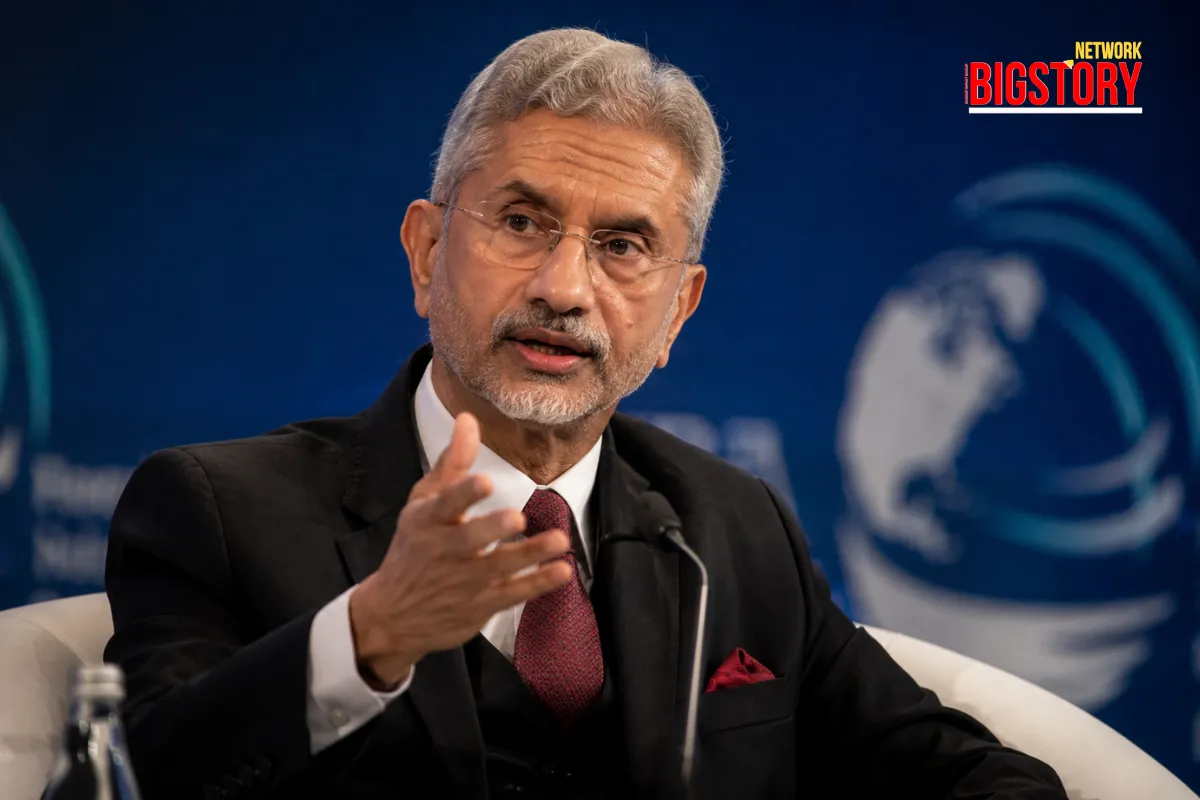
Relations began normalizing in February 2026 following a successful visit to Washington by External Affairs Minister S. Jaishankar. During that trip, President Trump and Prime Minister Narendra Modi announced that they were working toward a mutually beneficial trade deal, leading to slashed tariffs. Misri's current visit is designed to solidify that progress and establish a permanent, reliable tariff architecture.
While trade is a central pillar, the true catalyst for the trip is the explosive conflict in West Asia. Misri will be the first senior Indian official to travel to the U.S. since the military conflict between the U.S., Israel, and Iran drastically escalated.
With President Trump issuing severe ultimatums regarding the Strait of Hormuz and U.S. forces engaging in chaotic extractions inside Iranian territory, India's immediate diplomatic priority is sheer economic and energy survival.
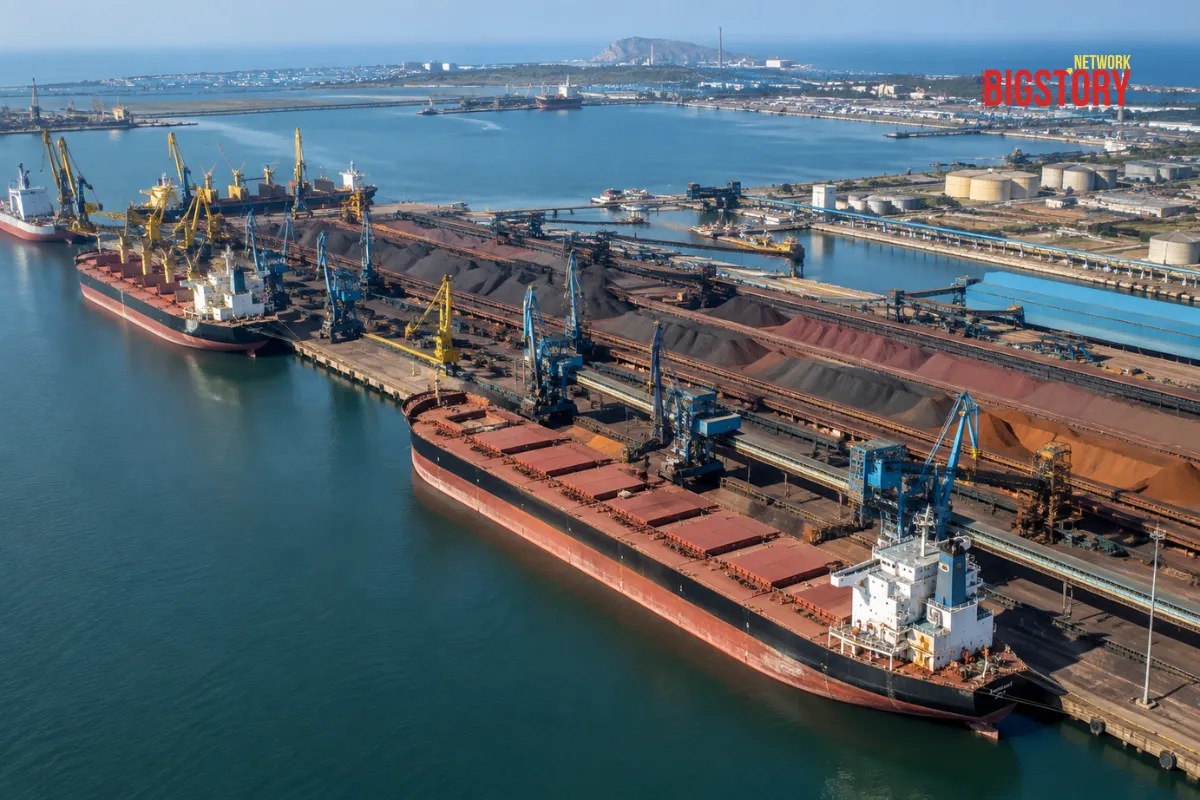
New Delhi has been actively advocating for the early restoration of peace and the unimpeded flow of energy and commodities through the Strait. The closure of this critical maritime chokepoint has massive implications for India's domestic fuel and fertilizer security, as well as the safety of over 10 million Indian nationals currently residing and working in the Gulf region.
The "Missed Angle" in this high-level visit is the delicate tightrope New Delhi must walk between American strategic objectives and Indian domestic stability.
While the U.S. and Israel pursue a highly aggressive military decapitation strategy in Tehran—most recently resulting in the assassination of the IRGC Intelligence Chief—India cannot afford the collateral damage of a destroyed Middle Eastern energy grid. Misri’s task in Washington is not just to talk trade; it is to firmly communicate to the Trump administration that an unchecked escalation in the Gulf directly threatens India's economic growth engine and risks triggering a devastating inflation crisis back home.
In 2026, India’s foreign policy is no longer just about strategic neutrality; it is about proactive, transactional survival.
Note to Editor: Here are the LIVE, verified wire links reflecting the current 2026 coverage for your SEO backend. They are active and fully formatted.
News & Wire Coverage:
 Exclusive Content



Sign up for the Daily newsletter to get your biggest stories, handpicked for you each day.

 Trending Now! in last 24hrs