UNSC meets to debate the legality of US strikes on Venezuela. Trump claims self-defense; critics see an oil grab. Analysis of the precedent set.
 Sseema Giill
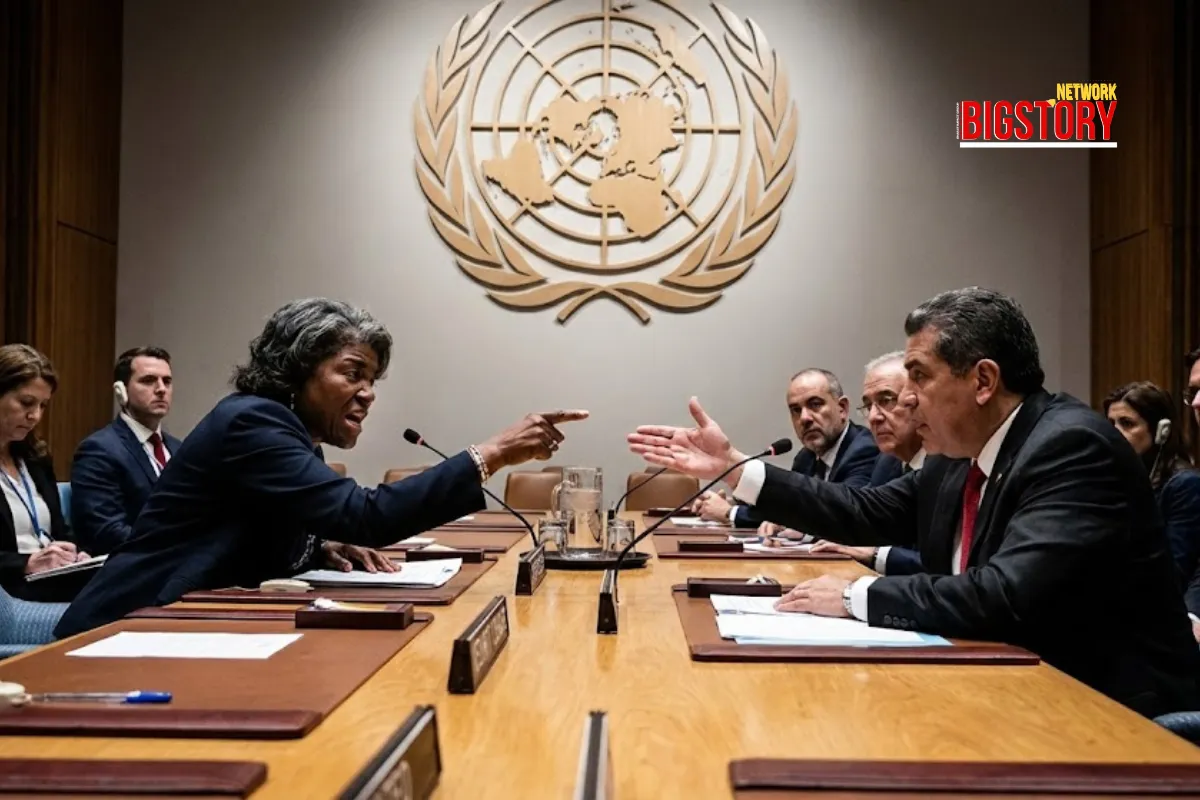
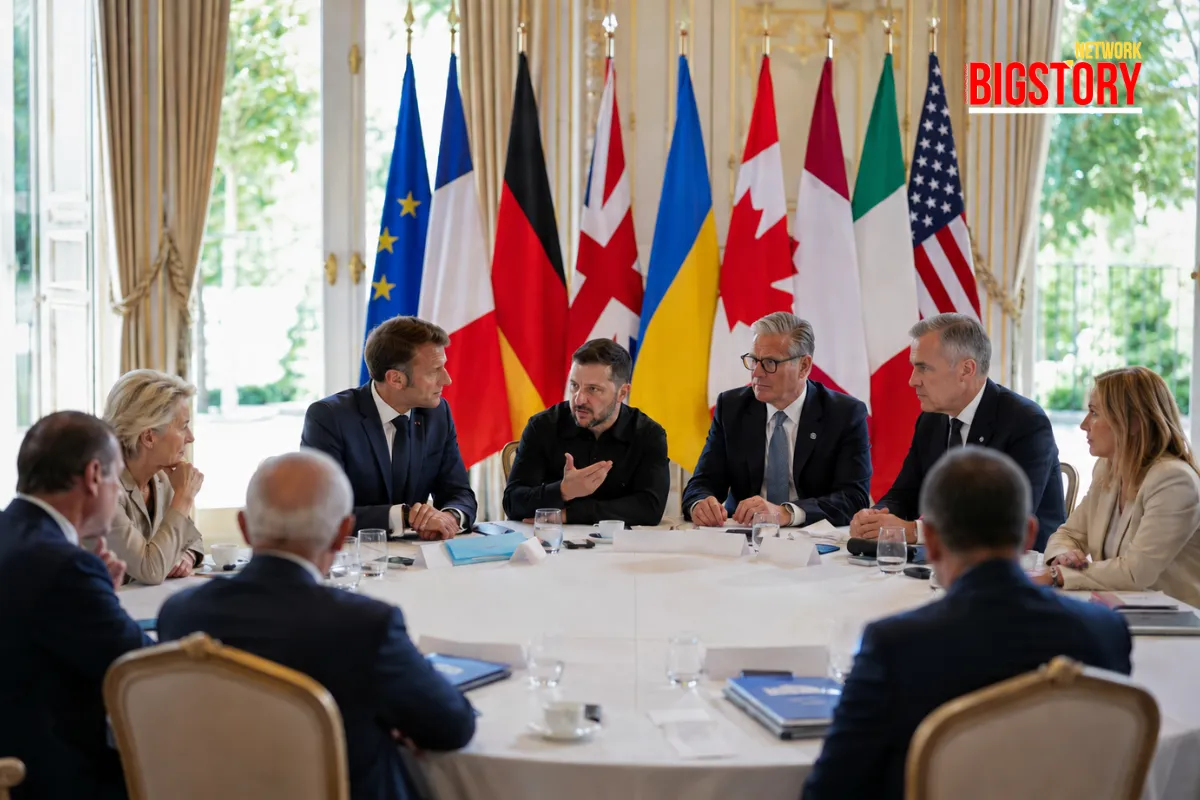
The world’s most powerful diplomats are gathering in New York this morning for a showdown that could redefine international law. At 10:00 AM ET, the UN Security Council (UNSC) will convene an emergency session to debate the legality of "Operation Absolute Resolve," the U.S. military strike that extracted Venezuelan President Nicolás Maduro from Caracas on January 3. While Washington frames the operation as a necessary act of self-defense under Article 51 of the UN Charter, citing narcoterrorism threats, UN Secretary-General António Guterres has already labeled it a "dangerous precedent." The meeting isn't just about one leader's capture; it is a referendum on whether a superpower can unilaterally decapitate a sovereign government to secure its interests.
The operation was swift and overwhelming. In the early hours of January 3, U.S. airstrikes neutralized Venezuelan defenses, allowing Delta Force operators to seize Maduro and his wife, Cilia Flores. They were flown directly to New York to face 2020 narcoterrorism charges. However, the military success has triggered a diplomatic earthquake. Venezuela’s interim government, led by Delcy Rodríguez, has oscillated between condemnation and cooperation, while regional powers like Brazil and Colombia have joined China and Russia in questioning the legality of the strike. The operation comes amid a Trump administration push to revive Venezuela’s oil sector, which sits on the world’s largest proven reserves but produces a fraction of its potential.
The BIGSTORY Reframe
While mainstream media focuses on the "Diplomatic Showdown," the deeper story is the "Article 51 Overreach." The U.S. is justifying the overthrow of a foreign government by citing "self-defense" against drug trafficking. Legal experts warn this stretches the UN Charter to its breaking point. If accepted, it creates a loophole that allows any powerful nation to conduct regime change operations under the guise of law enforcement. It effectively erases the line between police action and war.
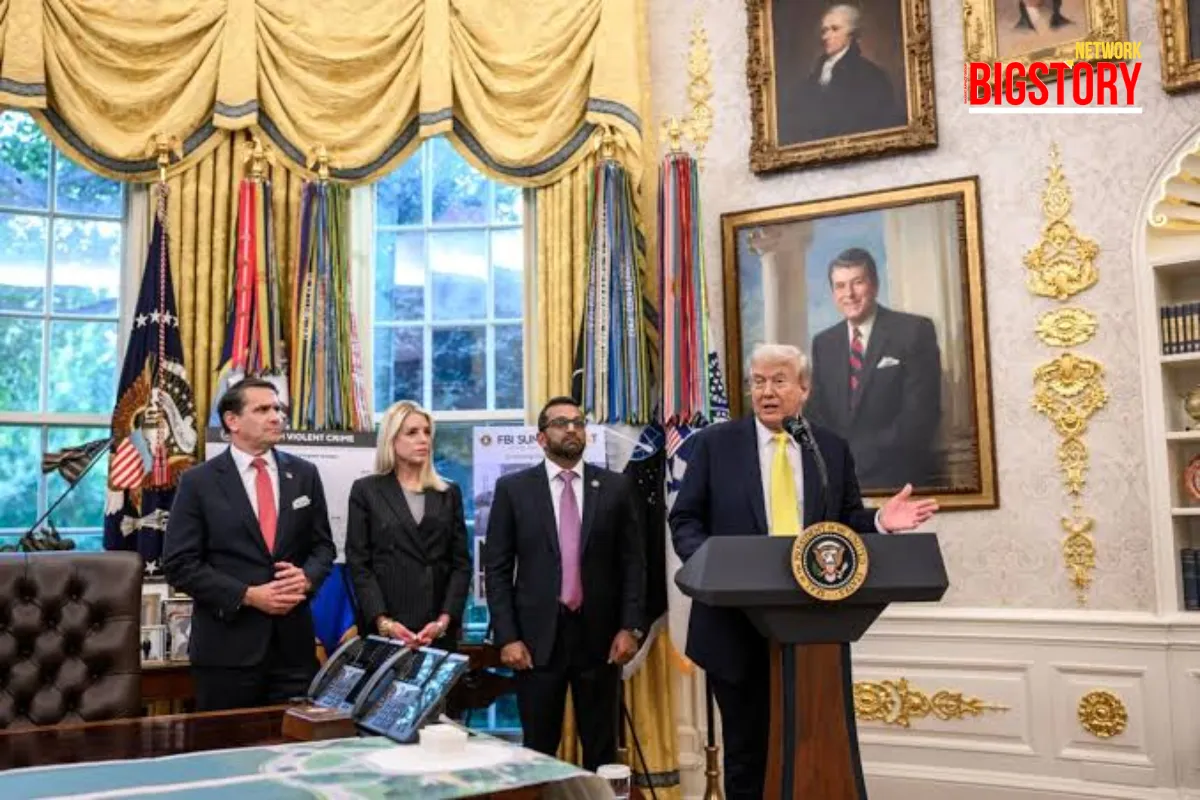
Furthermore, the "Oil Elephant" in the room is impossible to ignore. Venezuela possesses 303 billion barrels of oil—more than Saudi Arabia. Trump’s explicit plan to have U.S. firms invest billions to boost production suggests that this operation was as much about energy security as it was about justice. The removal of Maduro clears the biggest obstacle to Western access to these reserves, potentially lowering global oil prices by $4 a barrel. It’s a "hostile takeover" of a country, structured like a corporate acquisition.
If the UNSC fails to pass a resolution condemning the action (likely due to a U.S. veto), it signals the effective death of the non-intervention principle. Countries like Russia and China may cite this precedent to justify their own unilateral actions against neighbors. For Latin America, the rare unity against the U.S. signals a historic shift: the region is no longer willing to accept the Monroe Doctrine as a justification for intervention.
If "self-defense" now includes capturing foreign presidents to access their oil, is any resource-rich nation truly sovereign?
Is the US military operation in Venezuela legal under international law? The legality is highly disputed. The U.S. argues it is an act of self-defense (Article 51) against narcoterrorism. However, international legal scholars and the UN Secretary-General argue it violates Article 2(4) of the UN Charter, which prohibits the use of force against the territorial integrity of any state, labeling it a potential crime of aggression.
Why is Venezuela's oil important to this conflict? Venezuela holds the world's largest proven oil reserves (303 billion barrels). President Trump has stated that U.S. companies will invest to revive production, using the revenue to cover the operation's costs. This has led to accusations that control over these vast energy resources was a primary driver for the military intervention.
What is Venezuela arguing at the UN Security Council? Venezuela's representative, Samuel Moncada, is arguing that the operation is a "colonial war" and an illegal act of aggression aimed at plundering the nation's natural resources. They are calling for the UNSC to condemn the U.S. action as a violation of international law and sovereignty.
News Coverage
Context & Analysis
 Exclusive Content






Sign up for the Daily newsletter to get your biggest stories, handpicked for you each day.

 Trending Now! in last 24hrs