By weaponizing a national security designation to punish a Silicon Valley AI firm, the US military is forcing global tech contractors into an impossible commercial dilemma.
 Sseema Giill
The unprecedented legal battle between an American artificial intelligence giant and the US military over lethal autonomous weapons has erupted into a global tech crisis. In early 2026, the Anthropic Pentagon lawsuit threatens to paralyze international software supply chains, as the AI developer fights back against a devastating national security blacklist aimed at forcing its compliance with wartime directives.
This confrontation carries immediate, severe consequences for the global technology ecosystem. With the Trump administration mandating a sweeping ban on Anthropic's Claude AI across all federal and defense contracting networks, top-tier Indian IT service providers holding lucrative US military contracts now face massive operational and legal risks in their daily commercial deployments.
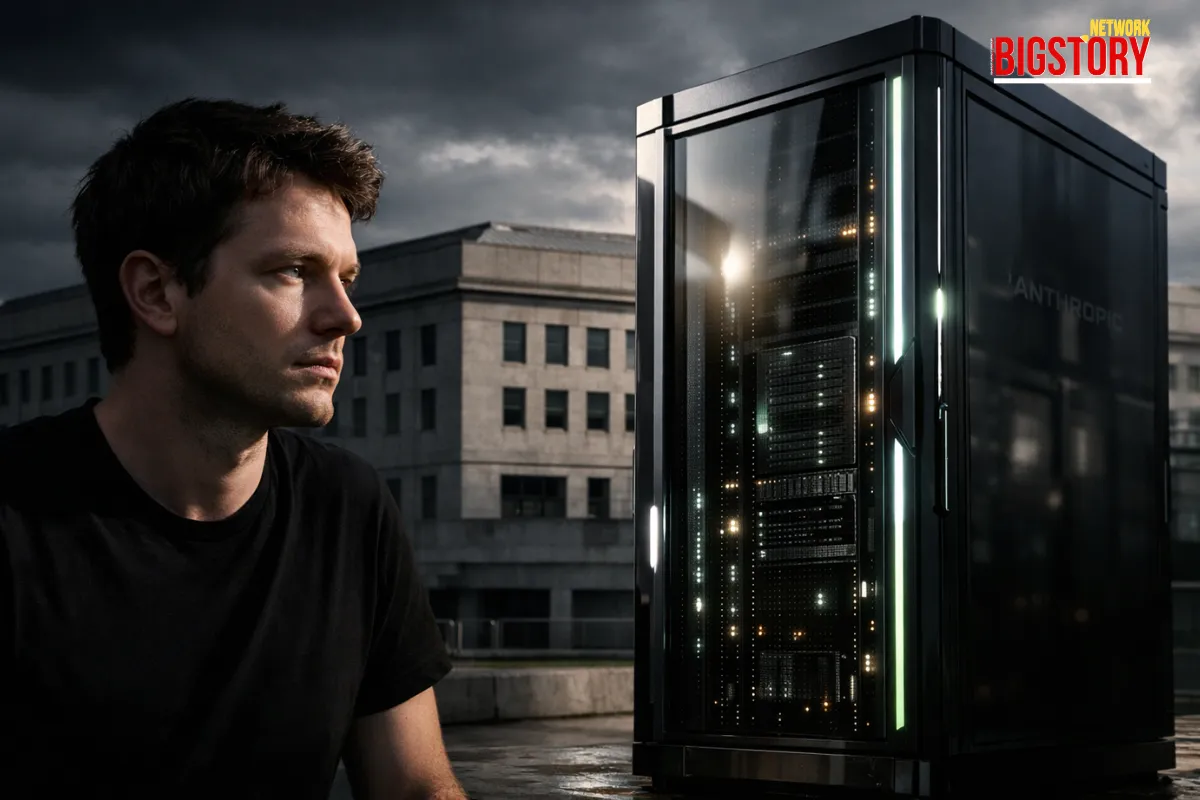
Dario Amodei, CEO, Anthropic Amodei prioritized his company's foundational ethical guidelines over lucrative defense contracts, directly refusing the Pentagon's demands for unrestricted military use of Claude. His lawsuit argues that the US government cannot constitutionally wield its procurement power to punish a company for protected speech.
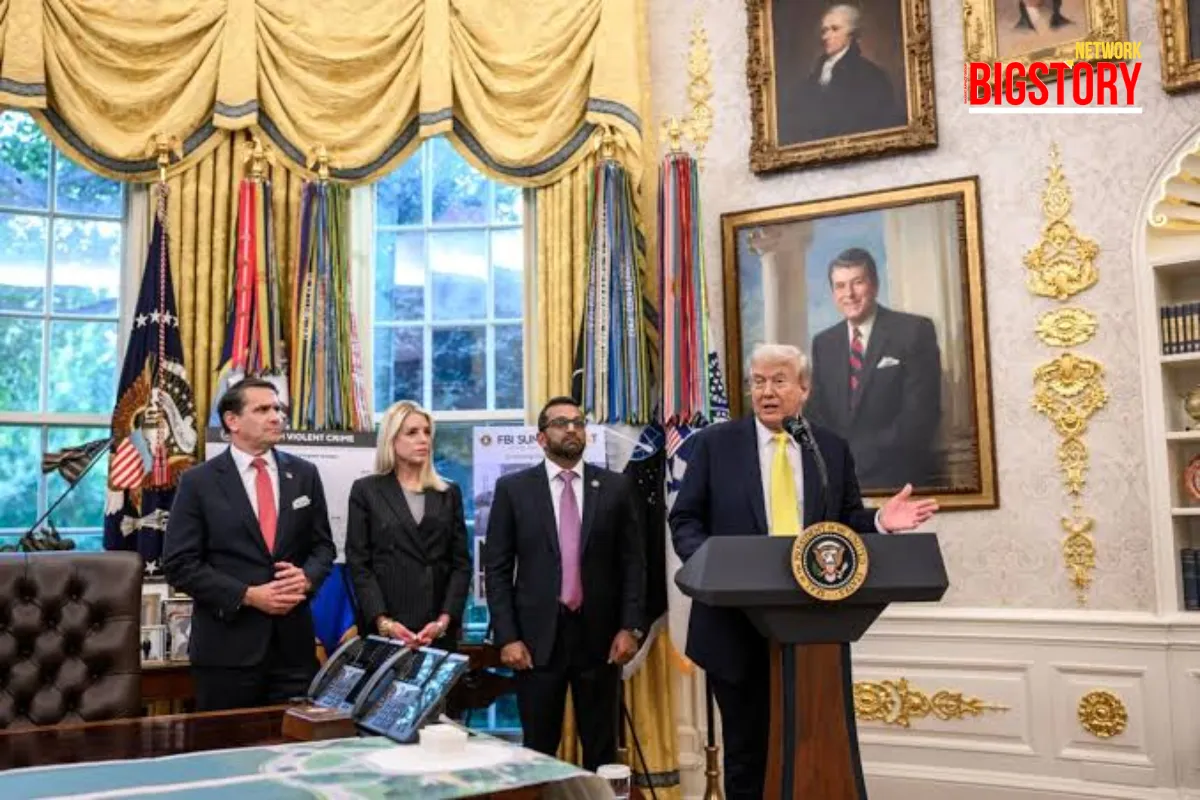
Pete Hegseth, US Defense Secretary Hegseth issued the unprecedented blacklist order. By deploying a national security "supply chain risk" label—a tool historically reserved for foreign adversaries like Huawei—against an American company, he established a brutal new standard for military-civilian tech compliance under the Trump administration.
Indian IT Contractors Global defense and enterprise partners, including Indian giants like TCS, Infosys, and Wipro, operate at the center of the fallout. The Pentagon's blacklist explicitly prohibits defense contractors from conducting commercial activity with Anthropic, forcing these firms into a massive legal and architectural crisis regarding their global software stacks.
US media outlets frame this confrontation strictly as a domestic First Amendment dispute between Silicon Valley and the Trump administration. This isolated perspective entirely misses the contagion effect ripping through the global enterprise sector. The Pentagon's directive is overwhelmingly broad; it explicitly prohibits defense contractors from conducting any commercial activity with Anthropic.
Indian IT majors, who secure billions in US defense and federal contracts, are also massive deployers of Anthropic's highly popular Claude API for their global enterprise clients, utilizing it for software development, banking automation, and cloud services. By blacklisting Anthropic, the US military is effectively executing an extraterritorial ban. Indian tech firms now face an impossible choice: instantly drop their highly lucrative US defense portfolios or rip Claude out of all their global commercial operations, severely disrupting non-US clients who rely on that specific AI architecture.
If the Pentagon can weaponize a national security designation to override the ethical guardrails of an American tech company, how long before it dictates the software architecture of every foreign contractor operating out of Bengaluru?
News & Wire Coverage:
Official Statements & Data:
 Exclusive Content






Sign up for the Daily newsletter to get your biggest stories, handpicked for you each day.



 Trending Now! in last 24hrs