BIGSTORY Network


International News March 5, 2026, 9 p.m.

A "Quiet Death": Inside the Historic Submarine Strike That Split the IRIS Dena

A U.S. submarine sinks the Iranian frigate IRIS Dena with a Mark 48 torpedo off the coast of Sri Lanka. Inside the historic "quiet death" strike and AI sonar tactics.

by Author Brajesh Mishra
Hero Image

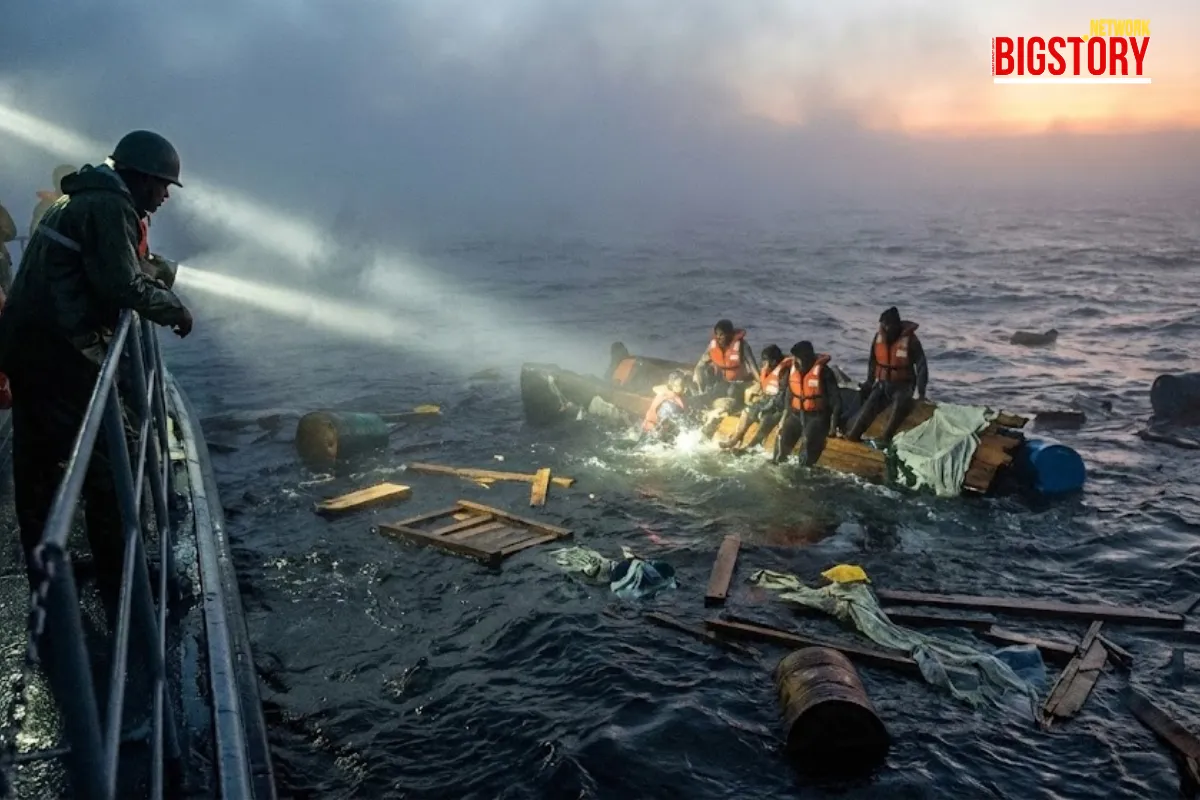
For the first time since World War II, an American submarine has sent an enemy surface combatant to the bottom of the ocean. In the early hours of March 4, 2026, the Iranian Moudge-class frigate IRIS Dena was transiting international waters roughly 40 nautical miles south of Galle, Sri Lanka. Without warning, a single American Mark 48 heavyweight torpedo struck the vessel's keel. Infrared footage released by the Pentagon shows the catastrophic impact instantly snapping the warship's spine, sending it into the depths before rescue vessels could even arrive on the scene.

This matters because it shatters the geographical boundaries of the current conflict. The U.S.-Iran war is no longer contained to the Middle East. By hunting and destroying an Iranian warship in the busy commercial sea lanes of the Indian Ocean, the United States is enforcing a doctrine of total maritime dominance. The strike sends a chilling message to Tehran: there is no safe harbor, and American attack submarines operate with lethal impunity across the globe.

The "BigStory" Angle (The "Neutral Territory" Violation & AI Sonar)

Mainstream defense coverage is focusing heavily on the sheer explosive power of the Mark 48 torpedo. They are missing the intense diplomatic friction surrounding the "Neutral Territory" Violation.

The IRIS Dena was not actively engaged in combat; it was returning home after participating as a guest in India's MILAN 2026 multilateral naval exercises in Visakhapatnam. International legal experts are currently debating whether sinking a ship returning from a friendly diplomatic mission, while it transits a neutral nation's Exclusive Economic Zone (EEZ) perimeter, breaches the unwritten norms of maritime warfare. Iran is already leveraging this, framing the attack as a lawless "atrocity at sea."

Furthermore, watch the Acoustic Fingerprinting angle. The waters south of Sri Lanka are some of the most congested commercial shipping lanes on earth. To execute this strike without hitting a civilian freighter, the U.S. submarine reportedly utilized AI-enhanced passive sonar. This technology allowed the sub's combat system to isolate the highly specific acoustic signature of the Dena's propellers against the overwhelming background noise of the Indian Ocean, enabling a surgical kill shot without ever revealing the submarine's position.

The Context (Rapid Fire)

  • The Trigger: The U.S. launched Operation Epic Fury on February 28, targeting Iranian military infrastructure after the failure of nuclear non-proliferation talks in Geneva.
  • The Backstory: The IRIS Dena spent late February docked in India for the MILAN 2026 exercises. It departed Indian waters on February 25, just days before the outbreak of open hostilities.
  • The Escalation: The sinking brings the total number of Iranian vessels destroyed by U.S. forces to 17, as CENTCOM aggressively pursues its stated objective of annihilating the Iranian Navy.

Key Players (The Chessboard)

  • Pete Hegseth (The Commander): The U.S. Secretary of Defense who bluntly confirmed the sinking at a Pentagon briefing, stating the Iranian ship "thought it was safe in international waters. Instead, it was sunk by a torpedo."
  • Abbas Araghchi (The Diplomat): Iran's Foreign Minister, who strongly condemned the unprovoked targeting of a vessel returning from a diplomatic mission, warning that the U.S. will "bitterly regret" the precedent.
  • Buddhika Sampath (The Rescuer): Spokesperson for the Sri Lankan Navy, which was thrust into the middle of a superpower conflict as they coordinated the massive, ongoing search and recovery operation out of Galle.

The Implications (Your Wallet & World)

  • Short Term (Maritime Logistics): Commercial shipping companies are panicking. If you have maritime assets in the Indian Ocean, expect immediate rerouting directives. Cargo vessels are actively diverting away from the southern coast of Sri Lanka to avoid being caught in the crossfire of active submarine hunting zones.
  • Long Term (UN Security Council): Watch for an emergency session at the UN Security Council scheduled for March 7. Iran is expected to file a formal protest regarding the "extra-territorial" strike, testing whether global powers like China or Russia will condemn the U.S. expansion of the war zone.

The Closing Question

The U.S. argues that during wartime, an enemy warship is a legitimate target anywhere on the globe. Critics argue that sinking a ship returning from a friendly exercise in a neutral economic zone sets a dangerous, lawless precedent. Which side is right? Tell us in the comments.

FAQs

  • Q: Did a US submarine sink an Iranian ship in March 2026?
  • A: Yes. On March 4, 2026, a U.S. Navy submarine fired a torpedo and sank the Iranian frigate IRIS Dena in international waters off the coast of Sri Lanka.
  • Q: What is the Mark 48 torpedo used to sink the IRIS Dena?
  • A: The Mark 48 is an advanced, heavyweight acoustic-homing torpedo used by U.S. submarines. It is designed to detonate underneath the keel of a ship, creating a massive gas bubble that snaps the vessel's structural spine.
  • Q: Is it legal to sink a warship in international waters during a conflict?
  • A: Under the laws of armed conflict, enemy warships are generally considered legitimate military targets anywhere outside the territorial waters of neutral states. However, the strike's proximity to Sri Lanka and the ship's non-combat status have sparked intense international debate.
  • Q: How many people died in the IRIS Dena sinking?
  • A: As of March 5, Sri Lankan authorities have recovered 87 bodies and rescued 32 survivors. Approximately 60 personnel from the estimated 180-member crew remain missing.

Sources:


Brajesh Mishra
Brajesh Mishra Associate Editor

Brajesh Mishra is an Associate Editor at BIGSTORY NETWORK, specializing in daily news from India with a keen focus on AI, technology, and the automobile sector. He brings sharp editorial judgment and a passion for delivering accurate, engaging, and timely stories to a diverse audience.

BIGSTORY Trending News! Trending Now! in last 24hrs

The "False Flag" Defense: Why Iran is Blaming Israel for the Attack on Azerbaijan
International News
The "False Flag" Defense: Why Iran is Blaming Israel for the Attack on Azerbaijan
A "Quiet Death": Inside the Historic Submarine Strike That Split the IRIS Dena
International News
A "Quiet Death": Inside the Historic Submarine Strike That Split the IRIS Dena
The "Dismantled Cell" Factor: Why Iran’s Missile Strike on Qatar Was an Inside Job
International News
The "Dismantled Cell" Factor: Why Iran’s Missile Strike on Qatar Was an Inside Job
The "Discord Democracy": How Gen Z Just Rewrote Nepal's Political Future
International News
The "Discord Democracy": How Gen Z Just Rewrote Nepal's Political Future