As the clock ticks down on Donald Trump's 48-hour deadline, Tehran vows to plunge the Middle East into darkness and sever the region's drinking water if the US military strikes Iranian infrastructure.
 Sseema Giill
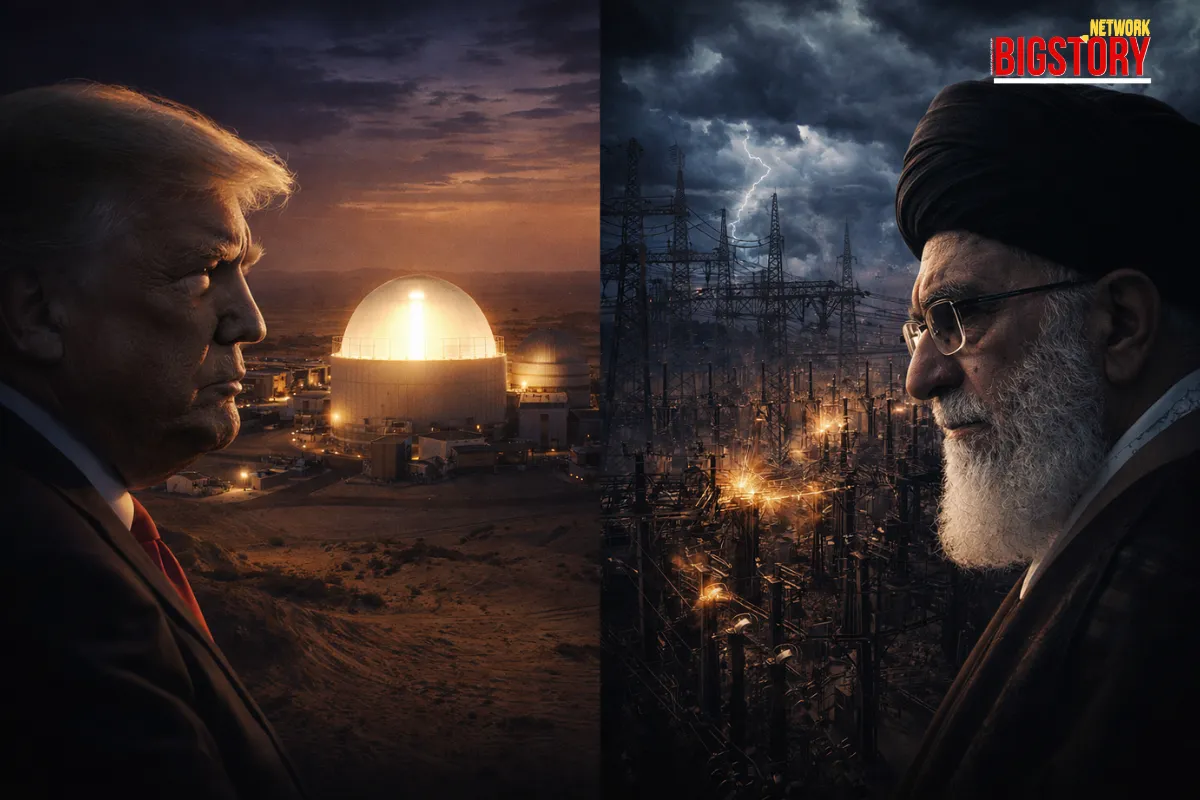
What happened: Iran threatened to "irreversibly destroy" power grids, desalination plants, and the UAE's nuclear facility if the US attacks Iranian infrastructure.
Why it happened: US President Donald Trump issued a 48-hour deadline threatening to "obliterate" Iran's largest power plants unless Tehran fully reopens the Strait of Hormuz to international shipping.
The strategic play: Iran is utilizing a scorched-earth deterrence strategy, threatening to cut off electricity and drinking water for America's Gulf allies to force Washington to back down from its bombing threats. India's stake: If Gulf refineries and desalination plants are destroyed, India's recent diplomatic deals to secure oil will be rendered useless, and millions of Indian expatriates in the UAE and Saudi Arabia will be left stranded without drinking water.
The deciding question: Will Trump walk back his 48-hour ultimatum, or are we hours away from a strike that could trigger a radioactive disaster and the collapse of the Middle Eastern energy grid?
The standoff in the Middle East has just escalated from a damaging maritime blockade to a terrifying threat of regional annihilation. On Monday, Iran's Islamic Revolutionary Guard Corps (IRGC) and central operational command publicly vowed to strike power plants and water desalination facilities across the Persian Gulf if the United States follows through on its latest threats.
Alarmingly, the retaliatory target list published by Iranian state media specifically includes the UAE's Barakah nuclear power plant. This apocalyptic counter-threat comes as the clock rapidly winds down on US President Donald Trump's 48-hour ultimatum to bomb Tehran's power grid, placing the entire global energy market and millions of civilian lives directly in the crosshairs of a scorched-earth war.
Donald Trump, President of the United States President Trump ignited the current infrastructural standoff by placing a "48-hour ticking time bomb" over the region. Facing extreme domestic pressure over soaring gas prices and a resignation of the US National Counterterrorism Center director, Trump explicitly threatened to wipe out Iran's civilian power grids to force the reopening of the Strait of Hormuz.
Islamic Revolutionary Guard Corps (IRGC) / Khatam al-Anbiya Iran's operational command has dramatically shifted its strategy from maritime harassment to threatening apocalyptic regional damage. They have publicly vowed to target energy sites supplying US bases and infrastructures where "Americans have shares," ensuring maximum collateral damage to Washington's allies.
Gulf Arab States (UAE, Saudi Arabia, Bahrain, Qatar) America's regional neighbors are caught directly in the crossfire. These desert nations interconnect their power grids heavily with massive desalination plants. An Iranian strike on these facilities wouldn't just cut the lights; it would instantly and catastrophically sever the drinking water supply for millions of civilians.
Global media is understandably panicking over the potential destruction of the UAE's Barakah nuclear plant, the terrifying prospect of radioactive fallout, and the International Energy Agency's stark warning of the "worst global energy crisis in decades."
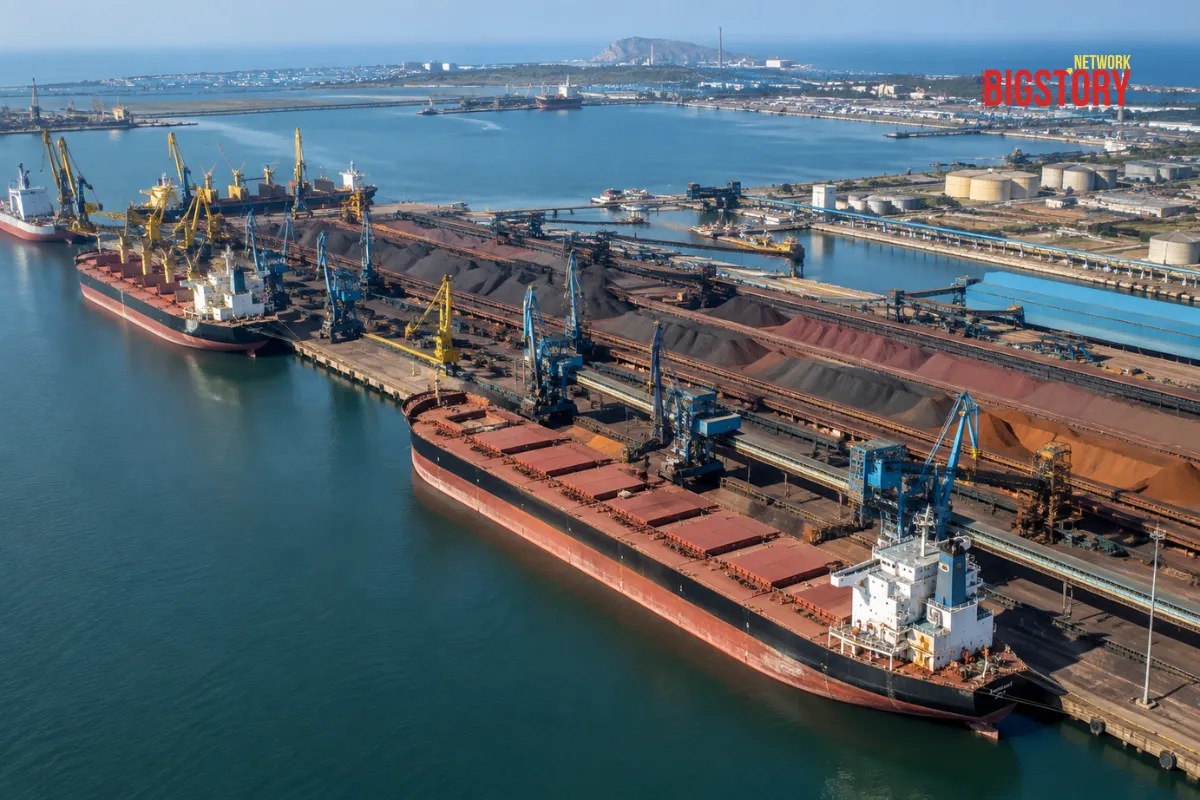
However, the localized catastrophe for New Delhi is the sudden evaporation of its hard-fought diplomatic victories. Just hours ago, India was celebrating the safe transit of its LPG carriers (Jag Vasant and Pine Gas) through the Strait of Hormuz via intensive back-channel diplomacy with Tehran. But if Iran makes good on its threat to obliterate Saudi and Emirati refineries, power grids, and export terminals, a diplomatic safe passage agreement won't matter because there will be no oil or gas left to buy. A scorched-earth energy war in the Gulf will instantly neutralize India's multi-alignment strategy, crashing the country's strategic reserves and triggering catastrophic domestic inflation.
If the 48-hour clock strikes zero, will the United States risk a regional nuclear disaster just to reopen a single shipping lane?
News & Wire Coverage:
Official Statements & Data:
 Exclusive Content






Sign up for the Daily newsletter to get your biggest stories, handpicked for you each day.



 Trending Now! in last 24hrs