Outbidding fierce competition, India's largest private port operator secures a critical ₹982 crore foothold in the state-owned Paradip Port, reshaping the logistics nerve center for eastern India's heavy manufacturing renaissance.
 Brajesh Mishra
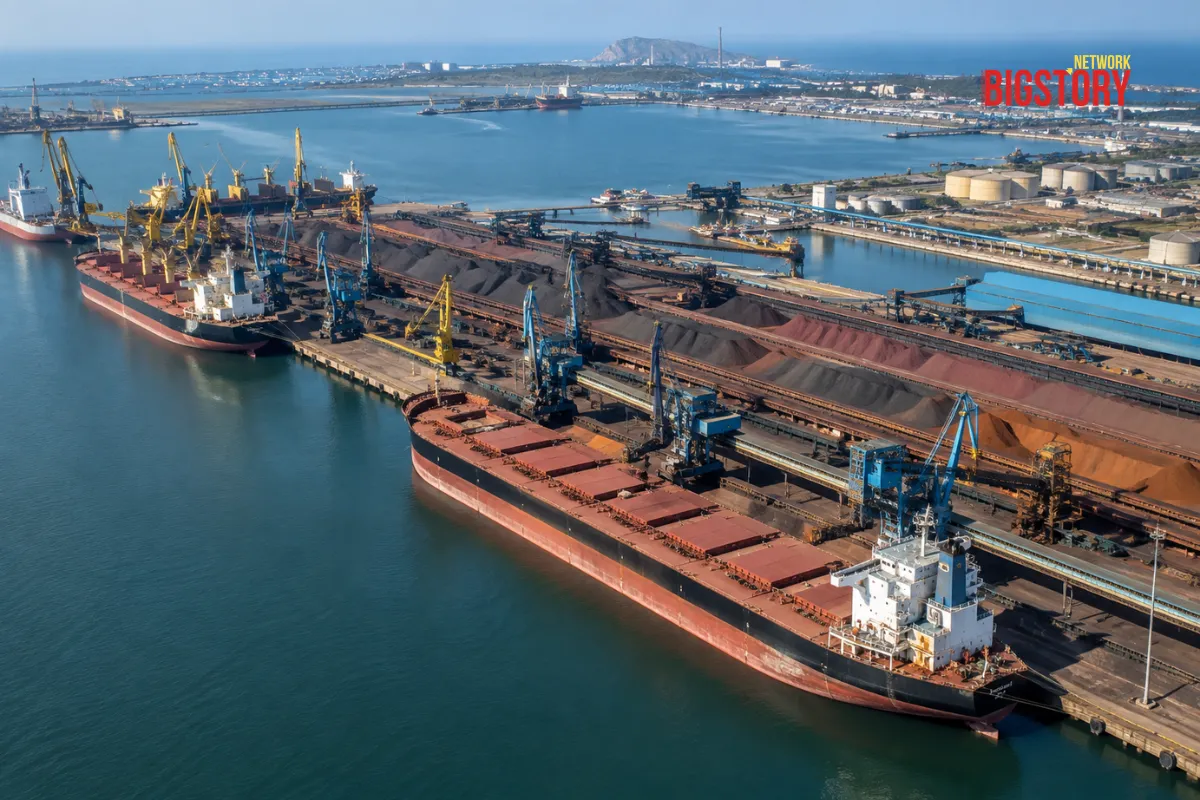
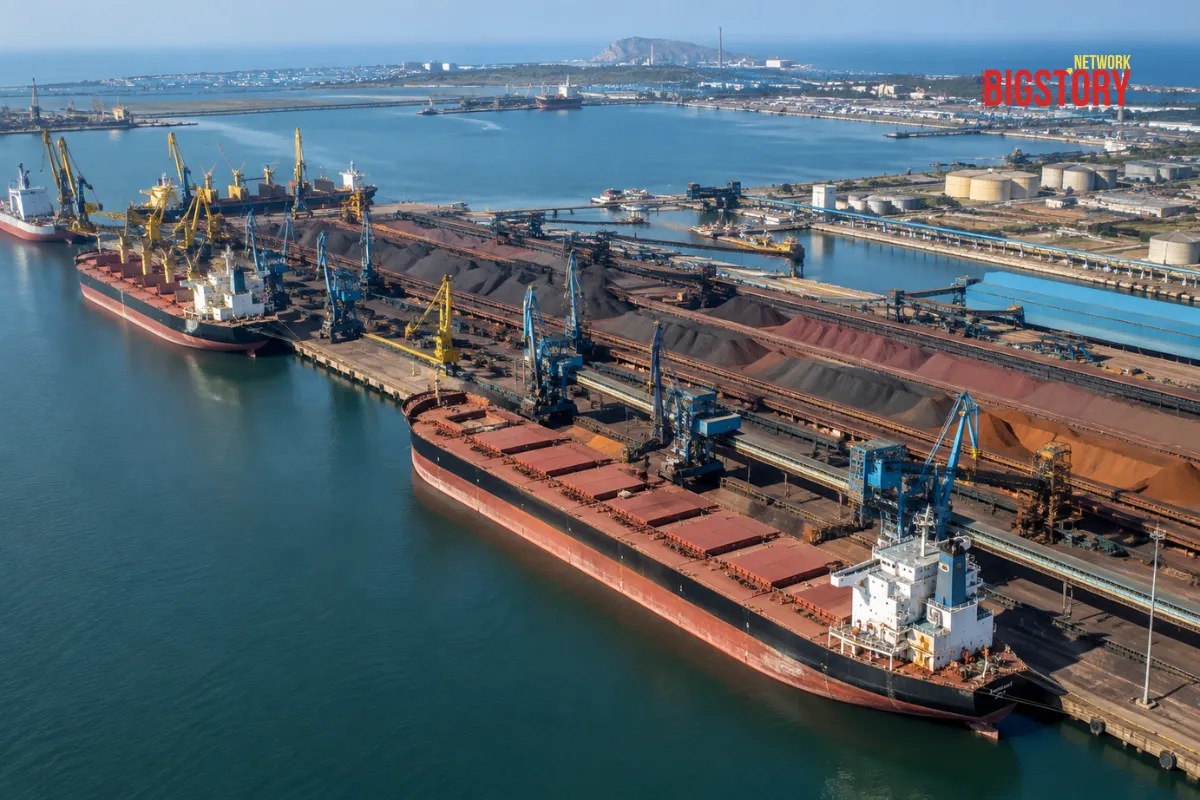
• What happened: Adani Ports and Special Economic Zone Ltd (APSEZ) has successfully secured a 30-year concession contract to develop, mechanize, and operate two dry bulk berths (CQ-I and CQ-II) at Paradip Port in Odisha.
• The infrastructure upgrade: Backed by an estimated capital outlay of ₹981.96 crore, the Build, Operate, and Transfer (BOT) project will inject an additional 18 Million Metric Tonnes (MMT) of dry bulk handling capacity into APSEZ's portfolio.
• The competitive edge: To secure the lucrative concession, APSEZ outbid major competitors like Essar Ports and Jindal Steel by aggressively quoting a royalty price of ₹122.3 per metric tonne.
• The strategic play: This acquisition gives APSEZ a direct foothold in India's second-largest major port, allowing the conglomerate to monopolize high-margin "sticky" cargo like coal and limestone flowing from the mineral-rich hinterlands of eastern and central India.
• The aftermath: The market responded favorably to the strategic infrastructure play, with APSEZ shares climbing nearly 4.5% to hit an intraday high of ₹1,785.50 immediately following the announcement.
Adani Ports and Special Economic Zone Ltd (APSEZ) has executed a major strategic expansion along India’s eastern seaboard, fundamentally altering the competitive landscape of maritime logistics. On Wednesday, September 9, 2026, the company announced that it has successfully secured a 30-year concession contract to develop and operate two highly lucrative dry bulk berths at Paradip Port in Odisha.
The nearly ₹982 crore project marks APSEZ's first direct operational entry into the state-owned Paradip Port—which stands as India's second-largest port by cargo volume. The development underscores the rapidly accelerating pace of private capital influx into India’s critical maritime infrastructure and represents a significant consolidation of corporate logistics power along the mineral-rich East Coast corridor.
The official Letter of Award (LoA) from the Paradip Port Authority hands APSEZ control over the development and operation of the CQ-I and CQ-II dry bulk berths. The 30-year contract will be meticulously executed on a Build, Operate, and Transfer (BOT) basis under the Public-Private Partnership (PPP) model.
This infrastructure upgrade is monumental for regional capacity. The project will inject an additional 18 Million Metric Tonnes (MMT) of mechanized dry bulk handling capability into APSEZ's massive portfolio, elevating the company’s total domestic operational capacity from 653 MMT to 671 MMT.
Backed by an estimated capital outlay of ₹981.96 crore, APSEZ is preparing to deploy state-of-the-art mechanized cargo handling systems, deep-draft berths capable of accommodating massive bulk carriers, and a sprawling 400,000 square meter storage facility designed specifically for raw industrial materials.
.webp)
The acquisition at Paradip highlights a fiercely competitive landscape for lucrative maritime assets linked directly to industrial production. To secure the concession, APSEZ outbid established heavyweights like Essar Ports and Jindal Steel by quoting a highly aggressive royalty price of ₹122.3 per metric tonne.
This premium is justified by Paradip's geographic positioning. The port serves as a vital maritime gateway to the mineral-rich hinterlands of eastern and central India—primarily the industrial belts of Odisha, Jharkhand, and Chhattisgarh. The newly mechanized berths will primarily handle critical dry bulk commodities such as coal and limestone, feeding directly into the region's massive steel and power manufacturing clusters.
Investors immediately recognized the long-term revenue potential of the deal. The stock market responded exceptionally well to the infrastructure play, with APSEZ shares climbing nearly 4.5% to hit an intraday high of ₹1,785.50 on Wednesday following the formal announcement. 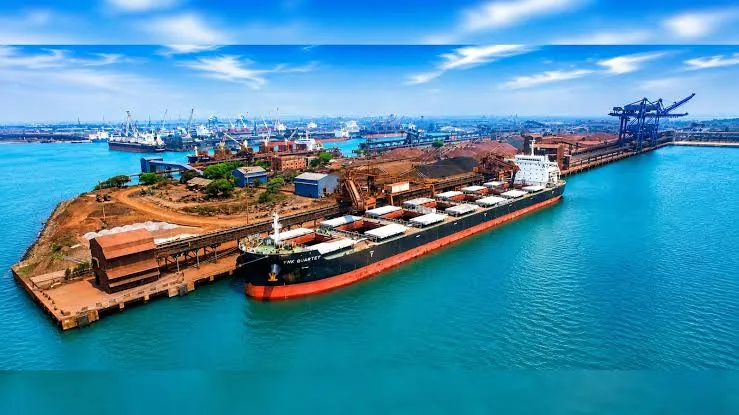
While standard financial analysis focuses on the 18 MMT capacity boost, the "Missed Angle" here is how this single concession accelerates a broader geopolitical and logistical shift in India's macro-maritime trade.
Historically, India's western ports (such as Mundra) have heavily dominated cargo volumes due to their proximity to Middle Eastern and European markets. However, the future of India's heavy industrial growth—and the insatiable domestic demand for raw materials like thermal coal and iron ore—is increasingly concentrated in the East.
By securing a firm operational foothold inside Paradip Port, APSEZ now controls a contiguous, unbroken string of 16 ports and terminals across India's 11,000-km coastline. This strategic move effectively corners the East Coast's bulk logistics market, securing high-margin, "sticky" cargo volumes from captive heavy industries.
Ultimately, this bold acquisition practically guarantees that Adani will hit its aggressive corporate roadmap of achieving a staggering 1 billion-tonne cargo throughput by 2030. Simultaneously, it transforms Odisha into the undisputed logistics nerve center for eastern India's heavy manufacturing renaissance, locking competitors out of the region's most critical maritime choke point.
 Exclusive Content






Sign up for the Daily newsletter to get your biggest stories, handpicked for you each day.



 Trending Now! in last 24hrs