Confronting charges of "moral ambiguity" at a high-profile forum in Finland, India's External Affairs Minister turns the geopolitical tables by contrasting New Delhi's clean record with the West's historic defense exports.
 Sseema Giill
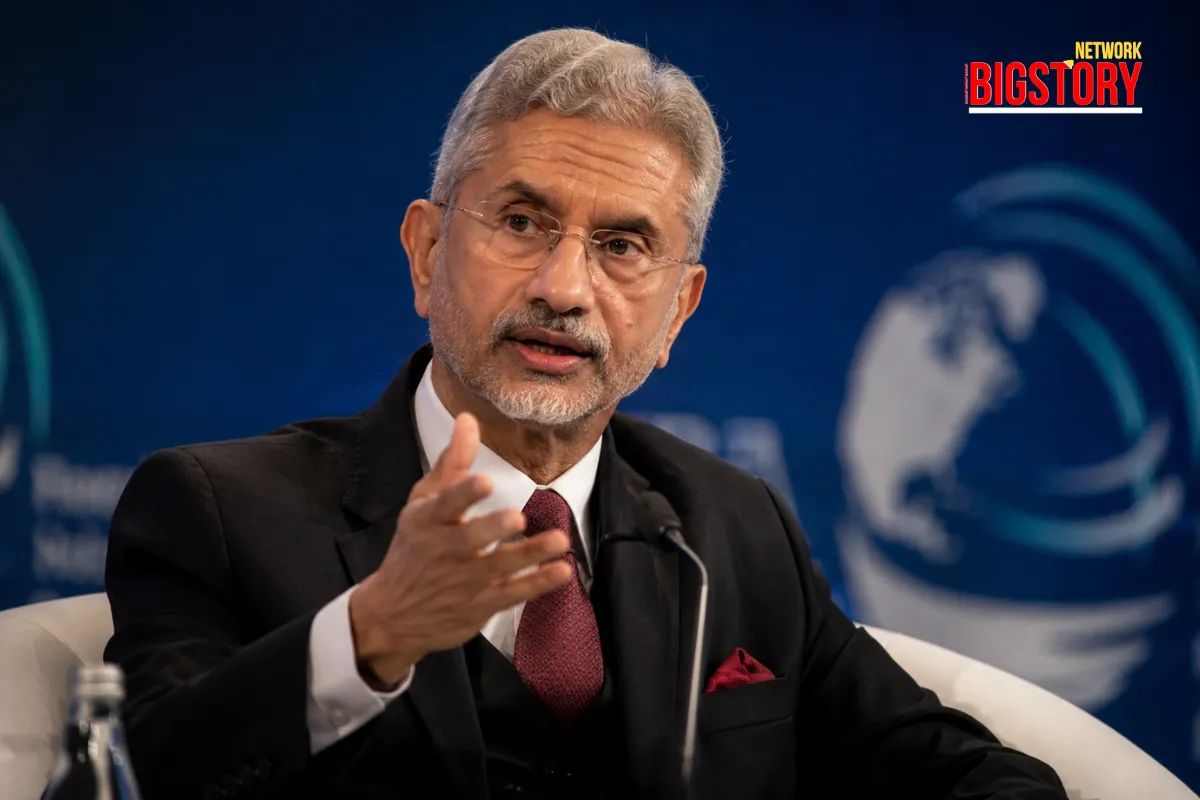
• What happened: External Affairs Minister S. Jaishankar delivered a scathing counter-offensive against European critics during the Kultaranta Talks in Finland, shutting down allegations of "moral ambiguity" surrounding India’s purchase of Russian crude.
• The weapon counter-charge: Responding to claims that India is too sympathetic to Moscow, Jaishankar exposed the hypocrisy of the West by reminding the panel that European-manufactured weapons have historically been used to attack India, while Indian weapons have never threatened Europe.
• The oil squeeze mechanics: Jaishankar reiterated that India's imports are based strictly on cost and availability, noting that New Delhi was pushed toward Russia after European nations monopolized Middle Eastern oil channels to cut off their own dependencies.
• The Washington disclosure: In a major revelation, the minister disclosed that the US itself explicitly requested India to purchase Russian crude in 2022 to stabilize chaotic global energy markets, blasting the "on, off" inconsistency of Western sanction policies.
• The deciding question: As Russia continues to serve as India's top supplier at just under 40% of its imports, will this public teardown of Western double standards permanently cement New Delhi's framework of absolute strategic autonomy?
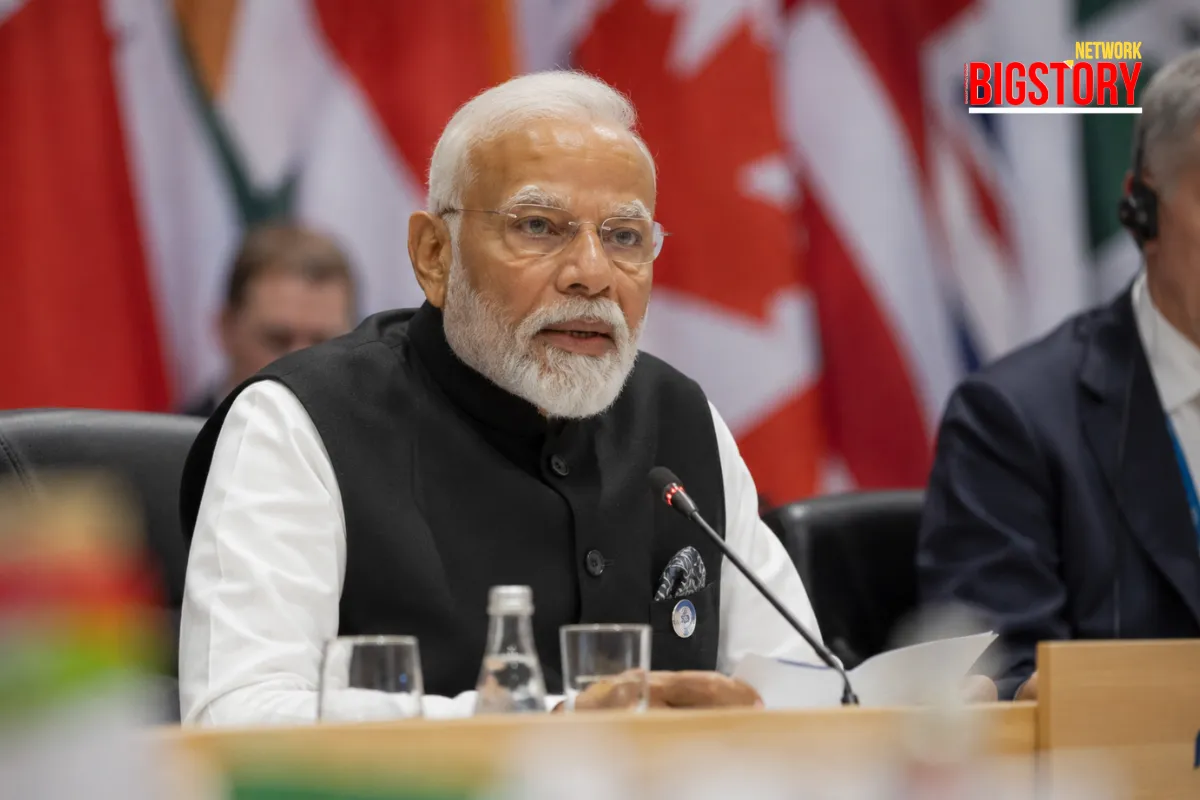
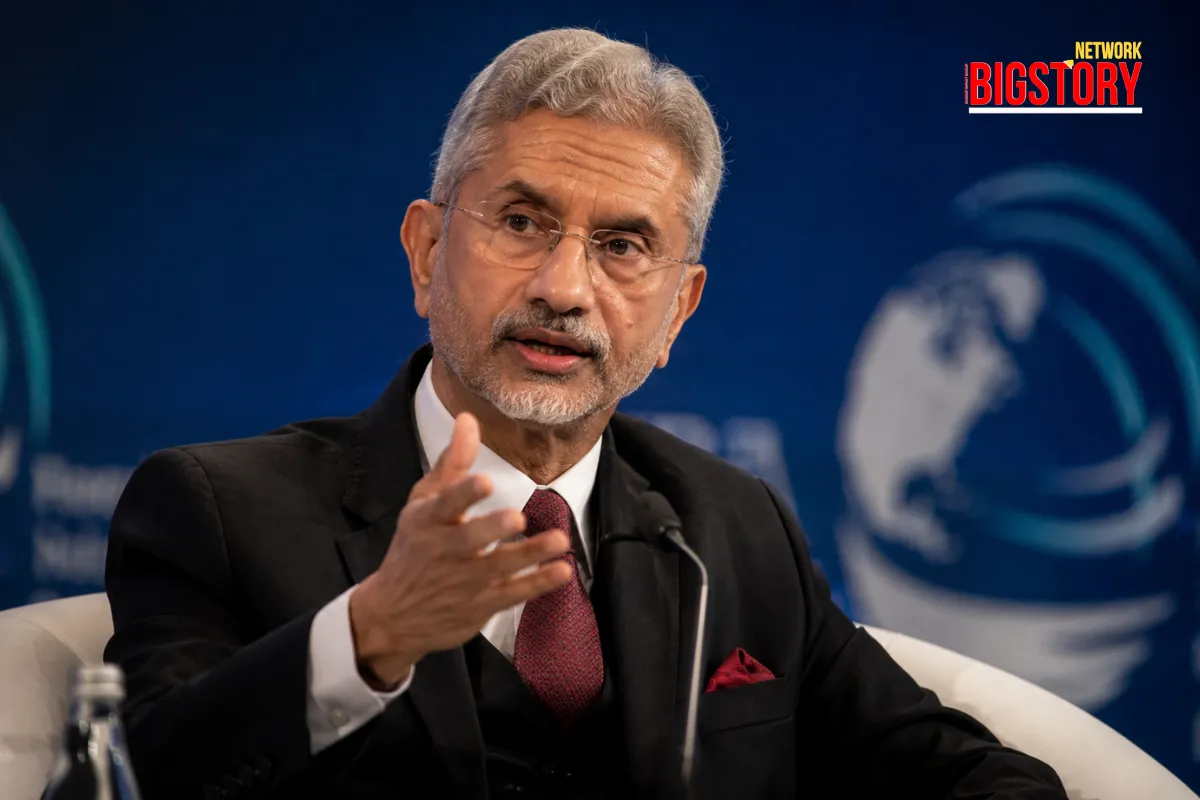
India's doctrine of strategic autonomy has transitioned from a defensive balancing act into an aggressive diplomatic counter-offensive. Speaking on Thursday, June 11, 2026, at the prestigious Kultaranta Talks in Finland, External Affairs Minister S. Jaishankar delivered a sharp, multi-layered rebuttal to persistent European criticism regarding India's large-scale purchase of Russian crude oil.
Participating on a high-stakes panel titled "Emerging Powers and the New Geopolitical Competition," Jaishankar systematically dismantled the West's claims of "moral ambiguity." Instead of offering standard diplomatic platitudes, the minister turned the tables by targeting Europe’s historical defense export record.
"No European country has been attacked with Indian weapons," Jaishankar stated flatly, exposing a deep historical asymmetry. "I wish I could say that for European weapons vis-a-vis India... Europeans sell weapons, which are used to attack India, not now, but for many years."
Emphasizing that India has maintained an entirely clean record that has never endangered European security, Jaishankar described his counter-charge as a completely reasonable point that Western critics consistently choose to ignore when evaluating South Asian security alignments.
Jaishankar firmly reiterated that New Delhi’s decision to continue importing Russian crude is a matter of practical economic necessity and domestic welfare, completely unlinked to global ideological proxy wars. India buys its energy strictly through the lens of cost and availability.
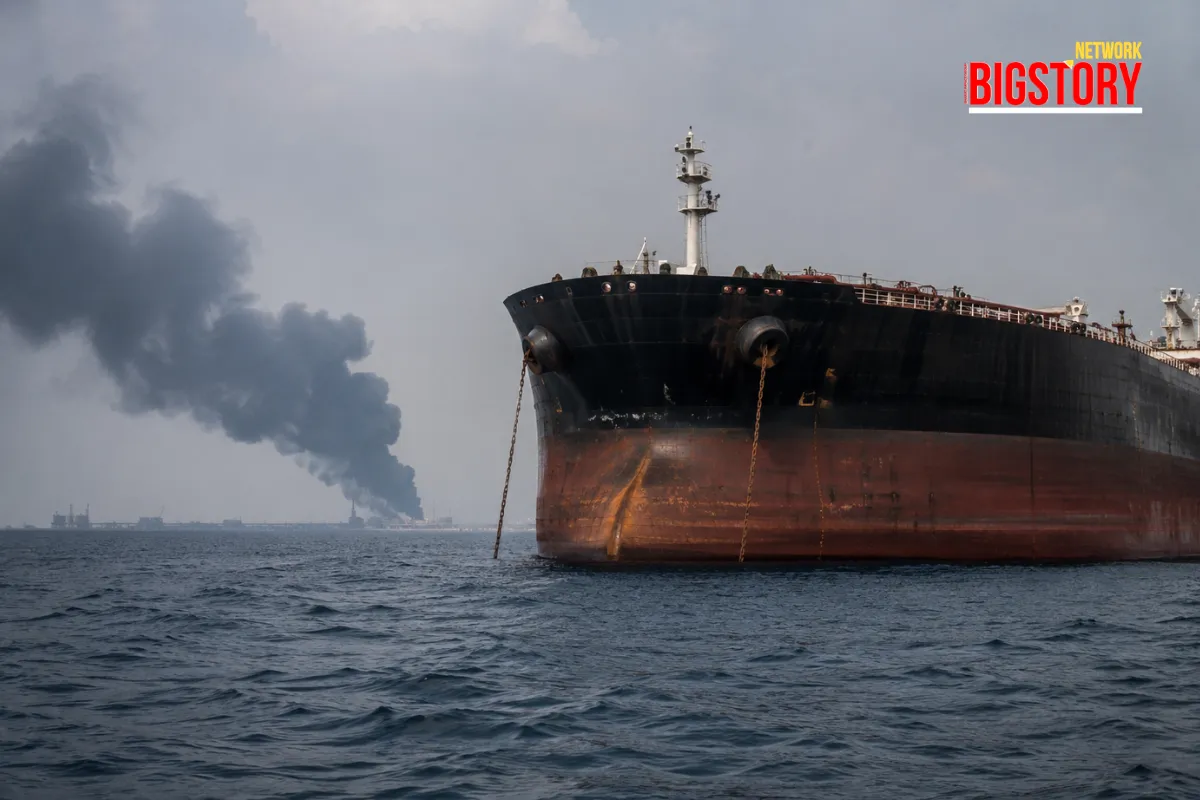
Following the outbreak of the Ukraine conflict in 2022, the sudden disruption of traditional energy pipelines left massive quantities of Russian crude on the open market. Jaishankar reminded the European audience that Western behavior itself dictated India's trajectory. When European nations suddenly cut themselves off from Moscow, they rapidly bought up alternative oil supplies from the Middle East—which had served as India's traditional, long-term energy supplier.
This massive purchasing shift effectively priced out or squeezed traditional buyers, forcing India to look elsewhere to protect its domestic population from catastrophic inflation. While India imported negligible amounts of Russian oil prior to 2022, Russia has now stabilized as the country's largest single supplier, reliably accounting for slightly less than 40% of India's total oil imports.
While international defense analysts frequently hyper-fixate on India's defiance of Western consensus, the "Missed Angle" exposed by Jaishankar is the blatant structural inconsistency—and hidden coordination—underpinning the entire Western sanctions regime.
In a highly significant disclosure, Jaishankar revealed that the United States government itself had previously encouraged India to maintain its intake of Russian crude behind closed doors. In 2022, following the initial shock of Western sanctions, Washington specifically requested New Delhi to continue buying Russian oil to act as a vital safety valve to stabilize roaring global energy markets and prevent an international economic collapse.
By pulling back the curtain on this request, Jaishankar exposed the performative nature of the public pressure applied by European capitals. He openly lambasted the "on, off, on, off" nature of US economic policy, noting that Washington initially penalized India with tariffs for these exact transactions before quietly reversing course when global supplies plummeted.
"Let's not pretend that there is some great principle involved here," Jaishankar remarked caustically. This public dressing-down signals that India is no longer willing to tolerate public Western moralizing over an energy crisis that the West engineered, funded, and continues to manage through back-door maneuvers.
• Ministry of External Affairs (MEA India): Official Transcripts, Bilateral Dialogue Portals, and Minister's Speech Archives
• The Hindu: National Bureau, Global Diplomatic Correspondents, and Strategic Realignment News
• The Indian Express: Delhi Bureau, International Energy Desks, and Geopolitical Analysis Briefs
• Reuters: Global Commodity Markets, Western Sanctions Trackers, and European Energy Trade Reports
 Exclusive Content


Sign up for the Daily newsletter to get your biggest stories, handpicked for you each day.

 Trending Now! in last 24hrs