Following a deadly four-day campaign off the coast of Oman, New Delhi delivers its strongest diplomatic rebuke to Washington yet, demanding an immediate end to military strikes that target civilian maritime workers.
 Sseema Giill

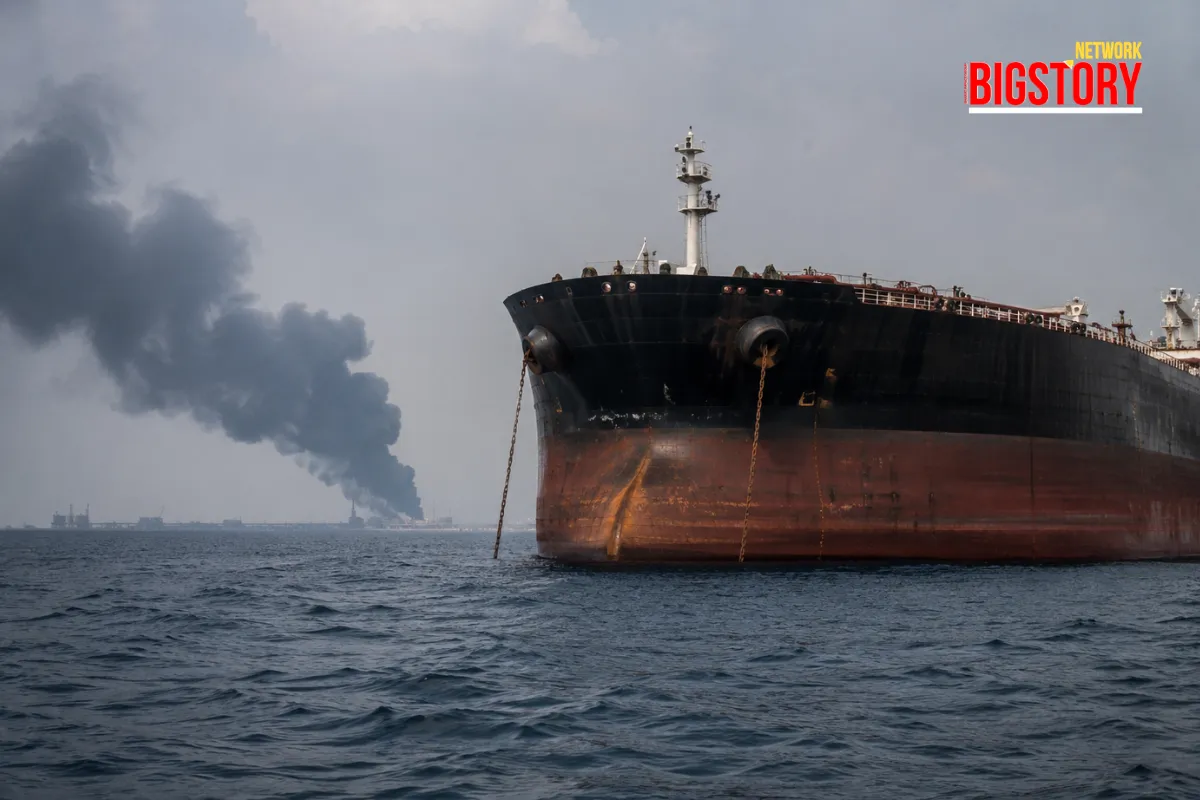
• What happened: India has publicly confirmed that the U.S. Navy attacked three foreign-flagged merchant vessels—Marivex, Settebello, and Jalveer—carrying Indian crews off the coast of Oman between June 8 and June 11, 2026.
• The human cost: The strike on the MT Settebello resulted in the tragic deaths of three Indian sailors. The Seamen Welfare Fund Society has been directed to pay an ex gratia of ₹10 lakh to the grieving families.
• The U.S. justification: The U.S. Central Command claims the vessels were targeted for violating an ongoing naval blockade by attempting to transport sanctioned Iranian crude oil and repeatedly refusing to comply with military directions.
• The diplomatic retaliation: The Ministry of External Affairs (MEA) summoned U.S. Chargé d'Affaires Jason Meeks to deliver a formal demarche, firmly demanding that Washington cease targeting commercial shipping and respect international navigation laws.
• The deciding question: With the U.S. military actively firing Hellfire missiles into civilian engine rooms to enforce economic sanctions, can New Delhi successfully shield its massive global seafaring workforce from becoming collateral damage in the Strait of Hormuz?
New Delhi has issued its strongest diplomatic rebuke to Washington yet, drawing a hard red line over the safety of its global seafaring workforce. In a stark escalation of geopolitical tensions, India publicly acknowledged that the U.S. Navy deliberately targeted three foreign-flagged merchant vessels carrying Indian crews off the coast of Oman over a highly volatile four-day period.
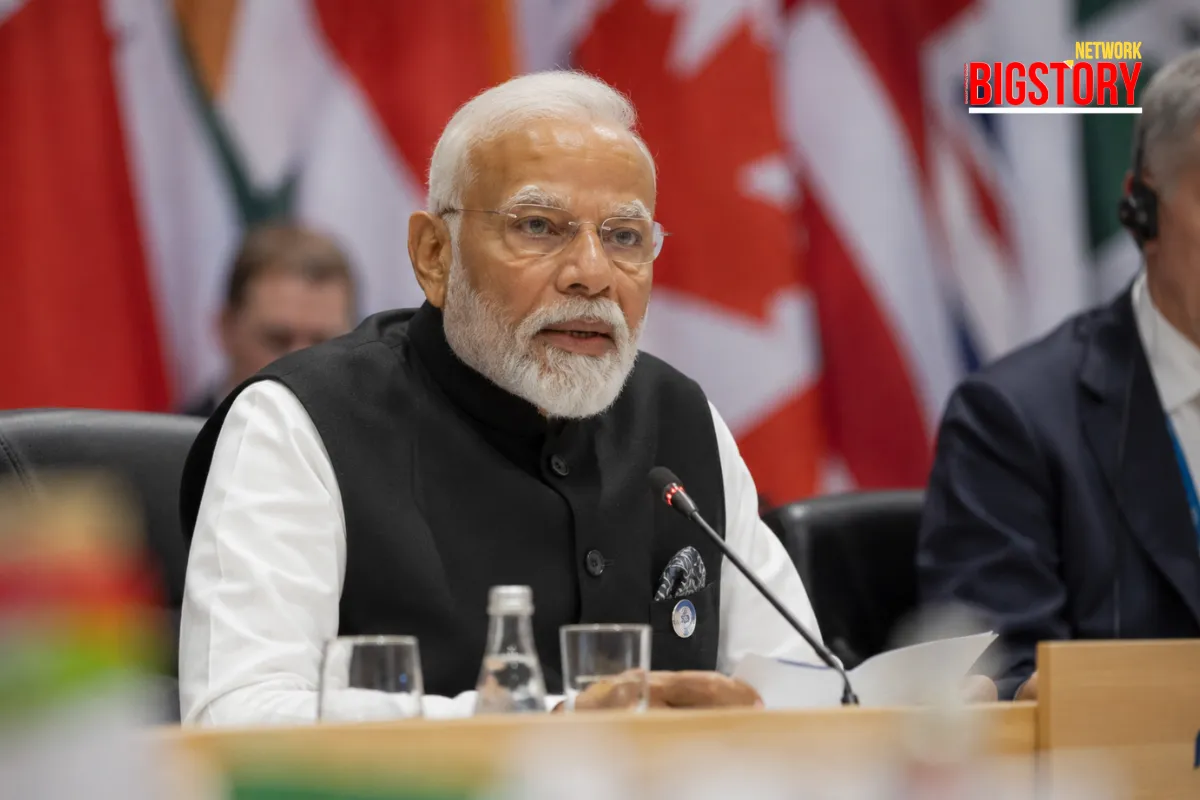
The attacks, which resulted in the deaths of three Indian nationals, prompted the Ministry of External Affairs (MEA) to summon a top U.S. diplomat and demand an absolute and immediate end to the strikes on civilian maritime infrastructure.
The sequence of military interceptions occurred between June 8 and June 11, 2026, as U.S. forces enforced a strict blockade aimed at cutting off Iranian oil export revenues.
The most devastating incident occurred aboard the MT Settebello. A U.S. aircraft fired precision munitions into the ship's engine room, leading to the first confirmed seafarer fatalities linked to the enforcement of Washington's blockade. To support the bereaved, the Indian government has directed the Seamen Welfare Fund Society to issue an ex gratia payment of ₹10 lakh to the family of each deceased sailor.
In the case of the MT Jalveer, the U.S. Central Command confirmed that an aircraft fired two Hellfire missiles directly into the bitumen tanker's engine room.
The U.S. Central Command justified the strikes by stating that the vessels were deliberately violating a naval blockade and attempting to transport Iranian oil. According to U.S. authorities, two of the targeted ships were explicitly subject to sanctions administered by the U.S. Treasury's Office of Foreign Assets Control (OFAC).
However, New Delhi has unequivocally rejected the premise that economic sanctions justify lethal military force against civilian transport workers. Following the deadly strike on the MT Settebello, the MEA summoned U.S. Chargé d'Affaires Jason Meeks, handing him a formal demarche to register a "strong protest".
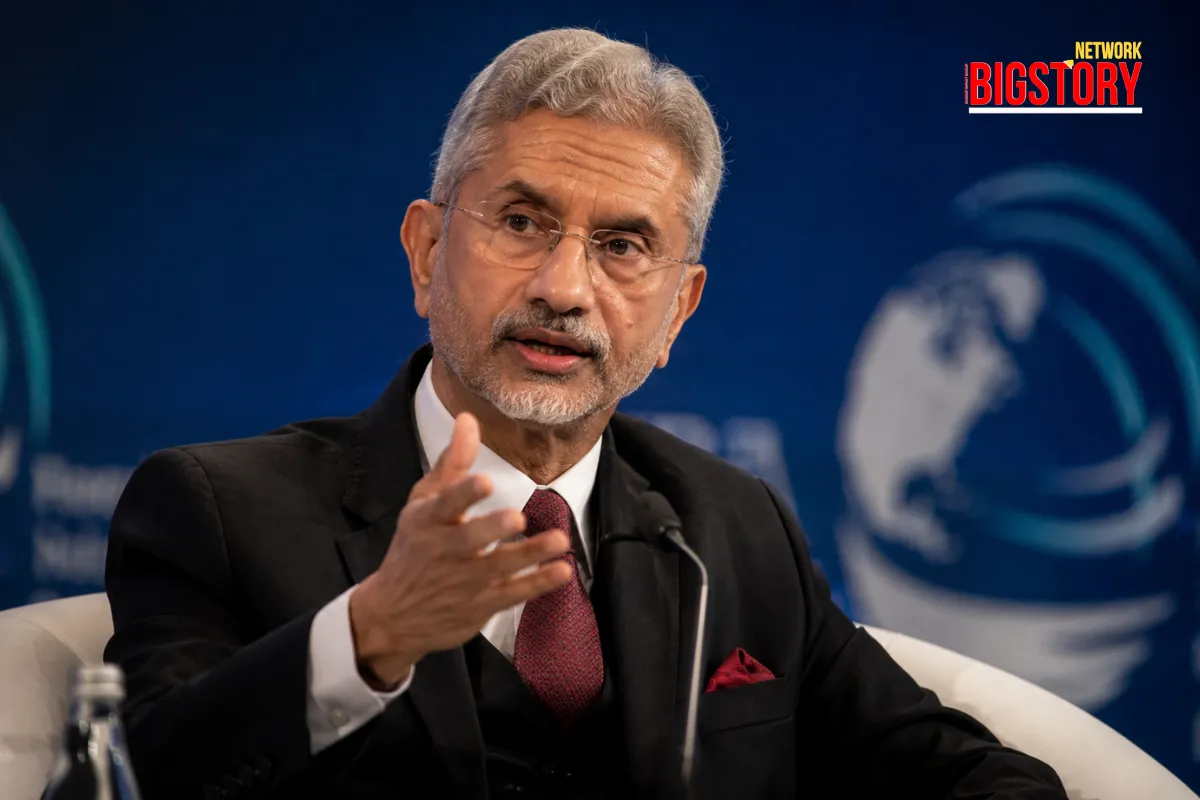
MEA spokesperson Randhir Jaiswal confirmed the strikes "came from the U.S. Navy" and asserted that the targeting of commercial shipping must cease immediately. India countered the U.S. narrative by stressing that dialogue and diplomacy are the only viable paths forward, demanding free and unimpeded navigation through the Strait of Hormuz in accordance with international law.
While Western analysts focus on the mechanics of the Iranian oil blockade, the "Missed Angle" here is the terrifying precedent set by the militarization of economic sanctions.
By utilizing Hellfire missiles to disable civilian engine rooms, the United States has effectively blurred the distinction between financial embargoes and active naval warfare. For India, which supplies a massive percentage of the global maritime workforce, this shift is unacceptable. Over 18,000 Indian seafarers currently operate in the volatile Gulf region.
New Delhi's fierce diplomatic reaction is not merely about three specific ships; it is a structural defense of its labor export economy. By summoning the U.S. envoy, India is signaling that it will not allow its civilian citizens to be treated as acceptable collateral damage in Washington's proxy conflicts.
• Ministry of External Affairs (MEA India): Official Transcripts, Press Briefings, and Demarche Notifications
• Ministry of Ports, Shipping and Waterways: Maritime Safety Bulletins and Seamen Welfare Fund Directives
• The Hindu: National Bureau, Geopolitics Desk, and Maritime Security Coverage
• Reuters: Global Commodity Markets, U.S. Central Command Updates, and Gulf Crisis Trackers
 Exclusive Content





Sign up for the Daily newsletter to get your biggest stories, handpicked for you each day.



 Trending Now! in last 24hrs