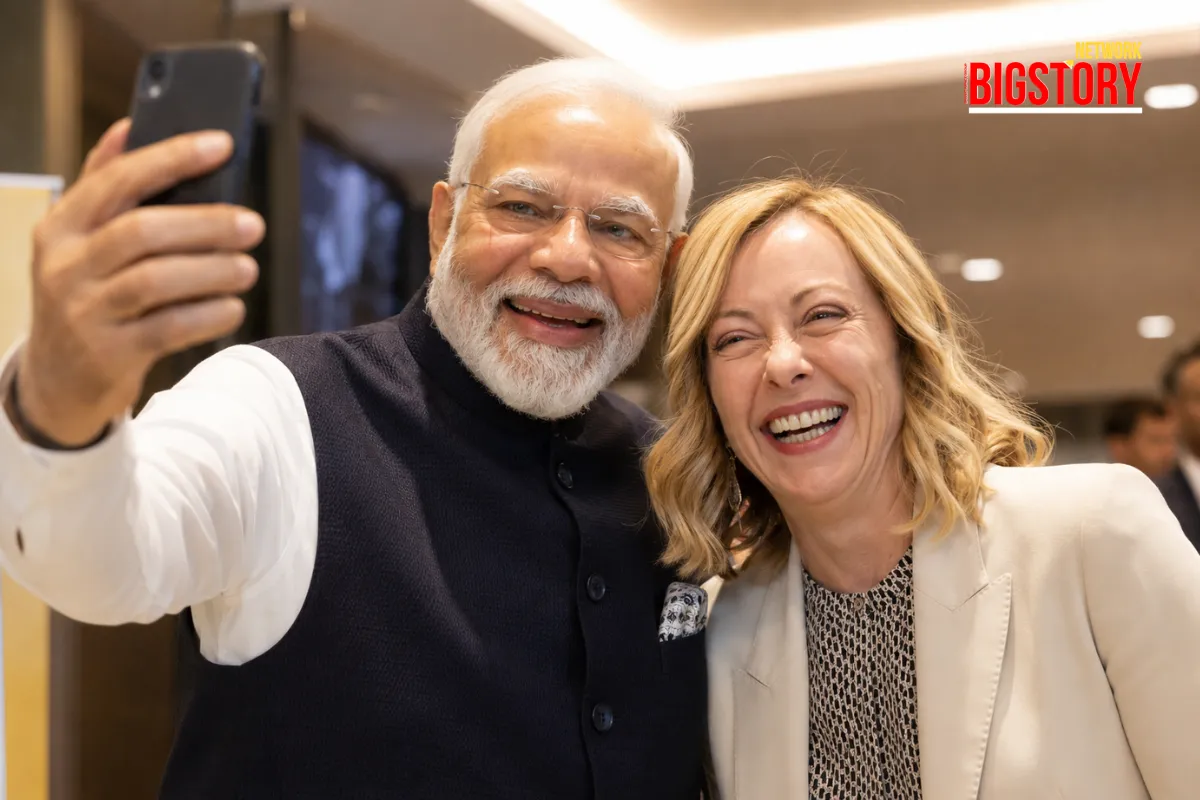
PM Modi declared India and Ethiopia "natural partners" in a historic address, elevating ties to a Strategic Partnership focused on security, tech, and $5B investment.
 Brajesh Mishra
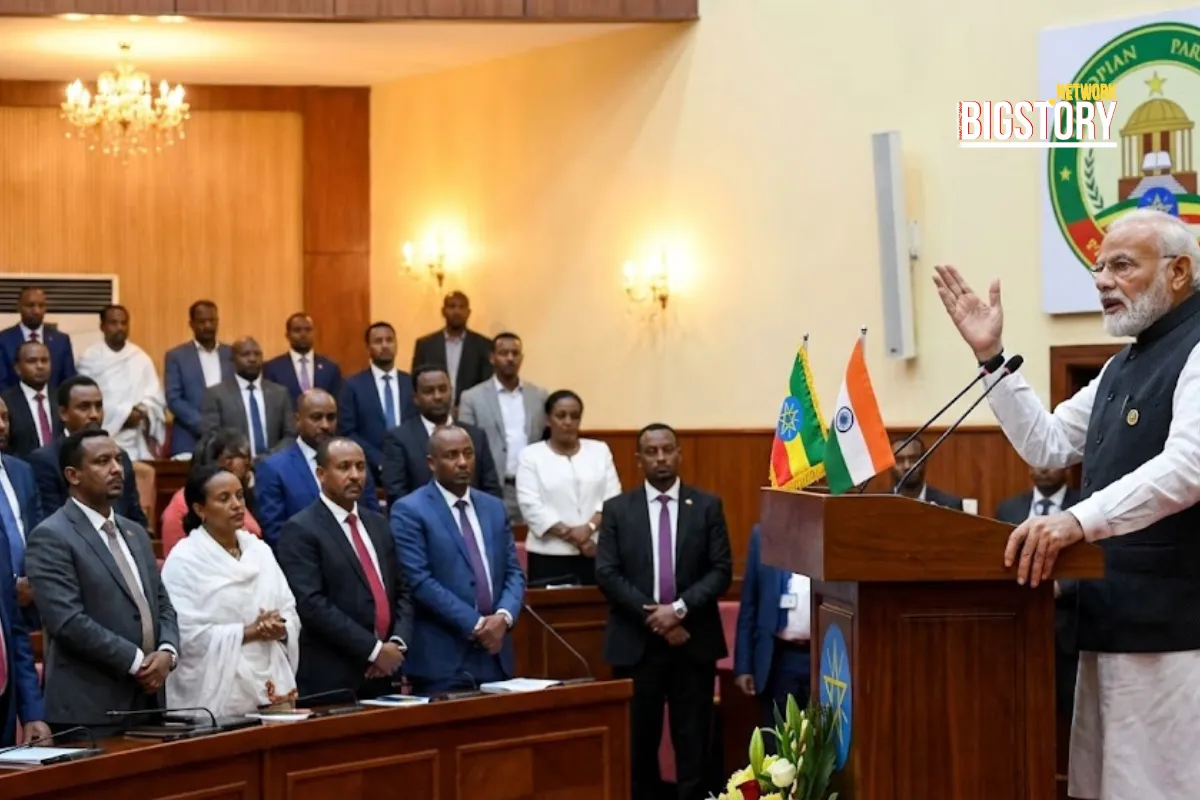
Addressing a Joint Session of the Ethiopian Parliament in Addis Ababa on December 17, 2025, Prime Minister Narendra Modi declared India and Ethiopia as "natural partners" in regional peace and security. The address marked the culmination of his maiden bilateral visit, during which the two nations formally upgraded their relationship to a "Strategic Partnership." Modi’s speech underscored the geopolitical synergy between India, the "heart of the Indian Ocean," and Ethiopia, the "crossroads of Africa," signaling a definitive shift in New Delhi's engagement with the Horn of Africa.
The strategic elevation follows months of groundwork, including the inaugural Joint Defence Cooperation (JDC) meeting in October 2025. Arriving on December 16 as part of a three-nation tour involving Jordan and Oman, Modi held extensive talks with Ethiopian Prime Minister Abiy Ahmed. The leaders signed critical agreements on customs cooperation, UN peacekeeping, and the establishment of a data center, cementing ties beyond mere trade. PM Abiy also conferred Ethiopia’s highest civilian honor, the 'Great Honour Nishan of Ethiopia', upon Modi, recognizing India’s pivotal role in supporting Ethiopia’s entry into the BRICS alliance.
While headlines celebrate "friendship," the deeper story is the "Debt vs. Equity" play. Unlike China’s infrastructure-heavy loan model that often leads to debt distress, India is pitching an "equity model"—driven by private sector investment ($5B+) and digital technology transfer. The MoU on debt restructuring signed during this visit is a subtle but powerful signal: India aims to be a financial stabilizer, not a predator. Furthermore, the "Strategic Partnership" is code for Red Sea Security. With Ethiopia seeking sea access and the Red Sea becoming a volatile chokepoint, India needs a stable anchor in the Horn of Africa to secure its western maritime flank.
This partnership creates a "technological lock-in" through the export of India's Unified Payments Interface (UPI) and data center infrastructure. By building Ethiopia's "digital brain," India ensures long-term diplomatic stickiness that concrete roads cannot provide. For Ethiopia, it offers a lifeline to modernize its economy without mortgaging its sovereignty. For the region, it introduces a new security architecture where the Indian Navy and Ethiopian interests align to keep trade routes open.
If India builds the digital backbone and the private sector jobs in Ethiopia, has New Delhi found a smarter way to win Africa than Beijing's billions in concrete?
Why did PM Modi call India and Ethiopia "natural partners"? PM Modi used the term "natural partners" to highlight the deep geopolitical synergy between the two nations. He noted that while India stands at the heart of the Indian Ocean, Ethiopia sits at the crossroads of Africa, making their cooperation essential for regional peace, security, and connectivity.
What agreements were signed during PM Modi's visit to Ethiopia in 2025? During the visit, India and Ethiopia signed several key agreements, including a roadmap for customs cooperation, a pact on UN peacekeeping training, an MoU for setting up a data center at Ethiopia's Foreign Ministry, and an agreement on debt restructuring.
What is the "Strategic Partnership" between India and Ethiopia? The "Strategic Partnership" is a formal elevation of diplomatic ties announced in December 2025. It moves the relationship beyond transactional trade to deeper cooperation in defense, maritime security (Red Sea), digital infrastructure (UPI), and capacity building.
How much has India invested in Ethiopia? Indian private companies have invested over $5 billion in Ethiopia, making India one of the largest foreign investors in the country. These investments have generated approximately 75,000 local jobs.
News Coverage
Research & Analysis
 Exclusive Content






Sign up for the Daily newsletter to get your biggest stories, handpicked for you each day.

 Trending Now! in last 24hrs