BIGSTORY Network


Bharat One March 9, 2026, 6:44 p.m.

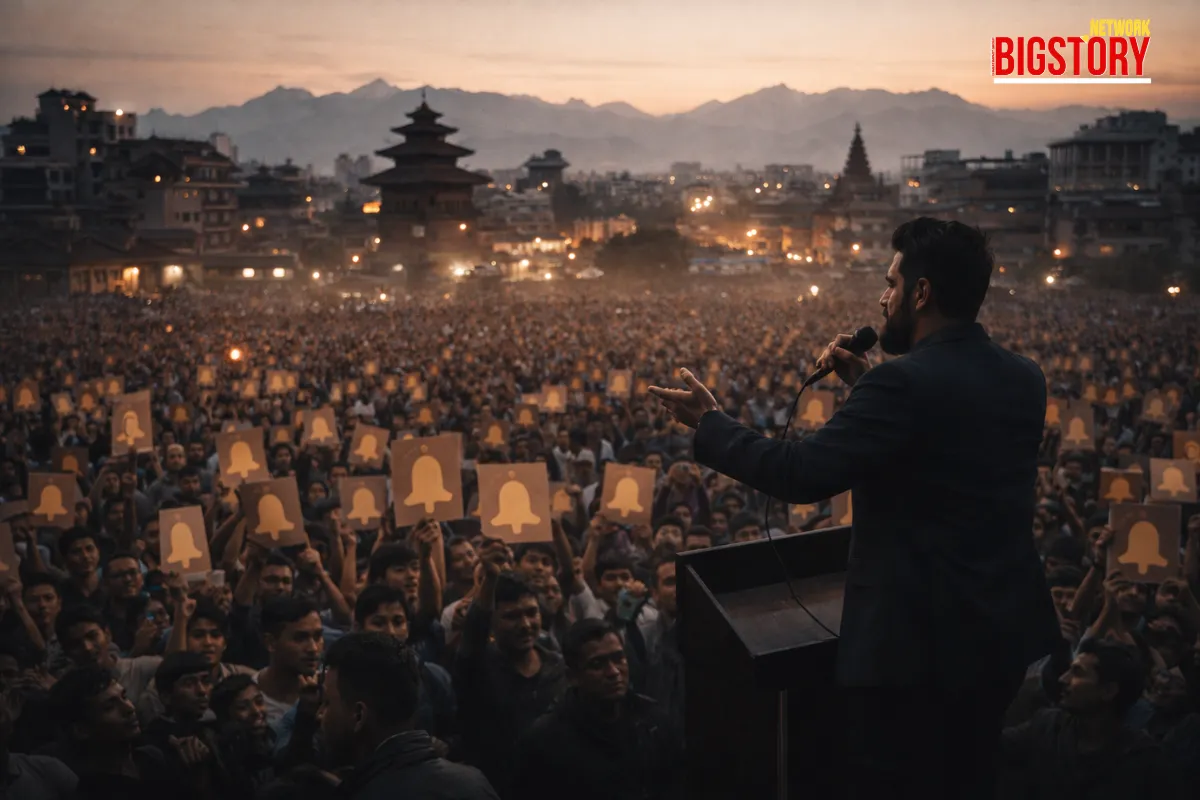
The Himalayan Reset: How Balen Shah's Landslide Mandate Forces a New Reality on New Delhi

Armed with the first single-party majority since 1999 and a strict 'Nepal First' doctrine, the newly elected Prime Minister holds unprecedented leverage to rewrite the foundational treaties governing India-Nepal ties.

by Author Sseema Giill
Hero Image

⏱️ 30-Second Brief

Expand to Read

What happened: Balen Shah's Rastriya Swatantra Party won a historic two-thirds majority in Nepal's March 5, 2026 general election — the first single-party majority since 1999 — with Shah personally defeating four-time PM KP Sharma Oli in his own stronghold by 49,614 votes. Why it happened: Nepal's Gen Z voters — enraged by the 77 deaths in September 2025 protests and decades of corruption under legacy parties — delivered a clean sweep to the only party that had no prior record to defend: a three-year-old centrist movement led by a rapper-turned-engineer-turned-mayor. The strategic play: Shah's "Nepal First" doctrine explicitly rejects both pro-India and pro-China alignment — demanding treaty renegotiation with India, promising to review the Indian Rupee exchange rate peg, and targeting Chinese BRI projects for transparency audits. India's stake: India's $8.6 billion annual trade relationship, open border, hydropower transit rights, Kalapani territorial dispute, and the Siliguri Corridor's Damak BRI adjacency are all now subject to negotiation with a PM who displayed a "Greater Nepal" map in his official office and has a democratic mandate no previous Nepali government has matched. The deciding question: Whether India engages Balen Shah on economic terms he can take to his Gen Z constituency — or waits for him to table the 1950 Treaty renegotiation from a position of unprecedented parliamentary strength.

Balen Shah's historic victory in the 2026 Nepal election results fundamentally resets India relations as his Rastriya Swatantra Party secures an unprecedented two-thirds majority in the House of Representatives. The 35-year-old rapper-turned-engineer crushed four-time Prime Minister KP Sharma Oli by a staggering 49,614 votes in Jhapa-5, entirely dismantling the legacy political establishment that New Delhi has navigated for decades.

This mandate arms Shah with the absolute parliamentary leverage required to enforce his "Nepal First" doctrine. With a clean sweep across the Kathmandu Valley and dominant inroads into the Madhes region, the Prime Minister-designate possesses the unilateral power to force India to the negotiating table over foundational bilateral treaties, cross-border trade pegs, and territorial boundaries.

How We Got Here

  • The Trigger: Security forces killed 77 people during Gen Z-led anti-corruption protests in September 2025, forcing PM KP Sharma Oli's resignation and triggering snap elections.
  • The Background: Balen Shah resigned as Kathmandu Mayor in January 2026 to lead the three-year-old Rastriya Swatantra Party (RSP), capturing an electorate enraged by institutional decay and economic stagnation.
  • The Escalation: In the March 5 general election, the RSP secured the first single-party majority since 1999, capturing over 117 of 153 declared direct seats and dominating the proportional representation vote.
  • The Stakes: The rout of the CPN-UML and Nepali Congress removes the familiar transactional politicians India previously relied upon, replacing them with an economically nationalist government bearing no historical debt to New Delhi.

The Key Players

Balendra "Balen" Shah, PM-Designate, Nepal

The RSP leader and former Kathmandu Mayor engineered the most decisive electoral mandate in modern Nepali history. He brings a complex record to the Prime Minister's office, balancing his Indian educational background with aggressive nationalist signaling, including previously displaying a "Greater Nepal" map claiming Indian territory.


KP Sharma Oli, Chairman, CPN-UML

The four-time former Prime Minister suffered a humiliating defeat in his own Jhapa-5 stronghold, polling fewer than 19,000 votes. His public capitulation to Shah signals the definitive end of the coalition-era power brokers who historically balanced Indian and Chinese interests in Kathmandu.

Randhir Jaiswal, MEA Spokesperson, India

Representing India's first official response to the landslide, Jaiswal struck a carefully non-specific tone, looking forward to building on "robust multifaceted ties" without naming Shah directly. The Ministry of External Affairs must now translate this diplomatic caution into a concrete strategy for a radically altered neighborhood.

The BIGSTORY Reframe — The Five-Point Pressure Test

Mainstream Indian commentary characterizes New Delhi's stance as "cautiously optimistic," framing the absence of overt anti-India campaign rhetoric as a diplomatic victory. This reading is dangerously incomplete. Balen Shah's government presents five specific, structural pressure points that Indian policymakers cannot ignore or defer.

First, the RSP holds a mandate to renegotiate the 1950 Treaty of Peace and Friendship, directly threatening the framework governing open borders and bilateral security. Second, Shah has promised to review the 1993 Indian Rupee exchange rate peg (100 INR = 160 NRs), a move that would immediately shock India's $8.6 billion export market and cross-border remittance flows. Third, Shah's "Greater Nepal" territorial claims over Kalapani, Lipulekh, and Limpiyadhura are no longer a mayoral stunt; they are the border policy of an unassailable national leader.

Fourth, while the RSP tellingly omitted the Chinese Damak Industrial Park—a BRI project threatening India's Siliguri Corridor—from its manifesto, this omission represents a negotiating tactic rather than a formal cancellation. Finally, the impending release of the Karki Commission report on the 77 protest deaths guarantees a domestic legal reckoning for Oli-era officials. If New Delhi is perceived as shielding the old establishment, it will instantly generate the very anti-India backlash it currently believes it avoided.

What This Means for India

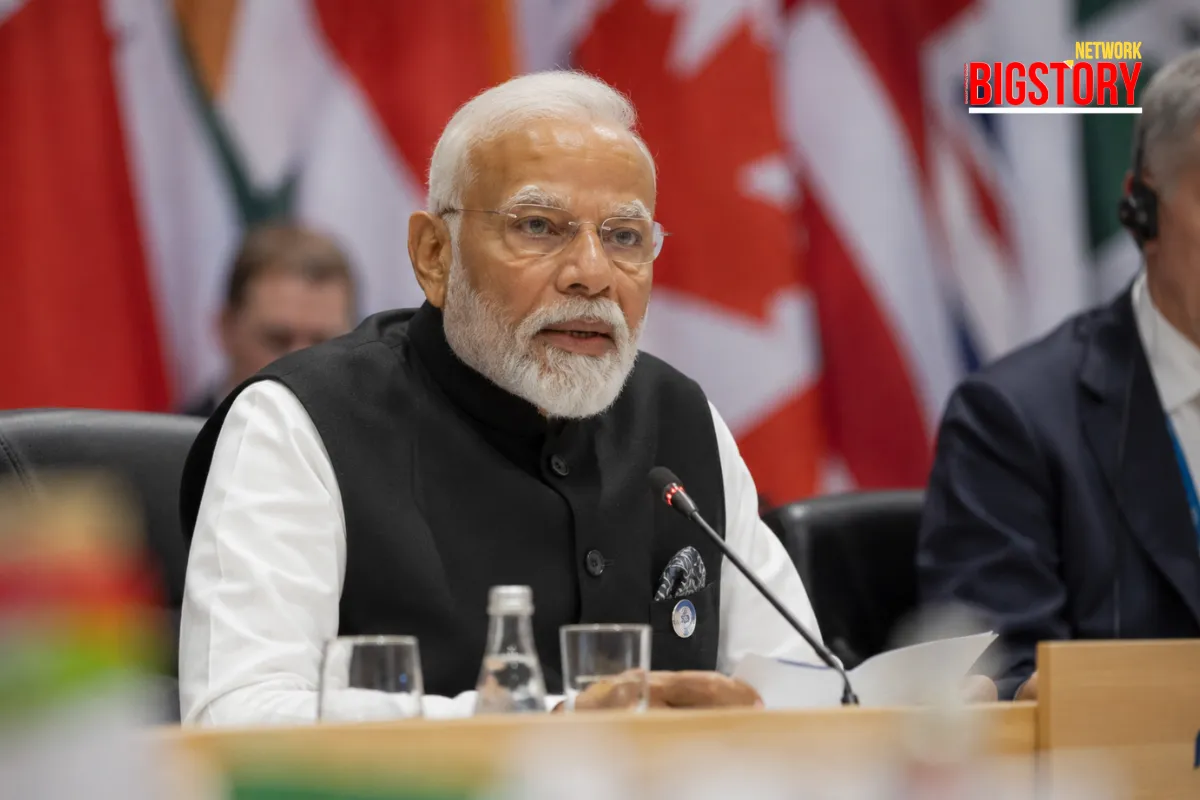
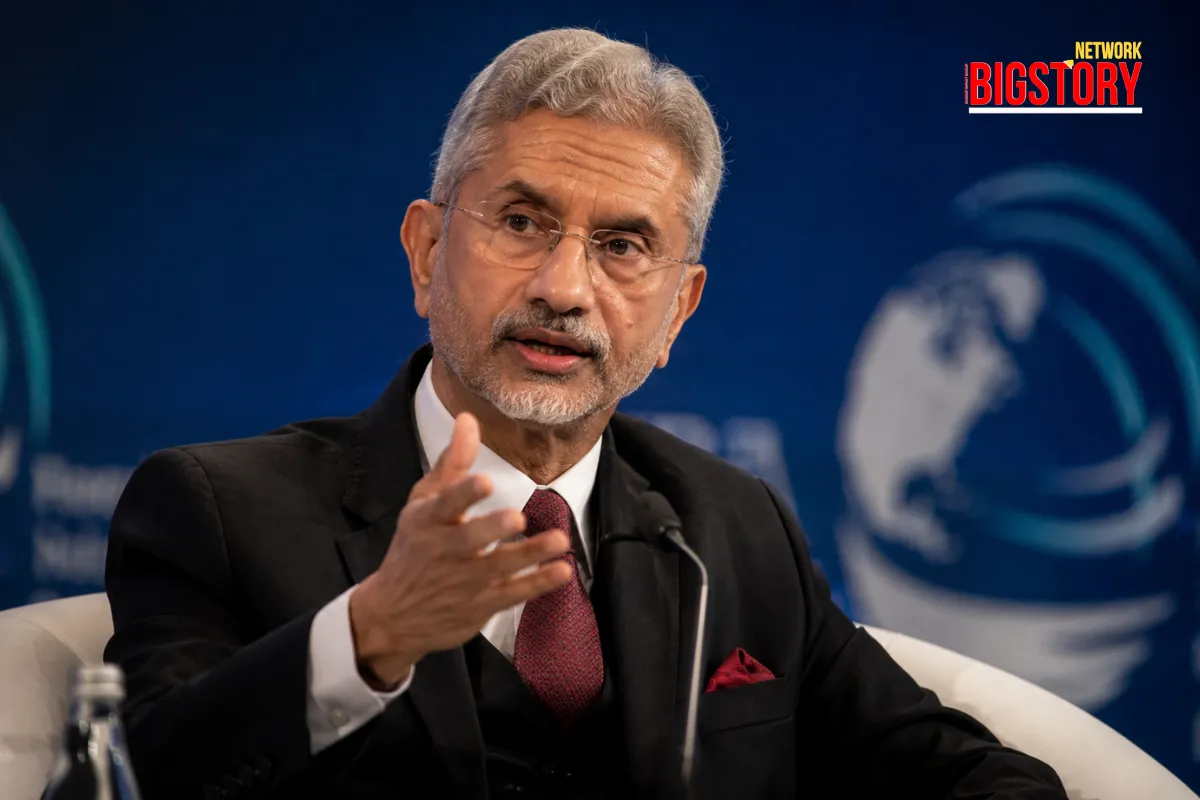
  • The 30-Day Diplomatic Window: Prime Minister Modi and External Affairs Minister Jaishankar must secure a bilateral meeting with Shah within his first month in office, preempting any initial outreach from Beijing.
  • Economic Preemption: India must proactively offer expanded hydropower transit rights and robust IT sector partnerships to Shah's government before Kathmandu formalizes its demands for treaty renegotiation.
  • Exchange Rate Volatility: Indian businesses heavily exposed to the Nepali market must prepare contingency plans for a potential unpegging or revaluation of the Nepali Rupee, altering regional trade economics overnight.

The Implications

  • Short Term: The destination of Balen Shah's first foreign visit—New Delhi or Beijing—will serve as the definitive signal of his administration's geopolitical alignment.
  • Medium Term: Shah's appointment of a Foreign Minister will clarify whether the 1950 Treaty renegotiation will be pursued through quiet diplomacy or aggressive public ultimatums.
  • India-Specific Consequence: India's traditional toolkit of leveraging internal coalition fractures to influence Nepali politics is completely neutralized against a unified, two-thirds majority government.

If India refuses to renegotiate a 75-year-old treaty with a democratically elected leader backed by an unprecedented Gen Z mandate, how long before Kathmandu officially turns to Beijing to underwrite its economic future?

How We Reported This

News & Wire Coverage:

Official Statements & Data:

  • Political Record: KP Sharma Oli publicly congratulates Balen Shah on X — March 7, 2026
  • Institutional Record: 2026 Nepalese general election timeline and Gen Z protest data — September 2025 to March 2026


Sseema Giill
Sseema Giill Founder & CEO

Sseema Giill is an inspiring media professional, CEO of Screenage Media Pvt Ltd, and founder of the NGO AGE (Association for Gender Equality). She is also the Founder CEO and Chief Editor at BIGSTORY NETWORK. Giill champions women's empowerment and gender equality, particularly in rural India, and was honored with the Champions of Change Award in 2023.

BIGSTORY Trending News! Trending Now! in last 24hrs

The Himalayan Reset: How Balen Shah's Landslide Mandate Forces a New Reality on New Delhi
Bharat One
The Himalayan Reset: How Balen Shah's Landslide Mandate Forces a New Reality on New Delhi
The $2.6 Billion Reset: What the Historic India-Canada Nuclear Deal Means for Energy
Bharat One
The $2.6 Billion Reset: What the Historic India-Canada Nuclear Deal Means for Energy
A Broken Council: What Finland's Endorsement Means for India's Permanent UN Seat
Bharat One
A Broken Council: What Finland's Endorsement Means for India's Permanent UN Seat
The China Playbook: How the U.S. is Capping India's Economic Rise in the Indo-Pacific
Bharat One
The China Playbook: How the U.S. is Capping India's Economic Rise in the Indo-Pacific