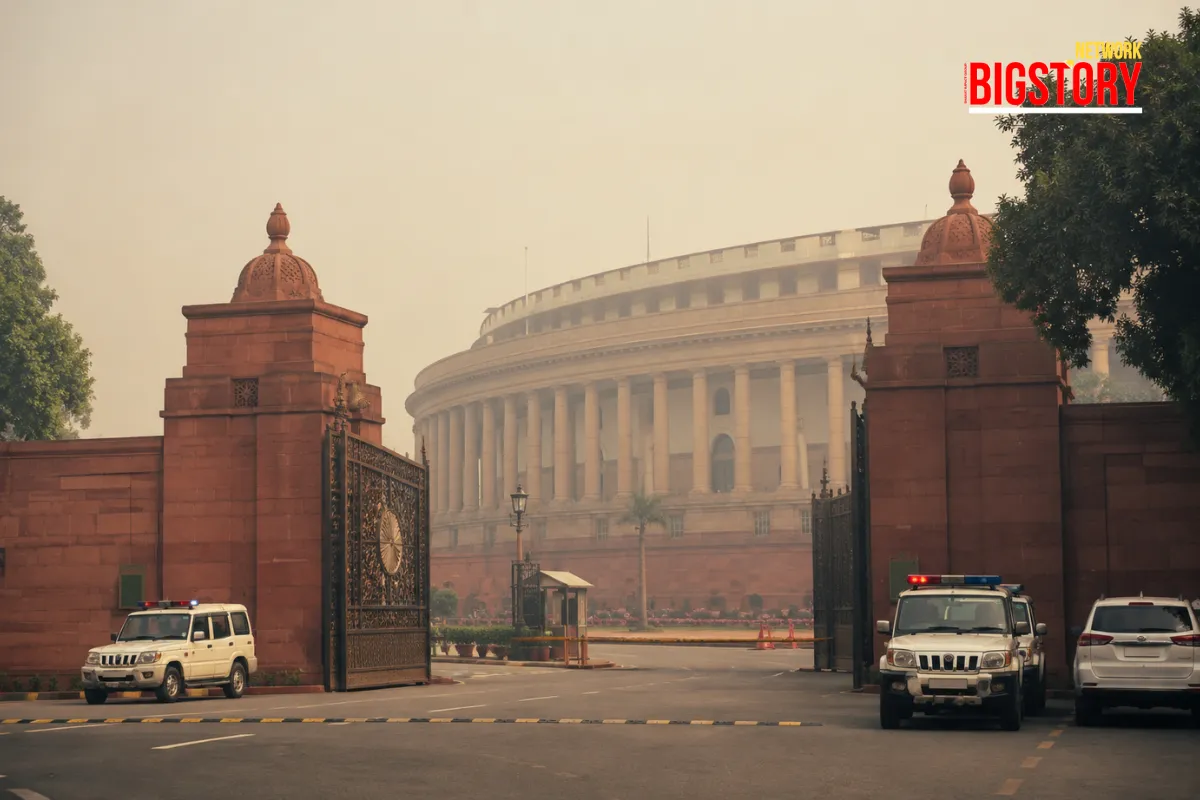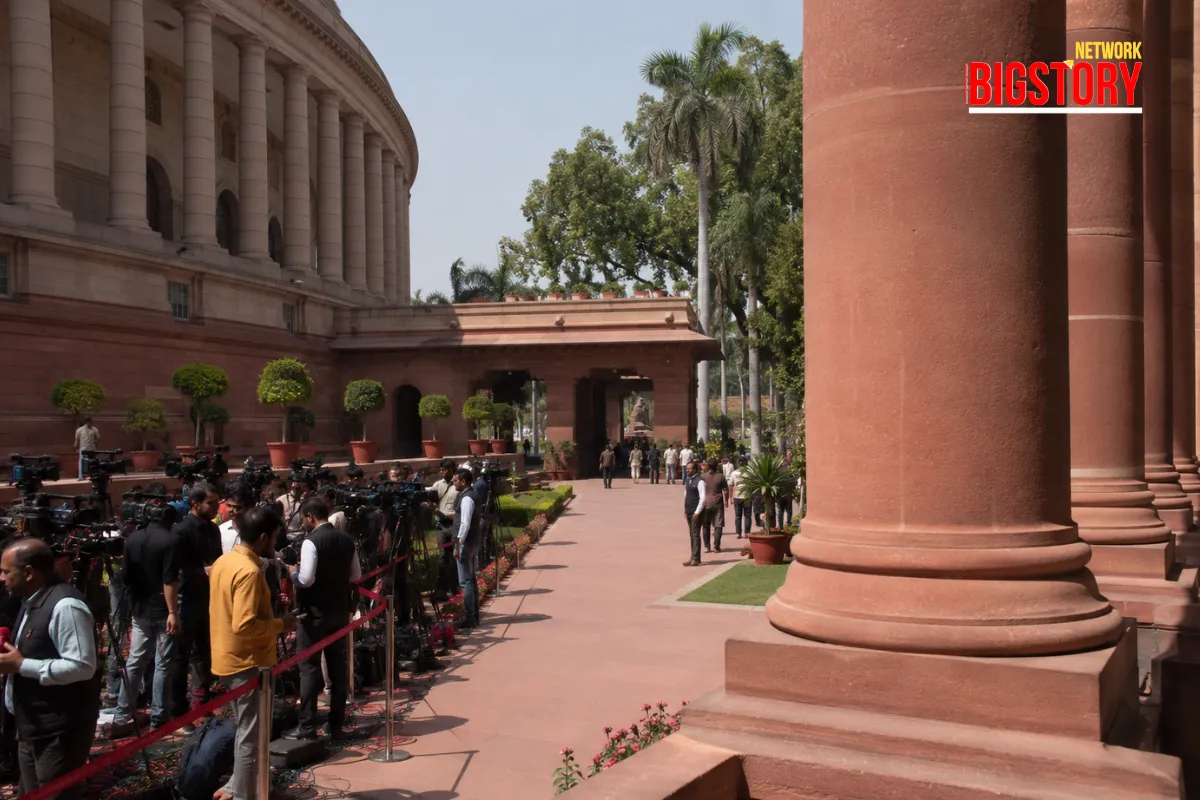
Following a historic legislative defeat, the Modi government has officially withdrawn the Delimitation Bill 2026, scrapping the 816-seat expansion of the Lok Sabha.
 Brajesh Mishra
The collapse of the government's aggressive legislative agenda has completely upended the future of India's electoral map. Immediately following the shocking defeat of the constitutional amendment for women's reservation on Friday evening, the Modi government officially withdrew the highly controversial Delimitation Bill 2026 from the Lok Sabha today, Saturday, April 18, 2026.
With both Houses of Parliament now adjourned sine die, the grand plan to expand the parliament and aggressively redraw constituencies before the 2029 elections has been officially killed.
Faced with an energized and fiercely united opposition following last night's dramatic 131st Amendment defeat, Parliamentary Affairs Minister Kiren Rijiju formally withdrew the Delimitation Bill 2026 from the floor. The move was a stark acknowledgment that the government fundamentally lacked the numbers to force the structural overhaul through the lower house.
The scrapped bill contained the explosive legal mechanism designed to bypass the delayed 2021 national census, proposing instead to use 2011 population data to immediately redraw India's electoral map.
Most critically, the withdrawal means the Lok Sabha will not be expanded. The government's ambitious, highly publicized blueprint to increase the lower house from 543 to 816 seats is now completely frozen. The Election Commission of India will conduct the 2029 General Elections strictly on the existing 543-seat map.
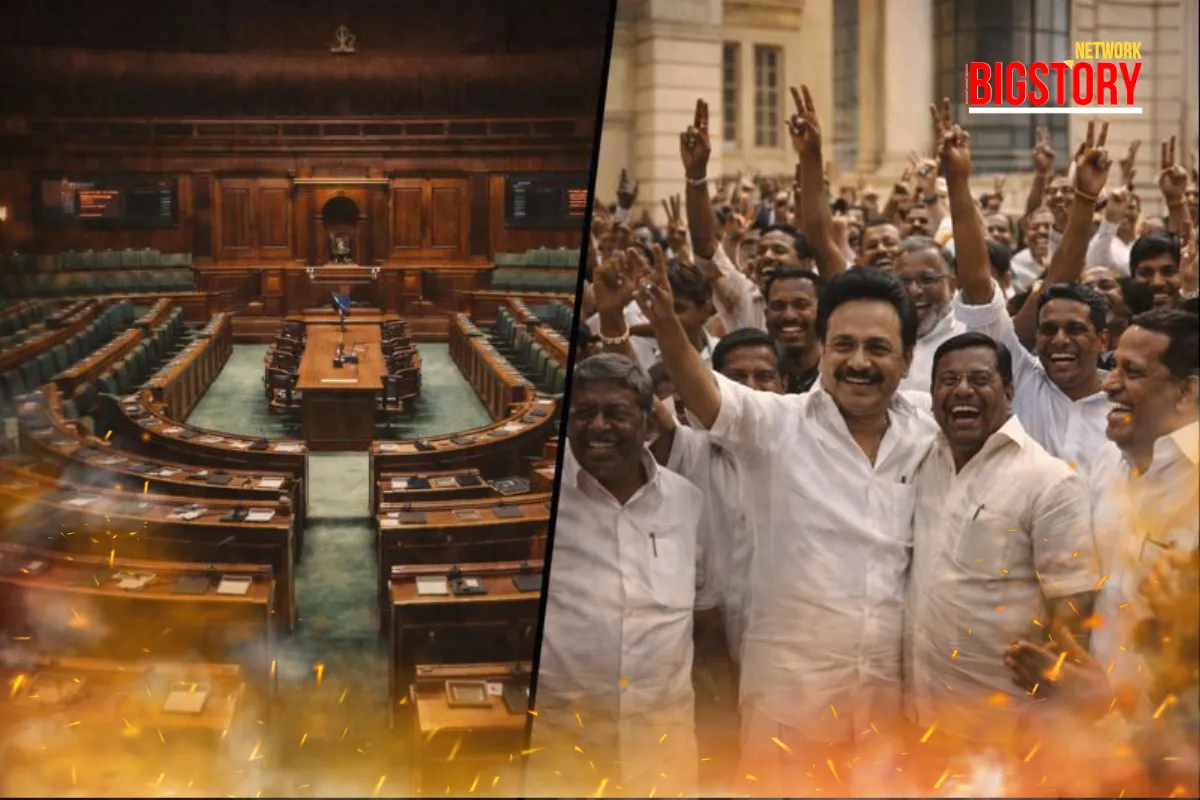
The formal withdrawal of the Delimitation Bill has triggered massive political celebrations across South India.
For the past week, Southern leaders have relentlessly warned that a delimitation exercise based purely on raw population arithmetic would permanently penalize states like Kerala, Tamil Nadu, and Andhra Pradesh for successfully implementing family planning and controlling their populations. They feared it would hand a massive, insurmountable bloc of new seats to Northern states like Uttar Pradesh and Bihar.
Tamil Nadu Chief Minister M.K. Stalin and Karnataka Chief Minister Siddaramaiah issued a joint statement on Saturday morning, framing the bill's demise as an existential rescue of Indian federalism. They called it a "historic victory for the federal structure of India," declaring that the "attempt to politically marginalize the South has been defeated on the floor of Parliament."
While the political narrative rightfully focuses on the protection of regional representation, the "Missed Angle" here is the glaring architectural and financial embarrassment now facing the central government.
The new ₹970-crore Central Vista Parliament building was explicitly designed and constructed with a massive, 888-seat Lok Sabha chamber specifically to accommodate this exact delimitation expansion.
With the Delimitation Bill dead and the freeze on the number of seats essentially extended until at least the mid-2030s (pending the completion of a proper new census), the grand, sprawling lower house chamber will sit noticeably half-empty for at least the next decade. Every televised session of Parliament will now serve as a physical, daily visual reminder of the government's historic legislative defeat.
Sources
News & Wire Coverage:
 Exclusive Content






Sign up for the Daily newsletter to get your biggest stories, handpicked for you each day.



 Trending Now! in last 24hrs