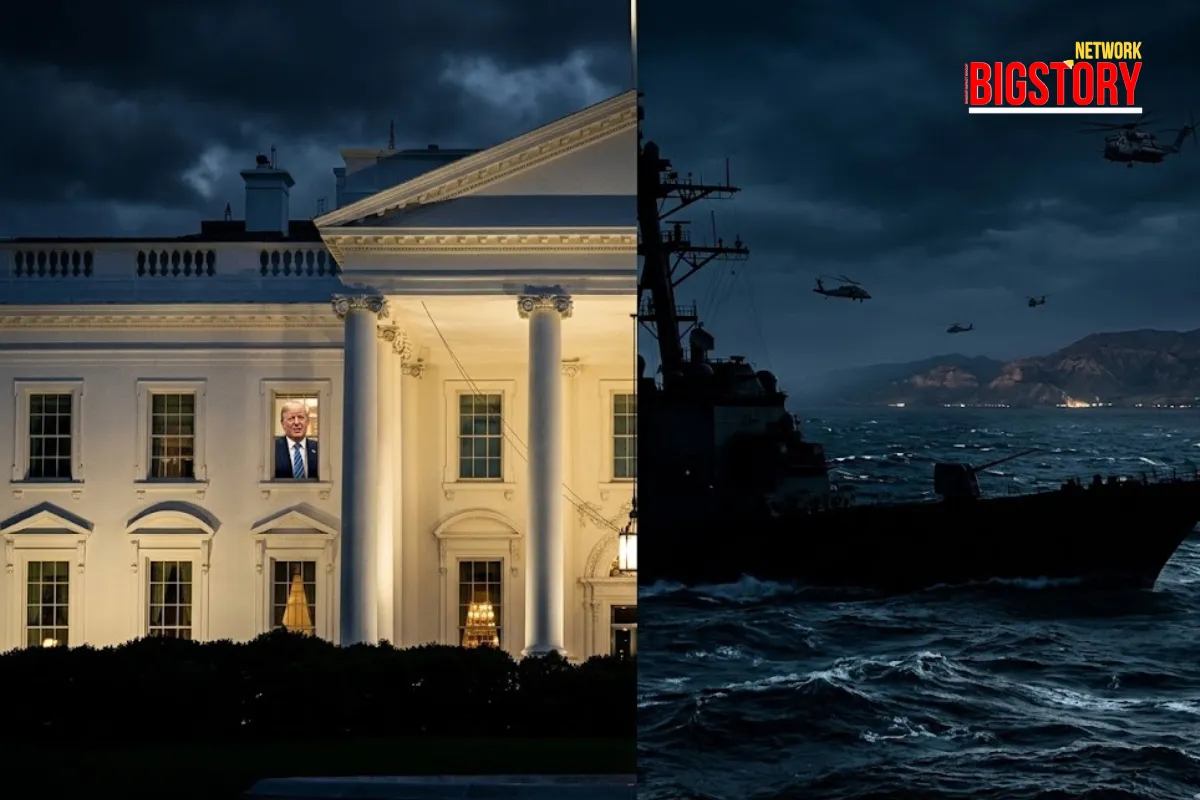
As the Middle East teeters on the brink of total war, explosive White House leaks reveal that the US administration has given Tehran a strict, non-negotiable window to unify its fractured government or face devastating military strikes.
 Sseema Giill
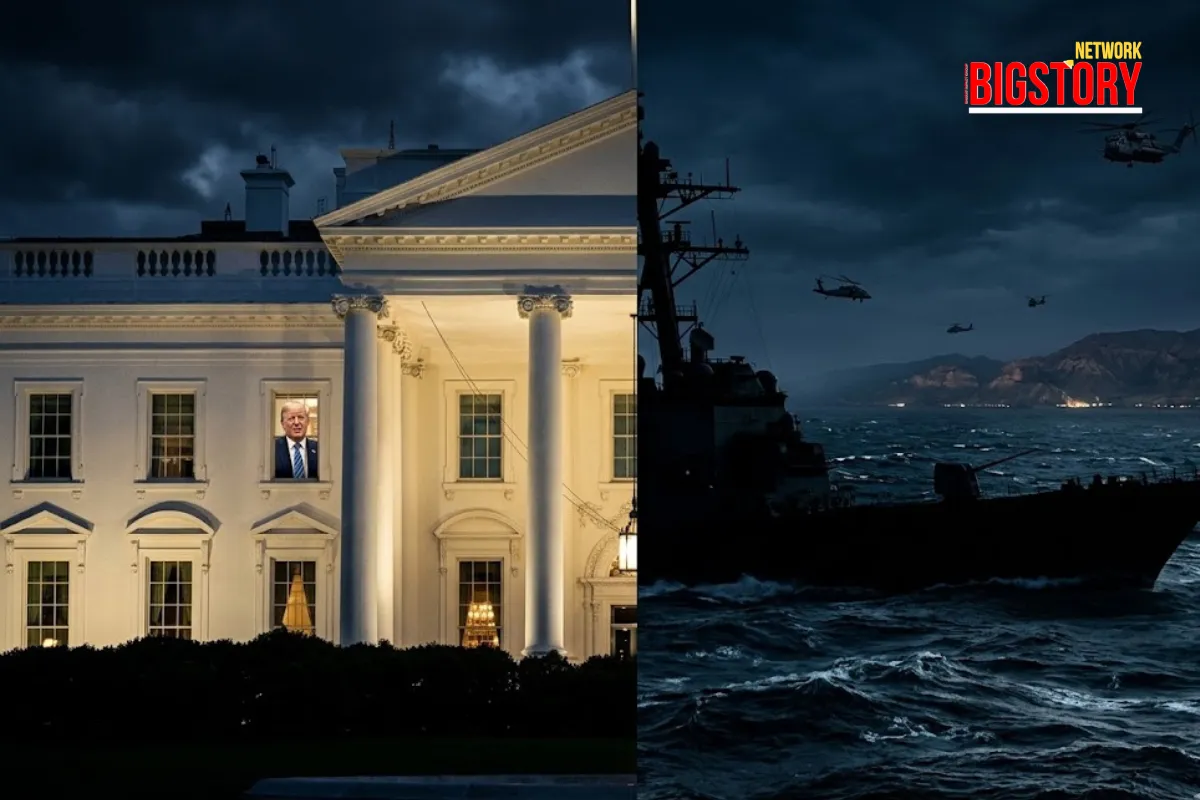
The Middle East is teetering on the brink of total war, and the United States has just drawn a hard, unforgiving line in the sand.
US President Donald Trump has issued a blunt, highly undiplomatic ultimatum to Tehran regarding the ongoing peace talks. Sourced from explosive White House leaks, the administration has given Iran a strict, non-negotiable window of just a few days to unify its fractured government or face devastating military strikes.
According to details provided to Axios by senior US officials, President Trump has effectively placed a hard expiration date on the stalled peace talks following the collapse of the initial deadlines.
The messaging from Washington is stripped of all diplomatic pleasantries. A US source briefed on the matter stated bluntly: "Trump is willing to give another three to five days of ceasefire to allow the Iranians to get their shit together. It is not going to be open-ended."
The harsh ultimatum is driven by a stark White House intelligence assessment, which reveals an absolute breakdown in Tehran's chain of command. An open rift has erupted between Iran's civilian negotiators—led by Foreign Minister Abbas Araghchi—and the military hardliners of the Islamic Revolutionary Guard Corps (IRGC).
The IRGC is actively refusing to honor ceasefire terms discussed by their own civilian diplomats, particularly regarding the critical reopening of the Strait of Hormuz. Complicating matters further, Supreme Leader Mojtaba Khamenei has been noticeably absent from communications, leaving no central authority capable of forcing the civilian and military factions into a single, unified stance.
The only reason bombs are not currently falling is a brief diplomatic intervention. Trump recently extended the ceasefire primarily at the direct request of Pakistani Prime Minister Shehbaz Sharif and Army Chief Asim Munir. This hold off on a massive US strike is designed specifically to give Tehran a brief window to formulate a cohesive proposal.
However, while the military strikes are temporarily paused, the economic chokehold remains absolute. Trump has explicitly directed the US military to maintain its stringent naval blockade on Iranian shipping until Iran formally submits a binding agreement.
The White House recently held an emergency meeting to weigh two options: continued diplomatic efforts or a large-scale strike on Iranian infrastructure. If this final window expires without a unified Iranian response, Trump has warned of attacks "bigger, better, and stronger than anyone has ever seen before."
While the world watches the clock tick down, the "Missed Angle" here is the fatal consequence of the assassination of Iran's former security chief, Ali Larijani, earlier in March.
Larijani was the only political heavyweight capable of bridging the massive ideological gap between Iran's diplomatic corps and the IRGC. His successor, Mohammad Bagher Zolqadr, has completely failed to coordinate the two power centers.
Because the IRGC controls the actual physical assets—the ballistic missiles, the drone swarms, and the sea mines blockading the Strait of Hormuz—the civilian government's promises to the US during the negotiations in Islamabad are functionally meaningless. Trump isn't just waiting for a diplomatic paper; he is demanding concrete proof that the Iranian civilian government can actually control its own military before he calls off the bombers.
With the Iranian government severely fractured and the US naval blockade tightening, will the IRGC risk total war to maintain its power, or will Supreme Leader Khamenei finally step in to prevent the collapse of his regime?
News & Wire Coverage:
 Exclusive Content






Sign up for the Daily newsletter to get your biggest stories, handpicked for you each day.



 Trending Now! in last 24hrs