In a landmark display of cooperative federalism, all 28 Chief Ministers and Union Territory leaders gather in New Delhi, ending a prolonged era of political boycotts to directly negotiate regional economic roadmaps.
 Brajesh Mishra
• What happened: The 11th NITI Aayog Governing Council meeting achieved an unprecedented, historic 100% attendance on Thursday, June 11, 2026, with all 28 state Chief Ministers convening in New Delhi under the chairmanship of PM Narendra Modi.
• Why it matters: The full house marks the definitive end of a multi-year trend where opposition-ruled states utilized the apex policy forum as a platform for political boycotts.
• The core agenda: The high-level summit focused exclusively on the "Viksit Bharat @2047" framework, emphasizing foundational youth skilling, productive employment, health infrastructure, and a heavy push for women-led development (Nari Shakti).
• The strategic play: Opposition leaders have successfully pivoted from national protest to regional pragmatism, choosing to engage directly with the Centre to secure development goals rather than risking isolation from critical national policy formulations.
• The aftermath: Capitalizing on the collaborative environment, several key Chief Ministers—including those from Tamil Nadu, Karnataka, Telangana, and Jammu & Kashmir—leveraged the summit to hold individual one-on-one meetings with the Prime Minister to press for immediate state-specific demands.
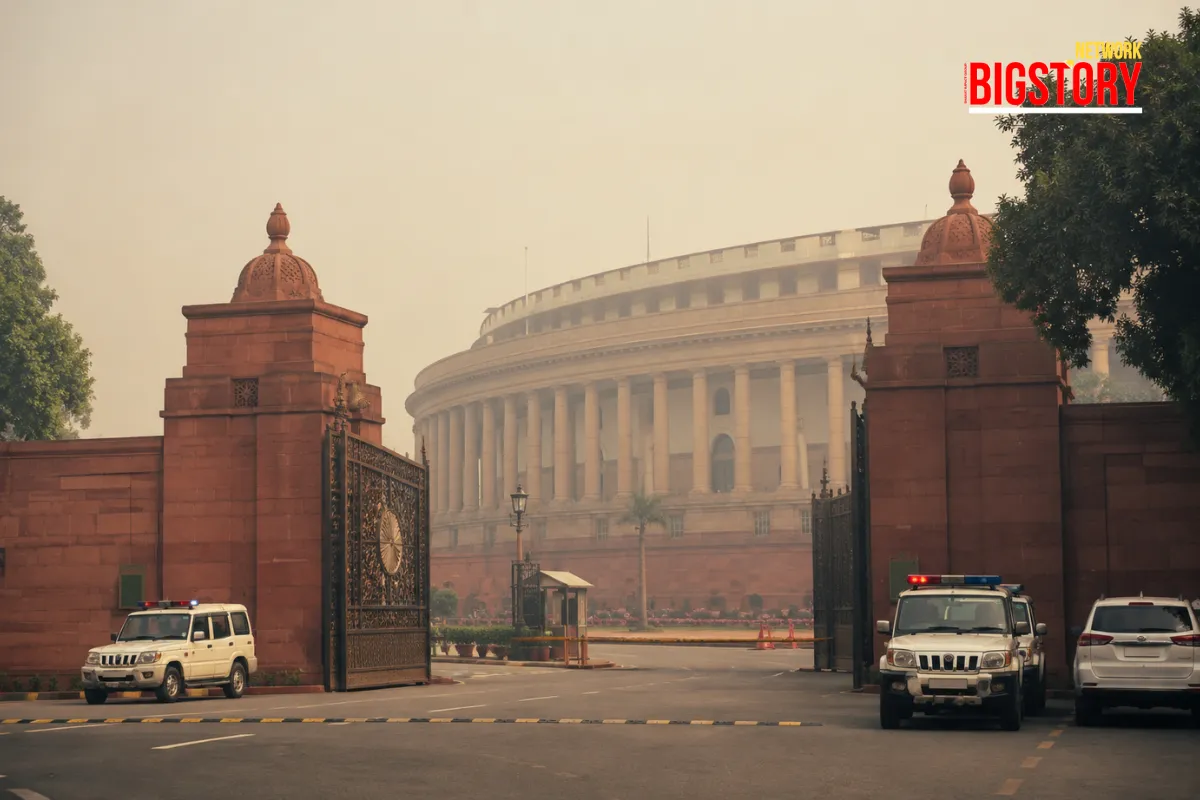
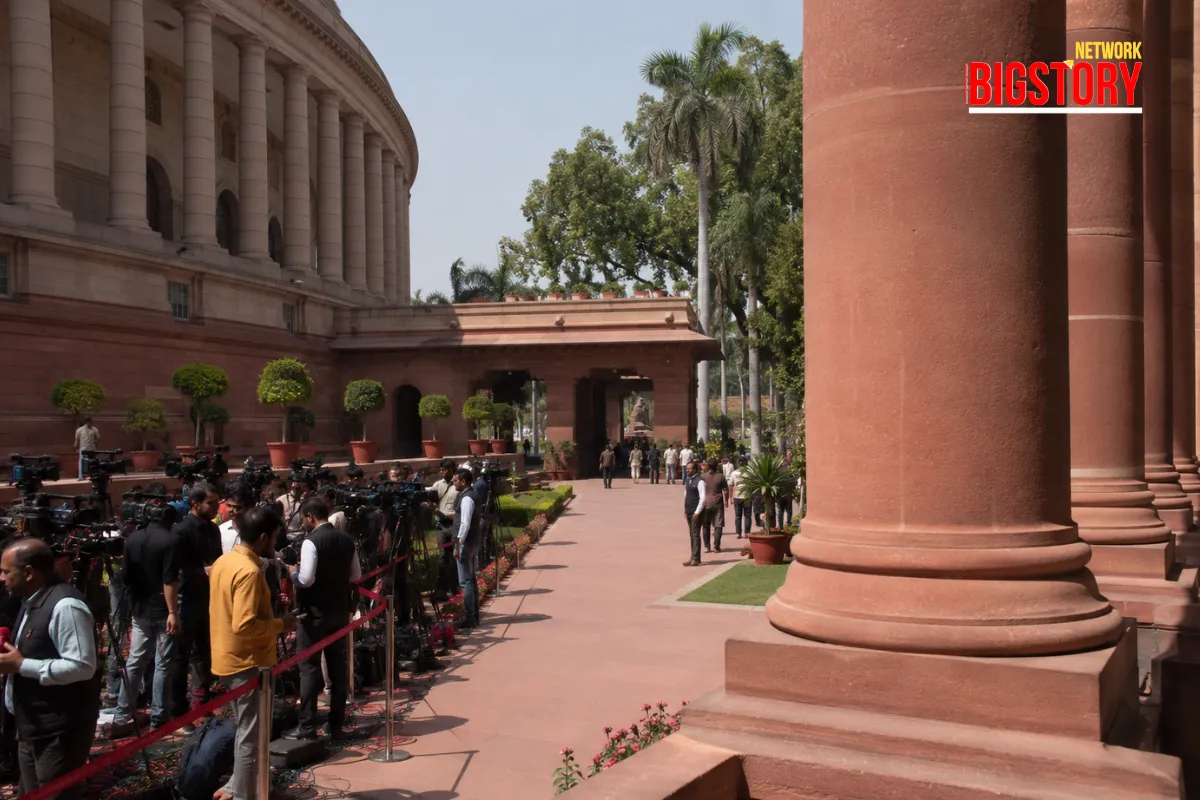
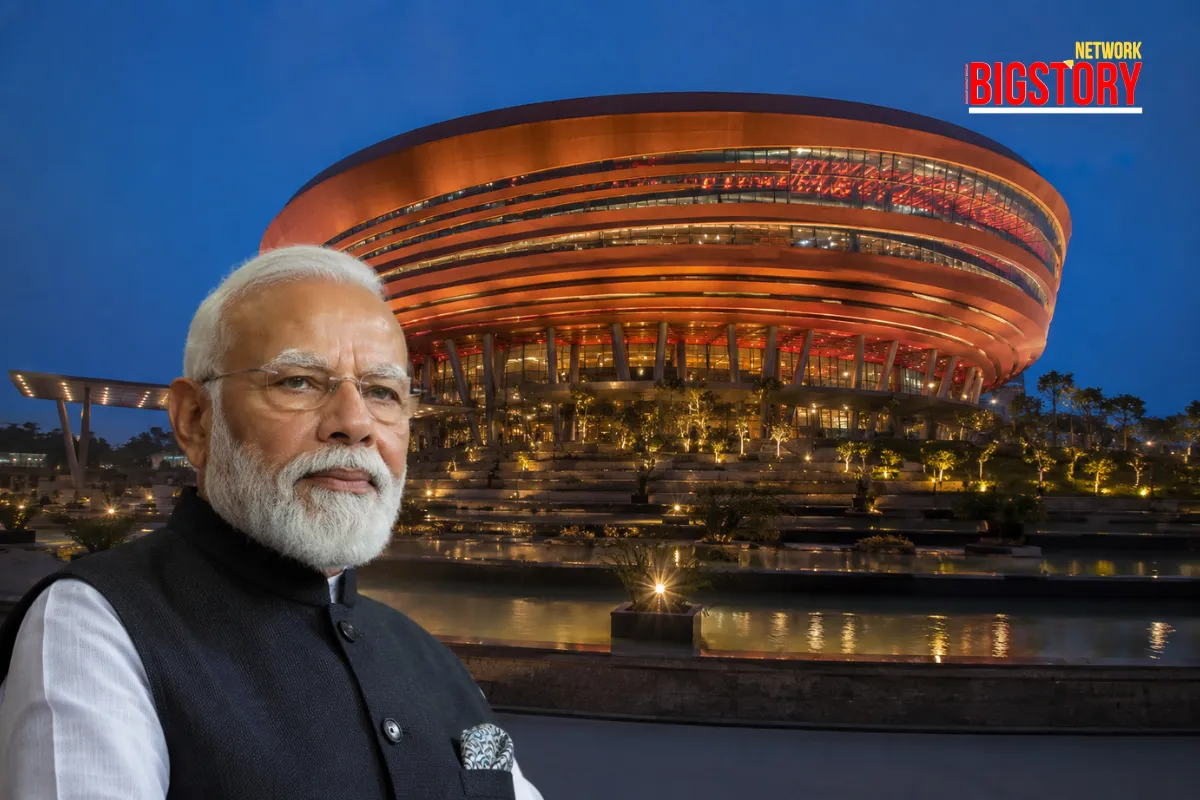
In a landmark display of cooperative federalism, the national policy architecture has witnessed a fundamental reset. On Thursday, June 11, 2026, the 11th Governing Council Meeting of NITI Aayog achieved a historic 100% attendance record. For the first time since the premier policy forum’s inception, Chief Ministers from all 28 states, alongside Lieutenant Governors of Union Territories, convened at the Rashtrapati Bhavan Cultural Centre in New Delhi under the direct chairmanship of Prime Minister Narendra Modi.
The visual of a completely full house marks a sharp, definitive departure from recent years, effectively ending a prolonged trend of aggressive boycotts by opposition-ruled states.
The meeting successfully brought together a truly united front, cutting cleanly across deep partisan lines. This included the highly anticipated participation of prominent opposition Chief Ministers who had notably stayed away in the past, such as Tamil Nadu's Joseph Vijay, Karnataka's D.K. Shivakumar, Kerala's V.D. Satheesan, and Telangana's Revanth Reddy.
The absolute attendance represents a massive shift from recent editions of the summit. In 2024, exactly 10 Chief Ministers boycotted or entirely skipped the meeting, and a very similar pattern of absence crippled the 2023 and 2025 gatherings.
Beyond the formal council deliberations, the summit served as a critical platform for bilateral negotiations. Following the broader meeting, several Chief Ministers—including those from Uttar Pradesh, Tamil Nadu, Karnataka, Telangana, and Jammu & Kashmir's Omar Abdullah—held individual, closed-door meetings with PM Modi to aggressively discuss state-specific infrastructure projects and pressing regional fiscal priorities.
The central, unifying theme of the 11th Governing Council was "Inclusive Human Development for Viksit Bharat @2047". The complex policy discussions were heavily anchored around four core pillars designed to strategically transform India into a developed nation by its 100th year of independence:
While mainstream coverage will invariably focus on the rare spectacle of political unity, the "Missed Angle" in Thursday's unprecedented attendance is the highly calculated, strategic pivot executed by the opposition-led states.
For years, the act of boycotting NITI Aayog was routinely utilized as a blunt tool for political protest against the central government. However, as the developmental demands of the electorate have grown more complex, this strategy frequently backfired by deeply isolating state administrations from critical national policy formulations and freezing them out of direct dialogues regarding central funding allocations.
By deliberately choosing engagement over absence—exemplified by Karnataka formally ending its boycott and new leaders like Revanth Reddy and Joseph Vijay actively taking the microphone—the opposition is signaling a massive pragmatic shift. They are now actively prioritizing their states' long-term economic roadmaps and immediate infrastructure demands over national-level political posturing. The new consensus is clear: actively shaping the "Viksit Bharat" framework from inside the room yields far better regional dividends than protesting outside of its doors.
• NITI Aayog: Official Governing Council Minutes, Viksit Bharat 2047 Frameworks, and Meeting Press Releases
• Press Information Bureau (PIB): Prime Minister's Office Statements and Official Summit Photographs
• The Hindu: National Bureau, Centre-State Relations, and Political Analysis Coverage
• The Indian Express: Delhi Bureau, Opposition Strategy Updates, and Policy Deliberations
 Exclusive Content




Sign up for the Daily newsletter to get your biggest stories, handpicked for you each day.

 Trending Now! in last 24hrs