After nearly 60 years, the global oil cartel has shattered. Abu Dhabi is formally stepping away from strict production quotas, fundamentally redrawing the future of global energy diplomacy right in the middle of an unprecedented Middle East crisis.
 Sseema Giill
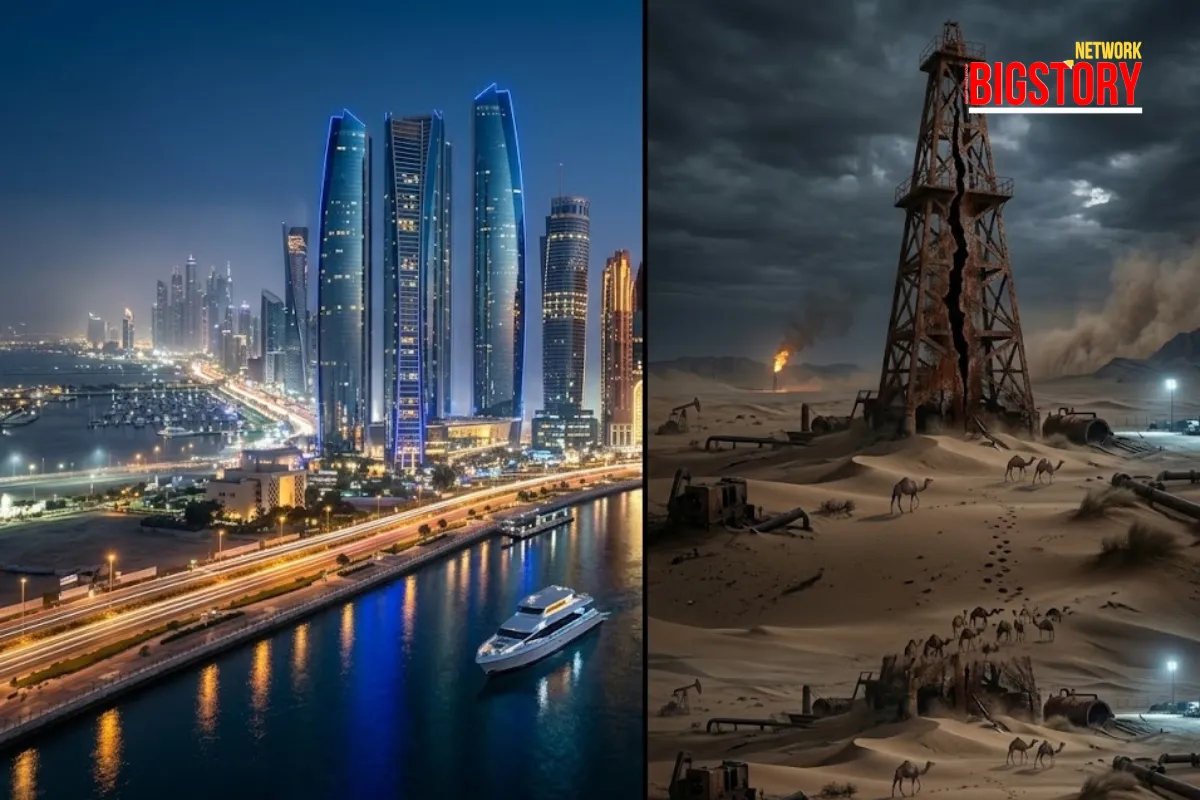
A historic fracture has just decimated the world's most powerful energy cartel right in the middle of a global crisis. Today, Tuesday, April 28, 2026, the United Arab Emirates officially announced it is quitting OPEC and the broader OPEC+ alliance, dealing a massive geopolitical blow to Saudi Arabia and completely redrawing the future of global oil diplomacy.
After nearly 60 years of membership, the UAE confirmed via its state-run WAM news agency that it will officially exit OPEC and OPEC+ effective May 1, 2026.
UAE Energy Minister Suhail Al Mazrouei described the unprecedented exit as a sovereign policy decision firmly aligned with the country’s "long-term strategic and economic vision." Stepping away completely frees the UAE from the cartel’s notoriously strict production quotas, granting Abu Dhabi total flexibility to maximize its crude output and monetize its vast reserves on its own terms.
The exit is the explosive culmination of years of mounting tension between Abu Dhabi and Riyadh over economic strategy. The UAE has invested heavily in expanding its oil infrastructure, achieving a production capacity of roughly 4.8 million barrels per day. However, Saudi-led OPEC quotas repeatedly forced the UAE to pump far below its maximum capacity to artificially prop up global prices—a strategy that heavily favors Saudi Arabia's higher break-even budgetary requirements at the expense of Emirati revenue.
Beyond economics, the split is heavily driven by deep military grievances. This seismic shift is happening against the backdrop of the devastating US-Israel war with Iran, which has already pushed Brent crude prices past the $111 a barrel mark.
Following recent Iranian missile and drone attacks, senior Emirati officials publicly expressed shock and deep frustration over the "weak" political and military backing provided by fellow Gulf Cooperation Council (GCC) states. Anwar Gargash, diplomatic adviser to the UAE president, publicly criticized the Arab and Gulf response just yesterday, stating that while the GCC supported each other logistically, their political and military posture has historically been incredibly weak when the UAE needed a united front.
While financial analysts predicted chaos, the "Missed Angle" here is exactly why global oil markets did not instantly crash upon the announcement.
Normally, a major producer leaving OPEC to pump at maximum capacity would trigger a catastrophic, overnight price plunge. However, because Iran has currently paralyzed the Strait of Hormuz, the UAE physically cannot export its massive excess capacity anyway. This geographical blockade is effectively masking the immediate market impact of Abu Dhabi's exit.
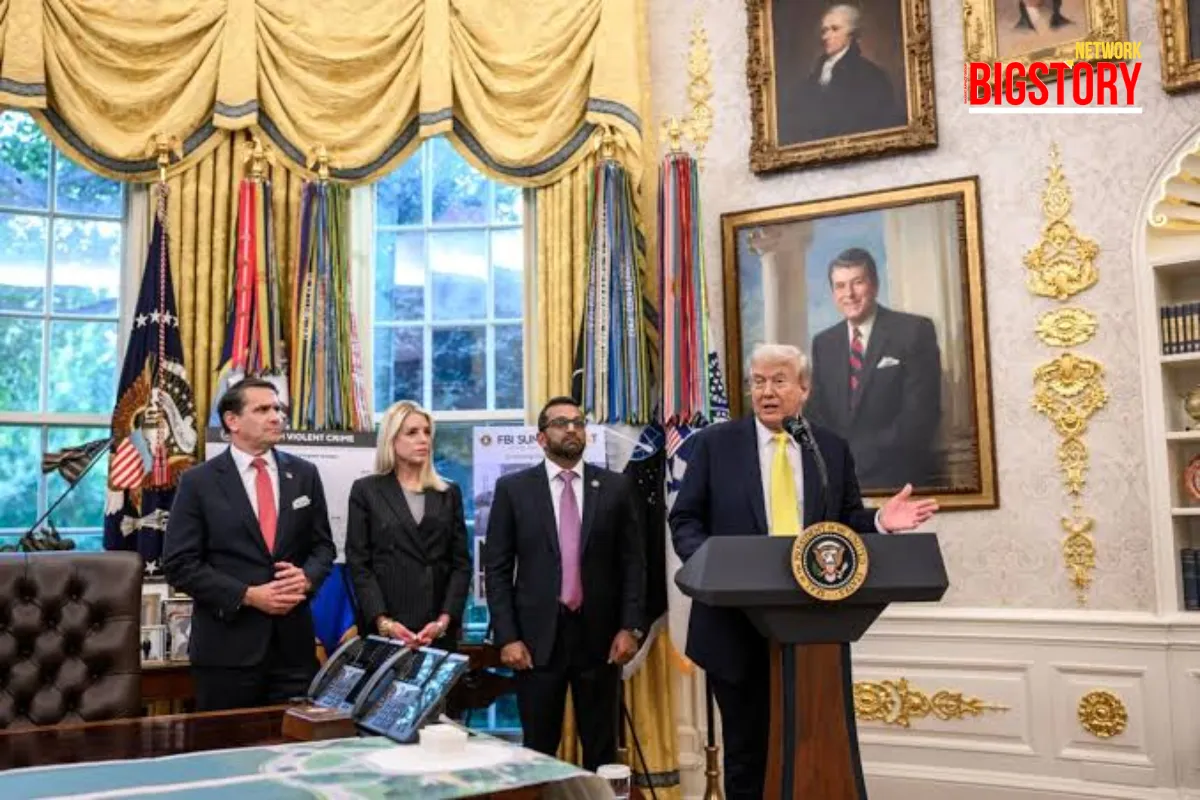
Strategically, this is a monumental, long-term victory for US President Donald Trump, who has spent years aggressively pressuring Gulf states and accusing OPEC of "ripping off the rest of the world." Once the Hormuz chokepoint reopens and maritime transport resumes, the UAE will be totally unrestrained. By effectively adding up to 1 million new barrels per day into the global market, the UAE will structurally break Saudi Arabia’s absolute grip on global oil stabilization, ushering in an era of highly volatile, fiercely competitive pricing.
News & Wire Coverage:
 Exclusive Content




Sign up for the Daily newsletter to get your biggest stories, handpicked for you each day.


 Trending Now! in last 24hrs