With Iranian airspace shut down and the Strait of Hormuz blocked, New Delhi has triggered a massive, high-stakes military and diplomatic extraction to rescue its stranded citizens using strategic port investments.
 Sseema Giill
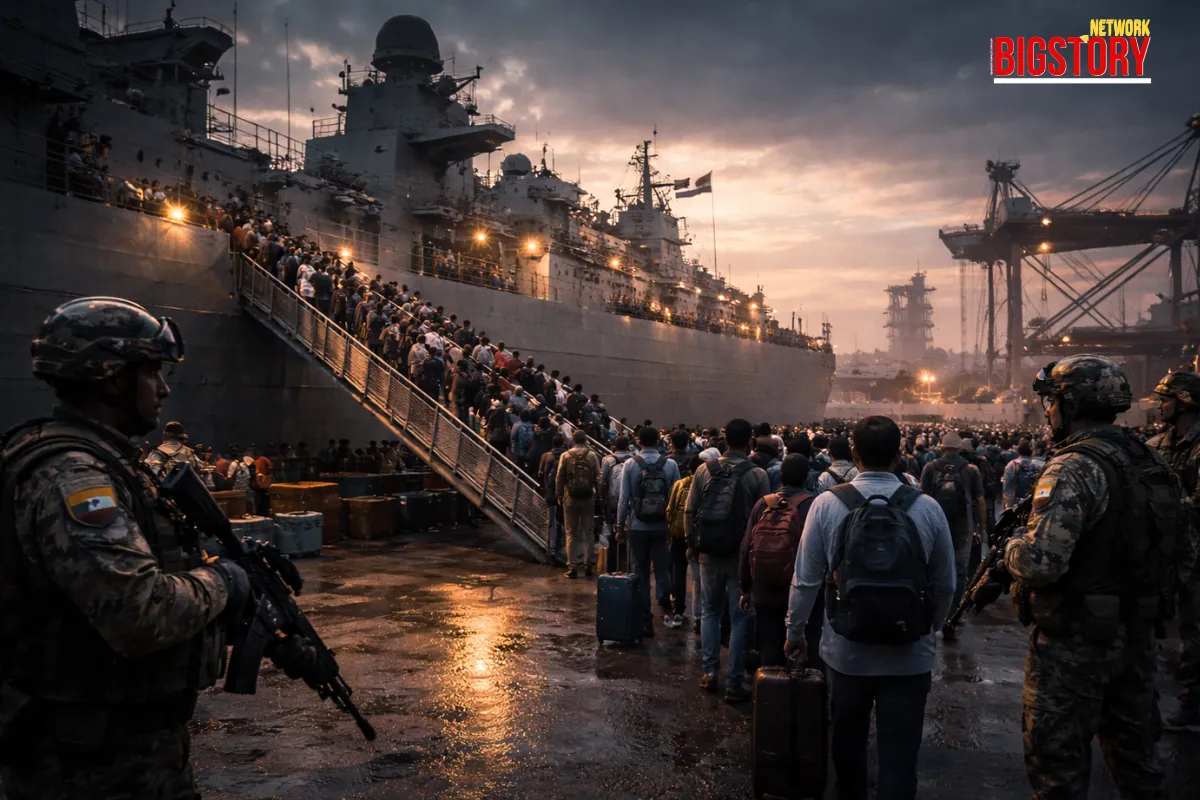
What happened: The Indian government has launched a massive military and diplomatic evacuation operation to rescue over 4,000 stranded citizens from Iran.
Why it happened: The escalating US-Israel-Iran war has led to the complete closure of Iranian airspace and extreme volatility in the Persian Gulf, leaving foreign nationals trapped.
The strategic play: Unable to fly citizens out of Tehran, India is leveraging its diplomatic back-channels to secure land corridors to move Indians overland to Chabahar Port in the south.
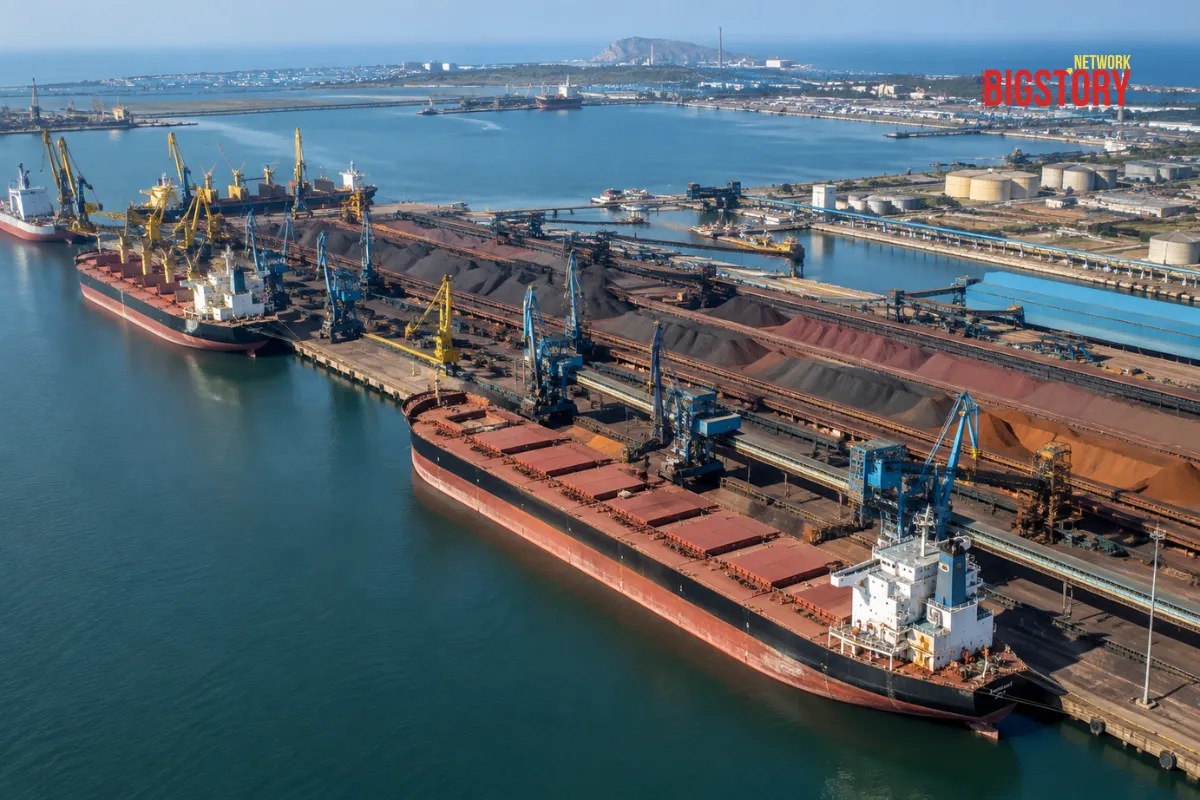
India's stake: India's strategic investment in Chabahar Port is proving to be a critical geopolitical lifeline, allowing the Indian Navy to extract citizens via the Gulf of Oman, safely bypassing the blockaded Strait of Hormuz.
The deciding question: Can the MEA guarantee the safety of its overland convoys traveling through an increasingly lawless Iran, where the IRGC operates with little central oversight following the Supreme Leader's injuries?
The Indian government has officially triggered a massive, high-stakes military and diplomatic extraction to rescue thousands of its citizens trapped in a rapidly deteriorating geopolitical war zone. As of Monday, the india rescue operation iran 2026 mission is fully active, deploying Indian Navy warships and coordinating emergency land corridors to safely evacuate nationals as commercial airspace over the Islamic Republic remains entirely shut down.
The urgency of this operation cannot be overstated. With over 4,000 Indian medical students, pilgrims, and migrant workers caught in the crossfire of escalating US-Israel airstrikes and the volatile, headless command structure of the Islamic Revolutionary Guard Corps (IRGC), standard evacuation protocols are impossible. India is now relying on its multi-billion dollar strategic port investments to physically bypass the chaos and bring its people home.
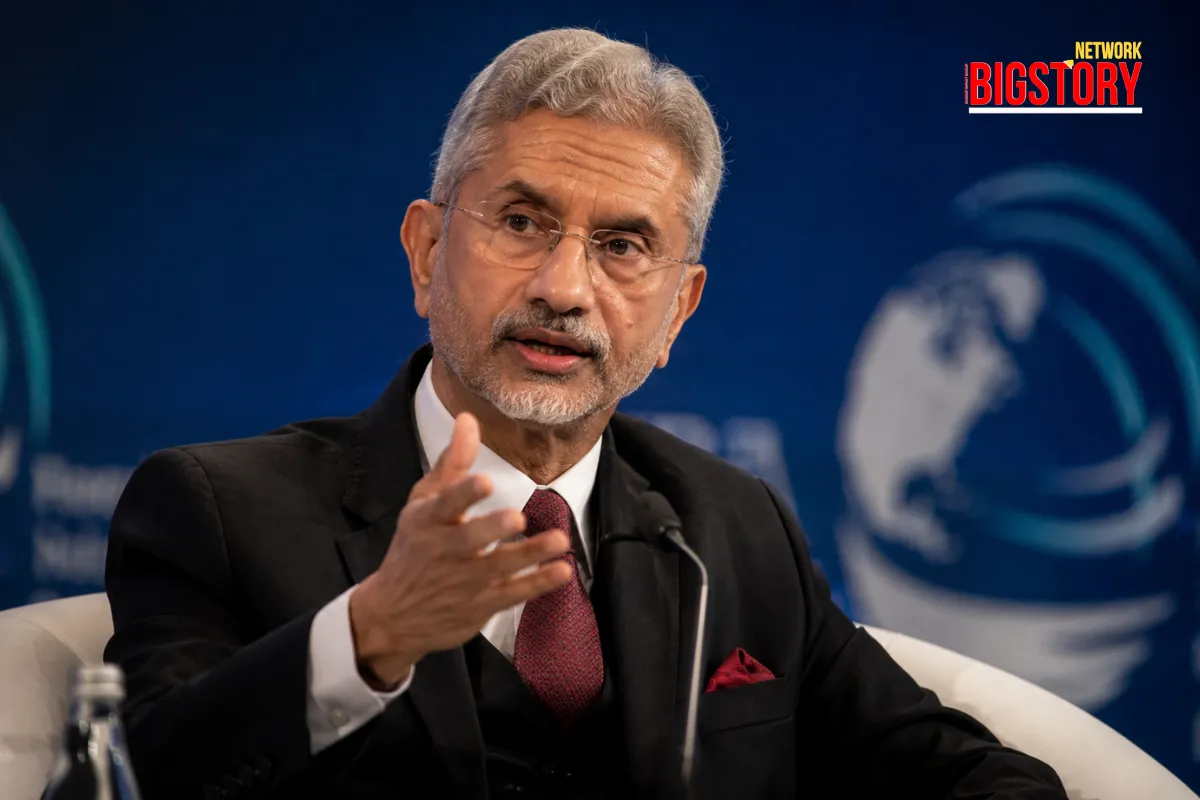
S. Jaishankar, External Affairs Minister, India Jaishankar is coordinating the incredibly complex, high-wire diplomatic negotiations required to secure safe passage for Indian bus convoys. These convoys must travel hundreds of miles through Iranian territory currently controlled by highly decentralized, aggressive, and unpredictable IRGC factions.
Indian Navy & Indian Air Force (IAF) Tasked with executing the physical rescue, India's military branches are on high alert. Warships like the INS Kochi have been rapidly diverted to the Gulf of Oman near Chabahar port. Simultaneously, massive IAF C-17 Globemasters are on standby in neighboring neutral airspace, prepared for rapid airlifts if temporary, safe aerial windows magically open.
The Indian Diaspora in Iran The stranded citizens are the desperate focus of this mission. Over 4,000 Indian nationals, primarily medical students studying in Tehran and Shiraz, alongside religious pilgrims stranded in Qom, are currently caught in the crossfire of a headless regime enduring massive, sustained international airstrikes.
International media is currently fixated on the chaotic, terrifying scenes in Tehran: the absolute closure of Iranian airspace, the panic at international airports, and foreign embassies scrambling to shred classified documents before abandoning their diplomatic posts. While other nations remain trapped by the closure of Tehran's international airport and the violent blockade of the Strait of Hormuz, India possesses a unique geographic and strategic "cheat code."
That cheat code is Chabahar Port. Located in southeastern Iran, deliberately outside the immediate, volatile choke point of the Strait of Hormuz, Chabahar was developed over the last decade with heavy, strategic Indian investment. New Delhi is now utilizing this commercial port as a sovereign staging ground. Rather than attempting impossible airlifts from a burning capital, India is quietly moving its citizens overland to Chabahar. From there, the Indian Navy can extract them safely via the deep waters of the Gulf of Oman, bypassing the hottest combat zones entirely. This rescue transforms a long-term economic investment into an immediate, life-saving geopolitical asset.
When commercial airspace closes and international law breaks down, the only thing that guarantees a citizen's safety is the hard power of their passport and the warships waiting at the port.
 Exclusive Content






Sign up for the Daily newsletter to get your biggest stories, handpicked for you each day.


 Trending Now! in last 24hrs