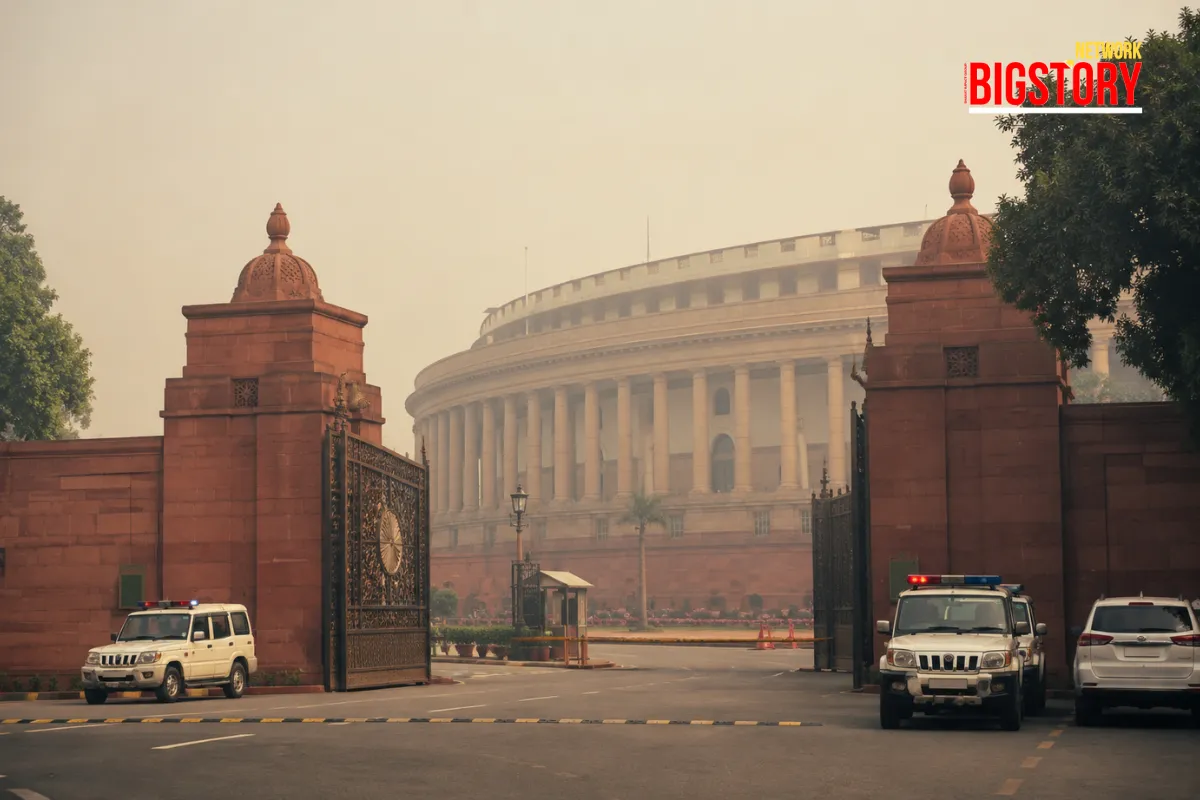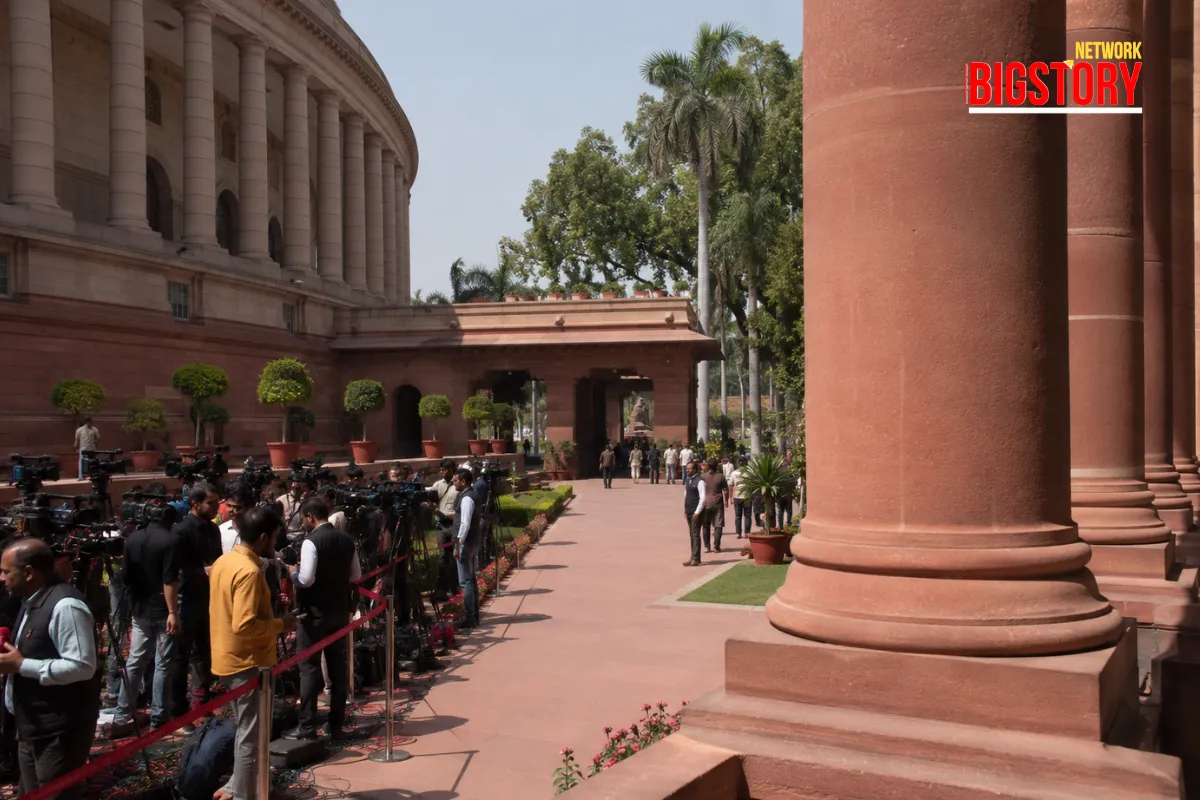
Just days before a highly unusual special parliamentary session, the Centre's plan to fast-track the women's quota by immediately redrawing Lok Sabha constituencies has triggered massive allegations of a constitutional assault.
 Brajesh Mishra
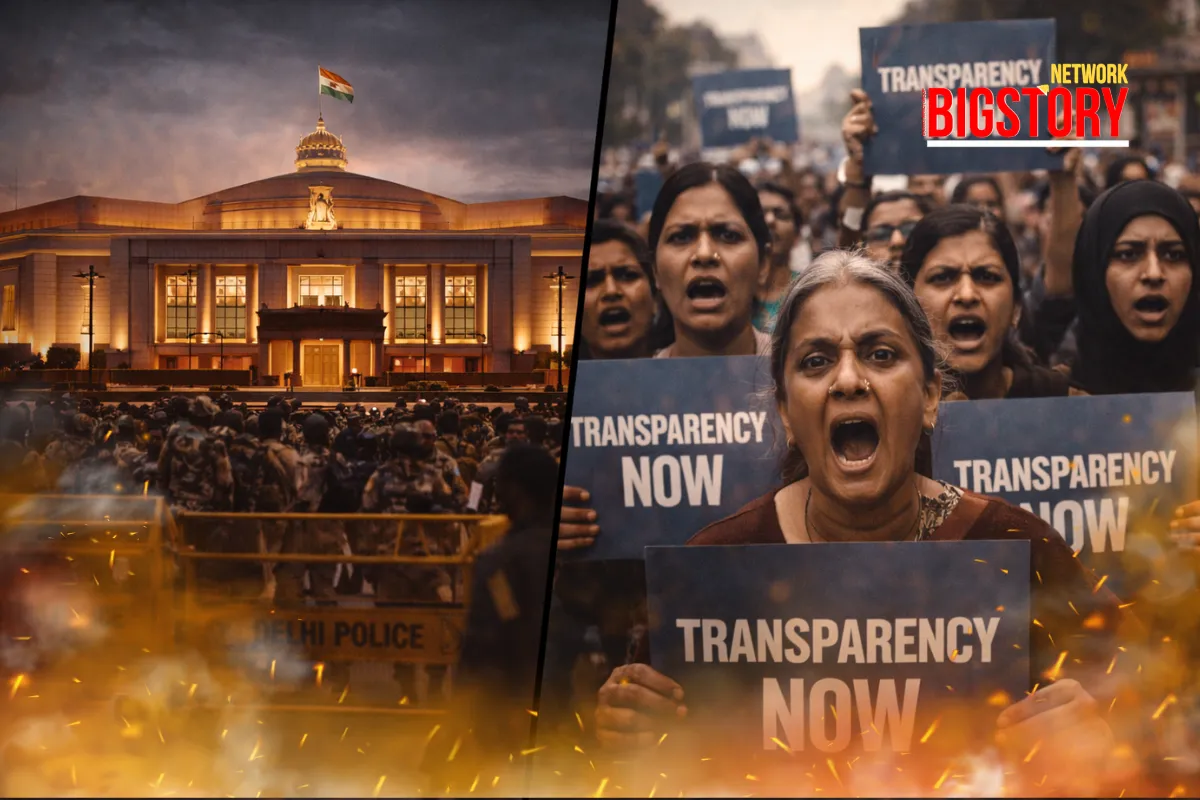
The Modi government’s push to fast-track the historic Women’s Reservation Act has ignited a massive political firestorm just days before lawmakers convene. On Tuesday, April 14, 2026, opposition leaders, civil rights activists, and academics launched a coordinated, heavy attack on the Centre's proposed amendments, accusing the government of rushing a "dangerous" delimitation exercise under the guise of women's empowerment.
The confrontation centers on a highly unusual, three-day special extension of the Budget Session scheduled from April 16 to 18. The sole agenda is to pass crucial amendments to the 2023 Nari Shakti Vandan Adhiniyam, theoretically ensuring the 33% female quota is implemented in time for the 2029 Lok Sabha elections.
Attempting to build a consensus ahead of the session, Prime Minister Narendra Modi wrote a formal letter to floor leaders urging them to pass the bill with "one voice." He noted that the opposition previously demanded the law's immediate implementation and stated that any further delay would be a "gross injustice" to the women of India.
However, the outreach has backfired. Over 250 prominent academics, former civil servants, and activists—including prominent voices like Anjali Bharadwaj and Jayati Ghosh—released a blistering joint statement on Tuesday. They slammed the "secretive, non-democratic manner" in which the cabinet cleared the draft bills, alleging the government flatly violated the Pre-legislative Consultation Policy by keeping the exact text hidden from the public.
Rejecting the Prime Minister's written outreach, Congress President Mallikarjun Kharge called out the government for denying a formal, traditional all-party meeting. To counter the Centre, the Congress has rapidly organized its own parallel all-party meeting on April 15 to consolidate the INDIA bloc's strategy.
The core of the outrage is not about women's reservation itself—which virtually all parties publicly support—but the "Trojan Horse" attached to the fine print: Delimitation.
The original 2023 Act legally tied the women's quota to a fresh census. Because the 2021 Census was massively delayed and is only just beginning, the government's new amendment aims to bypass this entirely. The Centre reportedly wants to use 2011 Census data to immediately redraw constituencies.
Congress leader Sonia Gandhi published a scathing article on Tuesday, stating unequivocally that women's reservation "is not the issue here." She slammed the delimitation proposals as "extremely dangerous" and an "assault on the Constitution."
The opposition argues that recalculating Lok Sabha seats based purely on raw population arithmetic—without a modernized, equitable demographic formula—will severely punish Southern states that successfully controlled their population growth over the last fifty years. Simultaneously, it will disproportionately hand massive blocks of new parliamentary seats to populous Northern states like Uttar Pradesh and Bihar, permanently altering the balance of federal power.
While the political rhetoric focuses on the North-South divide, the true "Missed Angle" here is the sheer, unprecedented scale of the logistical earthquake the government is planning for 2029.
To implement a sweeping 33% women's quota without actively cutting into the existing seats held by entrenched male politicians, the draft amendment reportedly plans an architectural shock to the system: expanding the Lok Sabha from its current 543 seats to a staggering 816 seats (reserving 273 exclusively for women).
Pushing through a 50% expansion of India's supreme legislative body in a hurried, three-day session—right in the middle of a highly volatile state election season in West Bengal—is the ultimate power play. The opposition rightly suspects the ruling party is leveraging the undeniable emotional and moral weight of "Nari Shakti" to bulldoze a permanent, mathematically insurmountable structural advantage into the Constitution before the next general election.
News & Wire Coverage:
 Exclusive Content






Sign up for the Daily newsletter to get your biggest stories, handpicked for you each day.



 Trending Now! in last 24hrs