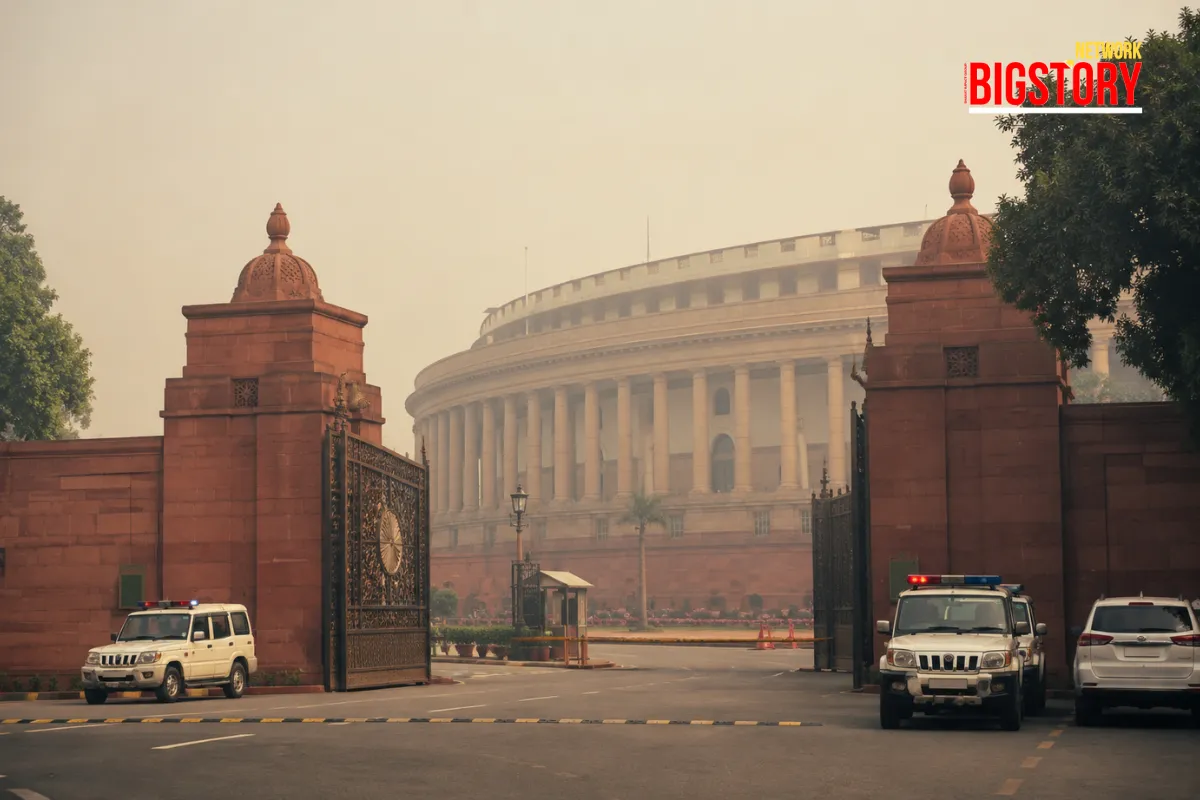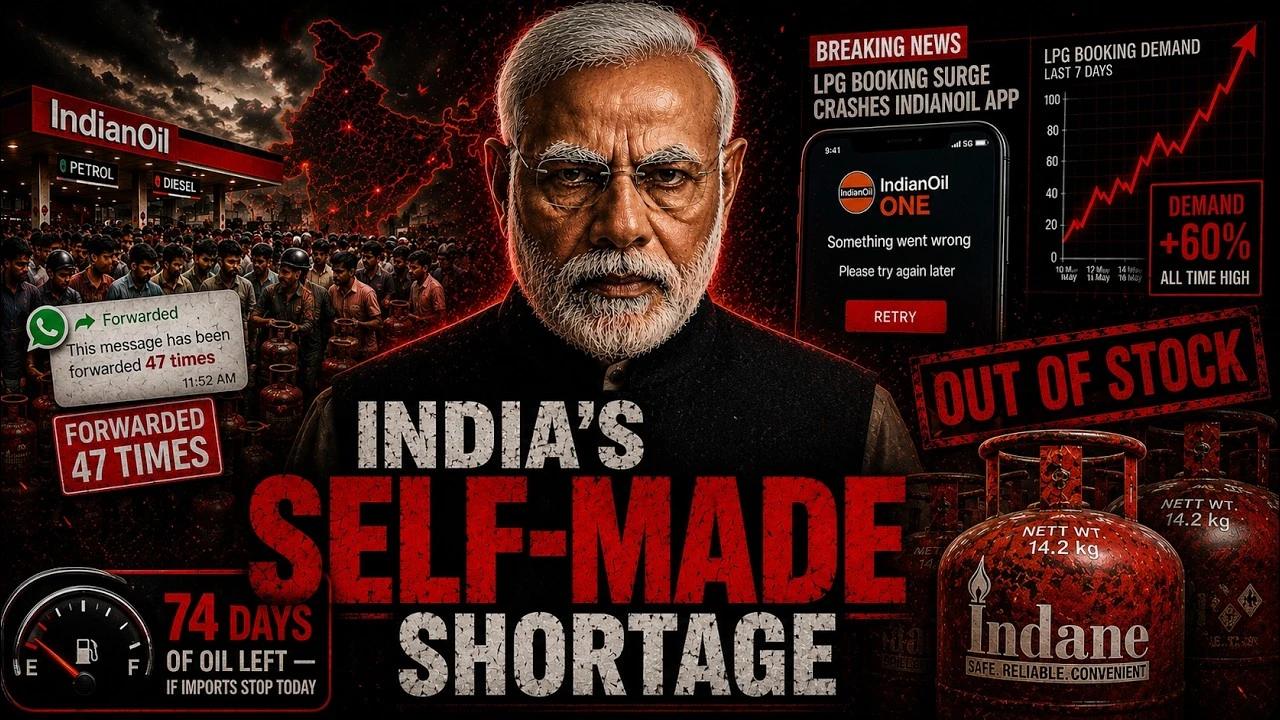
By forcibly diverting commercial LPG to prevent domestic voter panic, the Centre has effectively sacrificed the urban hospitality and MSME sectors to absorb the shock of the Hormuz blockade.
 Brajesh Mishra

The sudden bengaluru hotels lpg gas shortage 2026 crisis has pushed India's tech capital to the brink of a massive hospitality shutdown. On Tuesday, the Bengaluru Hotels Association issued an urgent ultimatum, warning that thousands of eateries will close their kitchens after oil marketing companies abruptly halted all commercial gas deliveries without prior notice.
This immediate localized disruption stems directly from the ongoing West Asia conflict. With 90 percent of India's LPG imports routed through the paralyzed Strait of Hormuz, the Centre's decision to drastically ration fuel threatens the daily food supply of lakhs of IT professionals, students, and gig workers who rely entirely on the city's 40,000 commercial eateries.
Siddaramaiah, Chief Minister, Karnataka The Chief Minister is intervening forcefully on behalf of the state's hospitality sector. He warned the Centre that abruptly starving commercial users of fuel disrupts the daily lives of lakhs of residents and severely impacts the local economy.
Dinesh Gundu Rao, Health Minister, Karnataka Rao is actively politicizing the energy shortfall. He links the severe gas shortage directly to New Delhi's foreign policy alignment, arguing that the Centre's pro-American stance in the Middle East created the domestic crisis.
P C Rao, Honorary President, Bangalore Hotels Association Rao issued the ground-level ultimatum for the industry. He stated plainly that kitchens cannot operate beyond Tuesday evening, confirming that without an immediate gas allocation, hotels will simply not open for business.
Mainstream coverage treats the Bengaluru hotel shutdown as a localized civic nuisance, focusing on restricted menus and political letter-writing. This perspective fundamentally ignores the severity of the Centre's March 9 directive invoking the Essential Commodities Act. By deliberately and forcibly diverting all available commercial gas to domestic households and hospitals, the government made a calculated political choice to sacrifice the hospitality and MSME sectors to prevent retail voter panic.
This prioritization proves that the Strait of Hormuz blockade has officially breached India's strategic energy buffers. The West Asia war is no longer a distant geopolitical event; it is an active, localized economic rationing crisis. Forcing 40,000 eateries to close threatens massive daily revenue losses and instantly destabilizes the urban survival ecosystem for Bengaluru's massive migrant, student, and gig-economy populations who have no alternative daily food source.
If the government's only strategy to manage a geopolitical supply shock is to instantly suffocate the commercial businesses that feed India's economic hubs, how exactly does the country plan to survive a prolonged war in the Middle East?
YOUR MOVE:
If you rely on daily hotel meals or PG accommodations in Bengaluru, arrange alternative electric-cooking options such as induction stoves immediately. Resource: Follow updates from the Bangalore Hotels Association on temporary menu timings and potential partial closures.
SOURCES
News & Wire Coverage:
Official Statements & Data:
 Exclusive Content





Sign up for the Daily newsletter to get your biggest stories, handpicked for you each day.


 Trending Now! in last 24hrs