With Mojtaba Khamenei installed as Supreme Leader under active American bombardment, New Delhi's continued diplomatic silence threatens its entire strategic foothold in West Asia.
 Sseema Giill
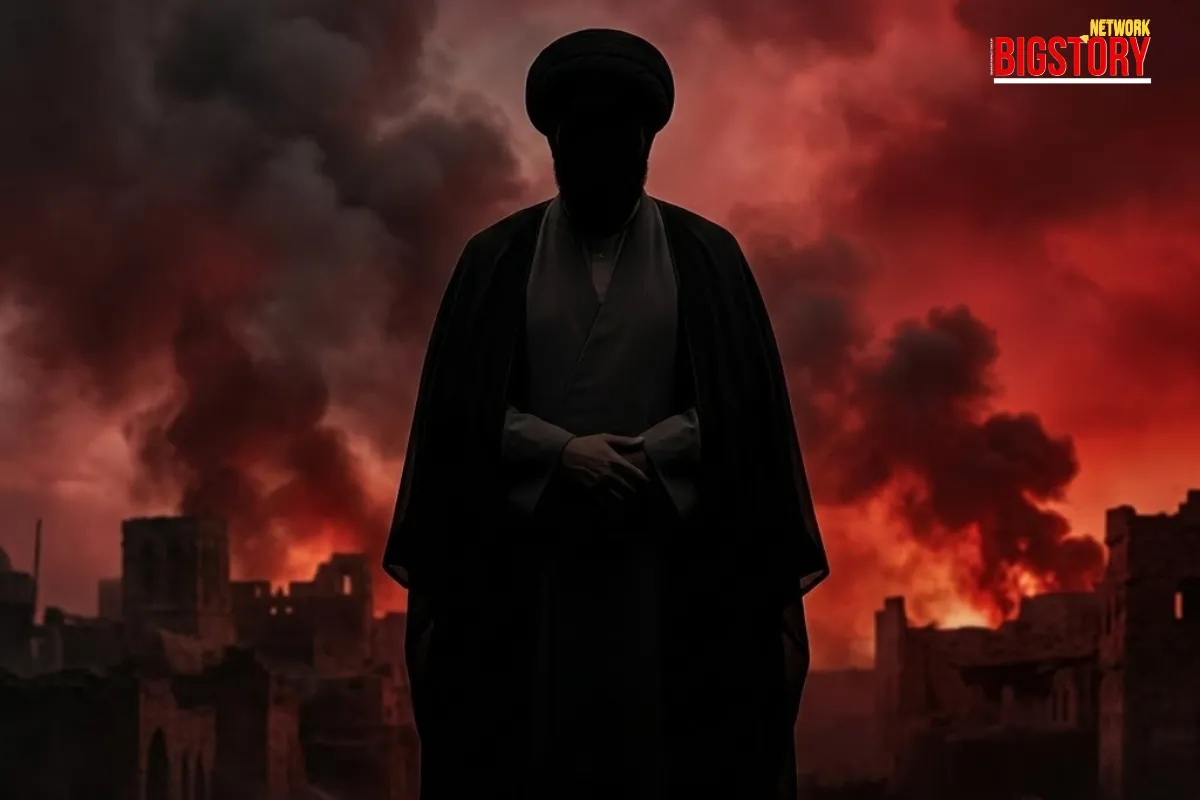
The new supreme leader mojtaba khamenei of forces New Delhi into its most precarious diplomatic corner of the decade. Iran's Assembly of Experts named 56-year-old Mojtaba Khamenei as the third Supreme Leader just after midnight on March 8, placing a hardline, IRGC-backed cleric at the helm of a nation currently under intense US-Israeli bombardment.
This succession immediately destabilizes global markets and Indian strategic interests. With oil prices breaching $115 per barrel and the vital Chabahar port agreement hanging in the balance, India's continued diplomatic silence on the appointment is rapidly becoming an untenable position that alienates Tehran while inviting American pressure.
Mojtaba Hosseini Khamenei, Supreme Leader, Iran
The 56-year-old cleric now commands the IRGC, Iran's nuclear programme, and all state affairs. Installed under wartime pressure, he represents a hardline continuity that holds the keys to India's Central Asian trade routes while operating under active American assassination threats.
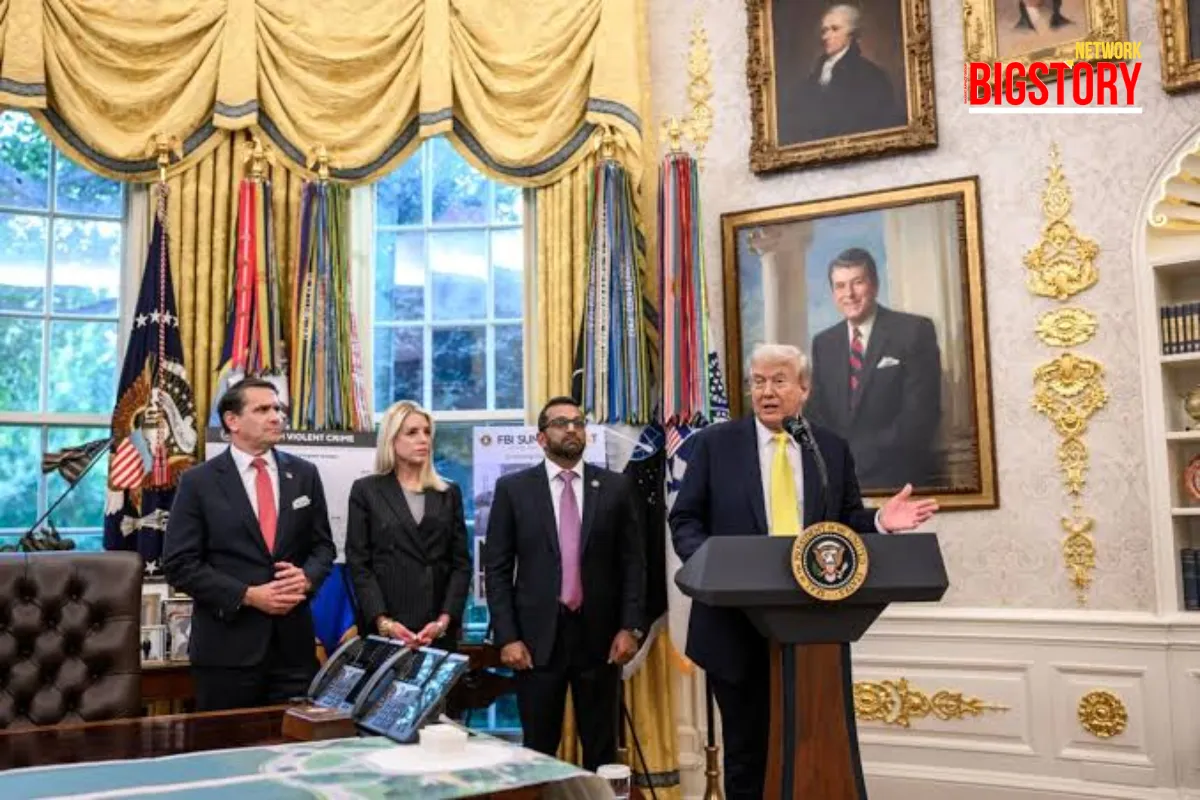
Donald Trump, President of the United States
Trump transformed a domestic Iranian succession into a global ultimatum. By demanding US approval for any new Iranian leader and threatening Mojtaba's survival, he forces allied and neutral nations to choose between recognizing Iranian sovereignty and triggering American wrath.
S. Jaishankar, External Affairs Minister, India
Jaishankar navigates an actively collapsing balancing act. He briefed the Rajya Sabha on the crisis but maintained a strict official silence regarding Mojtaba's appointment, a posture that endangers India's vast strategic investments in Iran if interpreted as abandonment.
Mainstream international coverage treats this solely as a story of hardline continuity and Iranian defiance, completely missing the impossible diplomatic bind currently choking New Delhi. India has not officially acknowledged Mojtaba Khamenei's appointment. In the high-stakes theater of West Asia, this silence functions as a deliberate diplomatic posture. Trump publicly threatened to kill the new leader, while Russia and China immediately offered unwavering support. If India formally recognizes Mojtaba, Washington will read it as a direct challenge to Trump's stated ultimatum regarding Iranian regime change.
Conversely, continuing this silence signals alignment with Washington to an already suspicious Tehran. Mojtaba owes his sudden elevation entirely to the IRGC, an organization that expects absolute loyalty and reads diplomatic hesitation as hostility. India's $2 billion trade relationship, its 10-year operating agreement for the Chabahar port bypassing Pakistan, and the physical safety of its 10 million Gulf diaspora are now wholly contingent on a relationship with a man New Delhi currently refuses to publicly recognize.
If acknowledging a sovereign nation's new head of state triggers American retaliation, does India's much-touted strategic autonomy actually exist when the bombs start falling?
News & Wire Coverage:
Official Statements & Data:
 Exclusive Content


Sign up for the Daily newsletter to get your biggest stories, handpicked for you each day.

 Trending Now! in last 24hrs