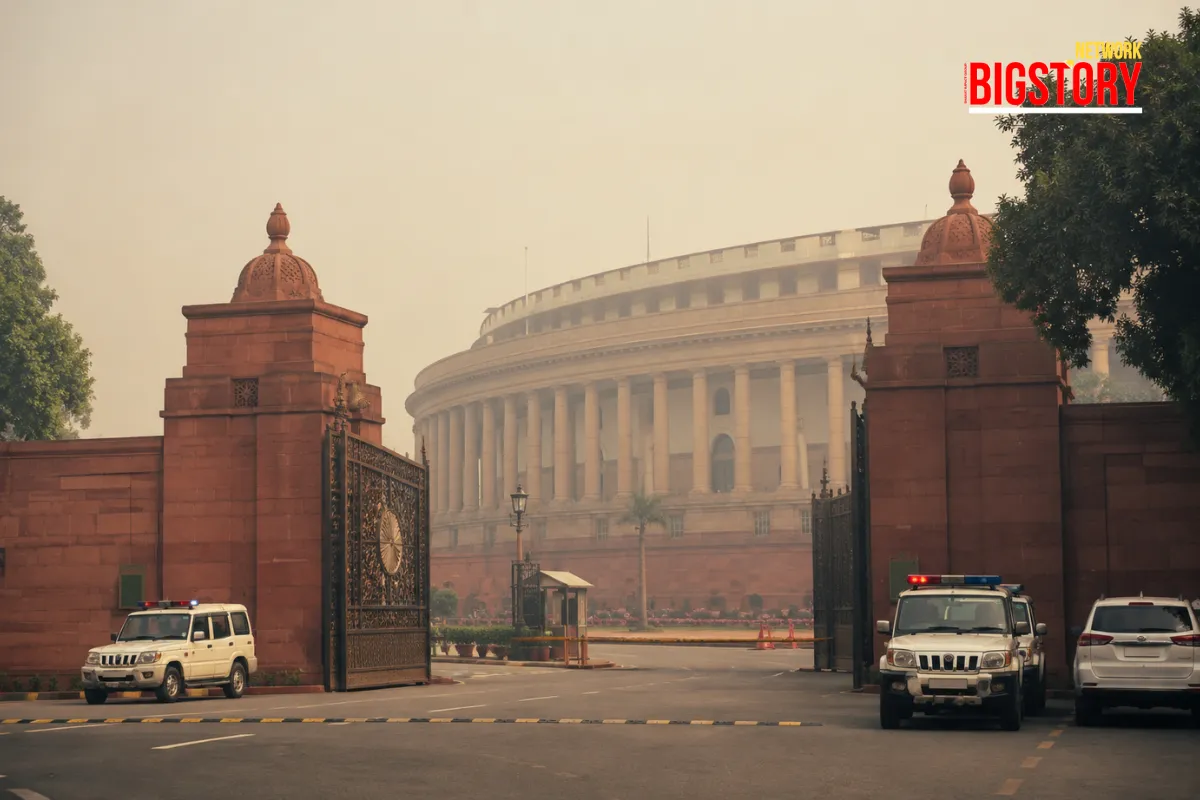
After dominating the state's political landscape for nearly two decades, Nitish Kumar has officially stepped down to move to the Rajya Sabha, triggering a historic transfer of power in the Hindi heartland.
 Brajesh Mishra
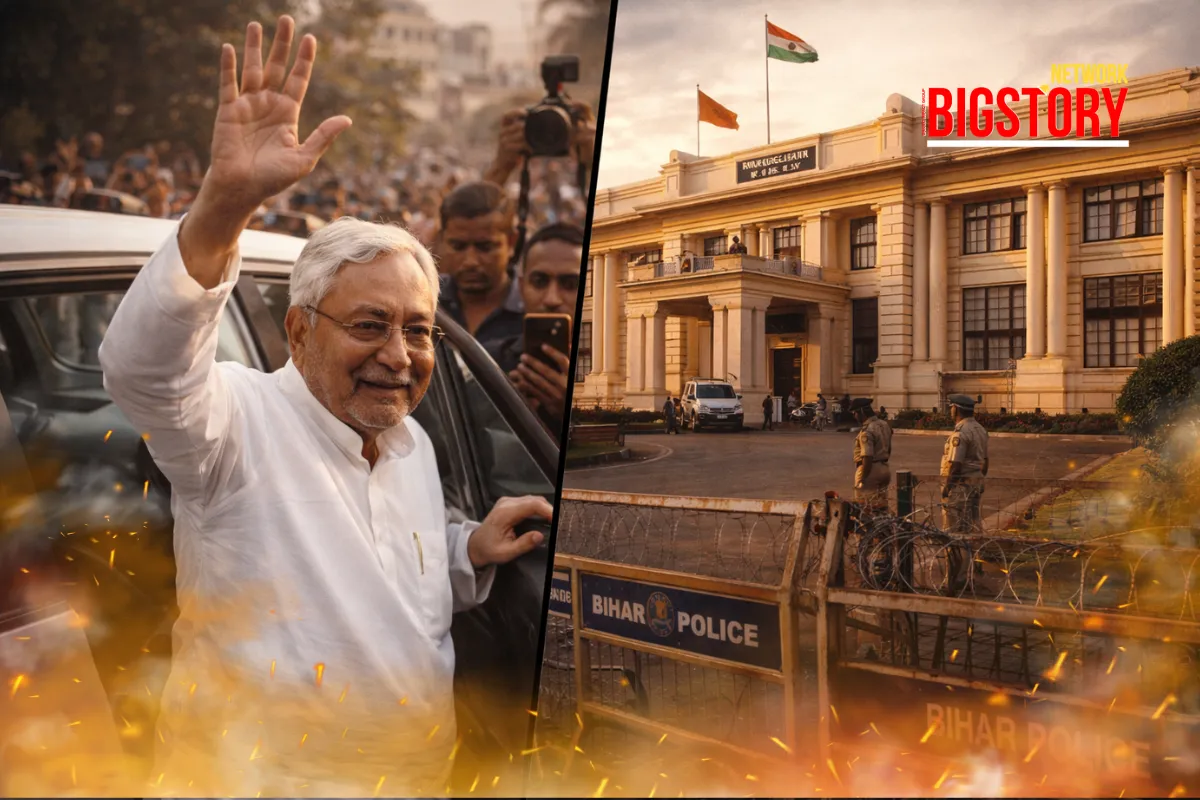
An absolute era has just ended in Bihar politics. After dominating the state's political landscape for nearly two decades, Nitish Kumar officially resigned as Chief Minister today, Tuesday, April 14, 2026, clearing the path for the Bharatiya Janata Party (BJP) to take the state's top job for the first time in history.
The historic transition unfolded rapidly this afternoon. After chairing his final state cabinet meeting and dissolving his council of ministers, Nitish Kumar formally tendered his resignation to Governor Lt. Gen. (Retd.) Syed Ata Hasnain at Lok Bhawan shortly after 3:00 PM.
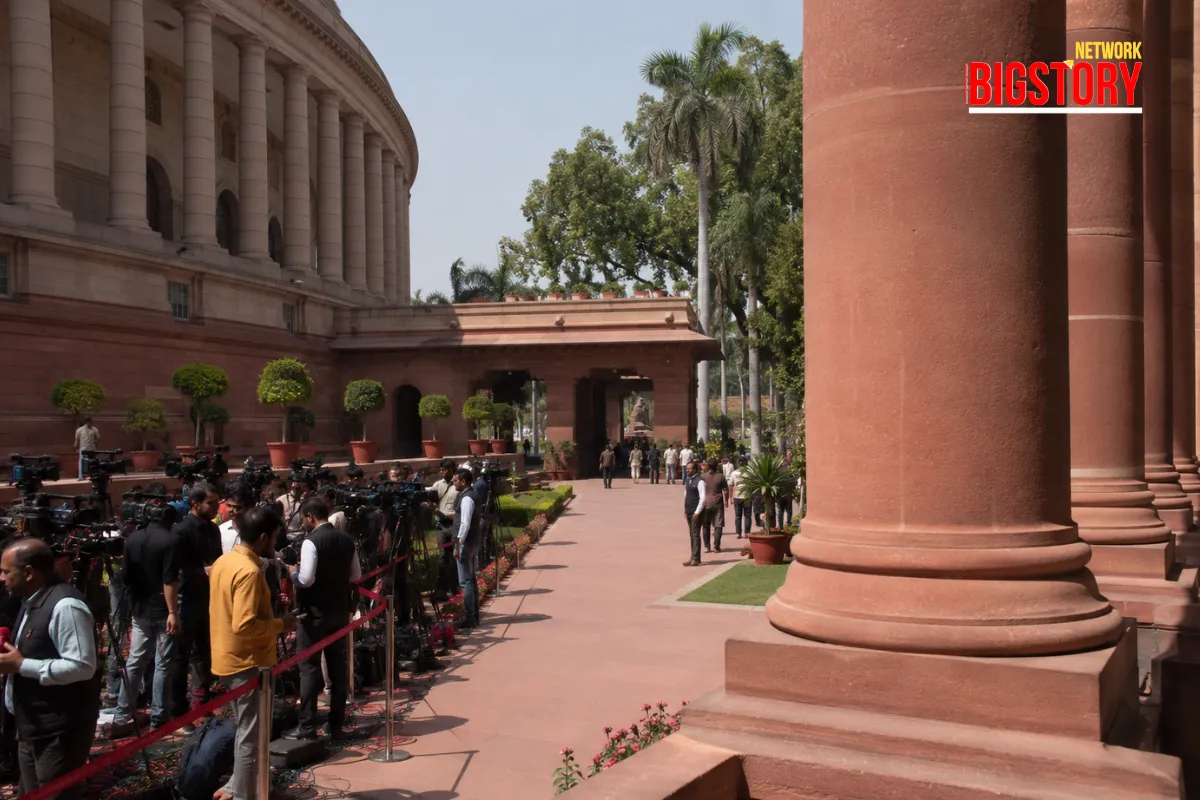
This move, while monumental, was heavily anticipated. Kumar recently won an unopposed election to the Rajya Sabha and took his oath as a Member of Parliament in New Delhi on April 10. He is the first sitting Chief Minister of Bihar to announce a direct shift to the Upper House of Parliament.
With the seat now vacant, an NDA legislature party meeting is actively underway at the Central Hall of the Bihar Legislative Assembly. Overseen by BJP central observer Shivraj Singh Chouhan, the alliance is formally electing its new leader. Current Deputy Chief Minister Samrat Choudhary is widely considered the absolute frontrunner for the Chief Minister post, alongside Union Minister Nityanand Rai.
The new BJP-led government is scheduled to take its oath tomorrow morning, April 15, with Prime Minister Narendra Modi expected to be in attendance.
Despite being a dominant, foundational coalition partner in the National Democratic Alliance (NDA) for years, the BJP has never managed to secure the Chief Minister's chair in Bihar.
Following their massive performance in the 2025 assembly elections—where the BJP secured 89 seats to become the single-largest party—this transition finally gives the saffron party independent, executive control of the crucial Hindi heartland state.
The timing of the transition is also steeped in heavy political and cultural symbolism. April 14 marks Dr. B.R. Ambedkar’s birth anniversary, but it also coincides with the conclusion of the Kharmas period—an inauspicious month in the Hindu calendar where major political and personal shifts are traditionally strictly avoided in the region.
While the media spotlight is fixated on the BJP finally claiming the Chief Minister's chair, the true "Missed Angle" in Nitish Kumar’s exit is the quiet dynastic transition unfolding in the background.
JD(U) leaders are heavily, aggressively lobbying for Kumar’s only son, Nishant Kumar—who formally joined the party just a month ago—to be appointed as one of the new Deputy Chief Ministers.
For decades, Nitish Kumar cultivated an image distinct from the dynastic politics of his rivals. However, planting his son in the deputy seat just as he moves to Delhi is a calculated survival mechanism. It ensures the Kumar faction retains a firm, physical grip on the state’s power dynamics and guarantees the JD(U)'s political legacy isn't entirely swallowed and erased by the incoming BJP machinery.
 Exclusive Content






Sign up for the Daily newsletter to get your biggest stories, handpicked for you each day.



 Trending Now! in last 24hrs