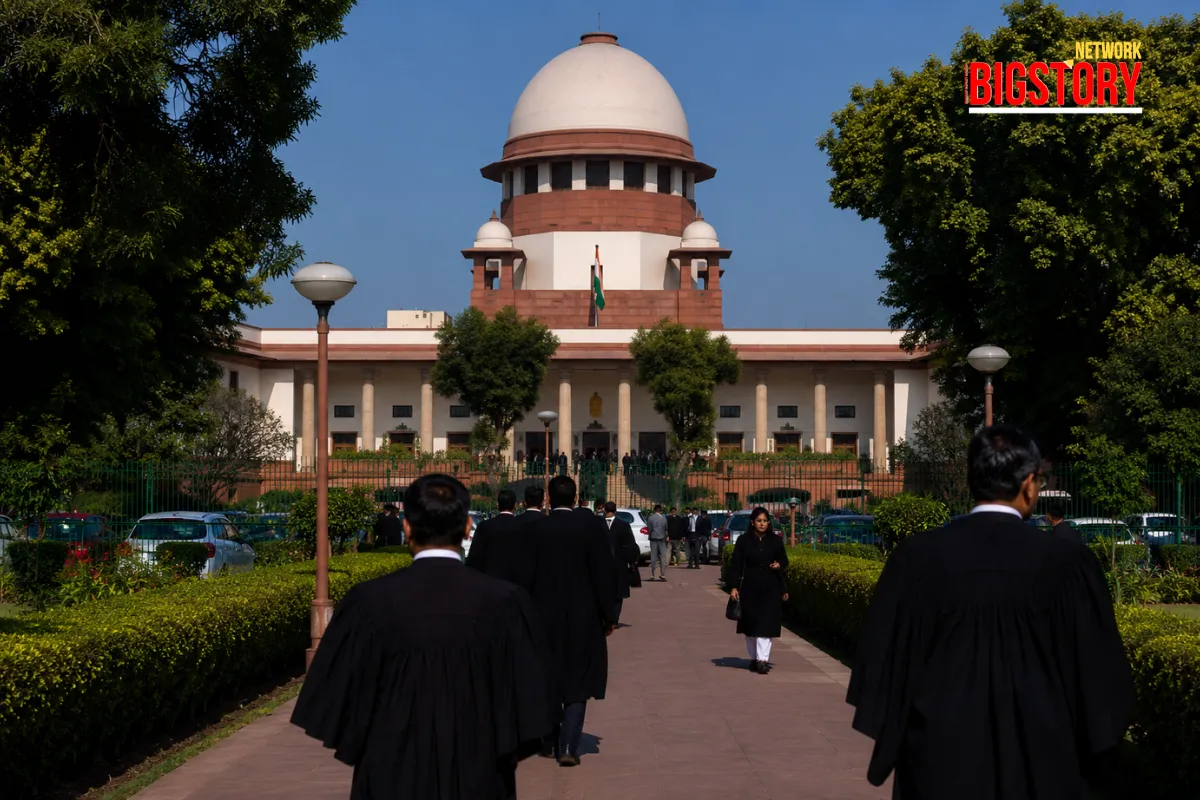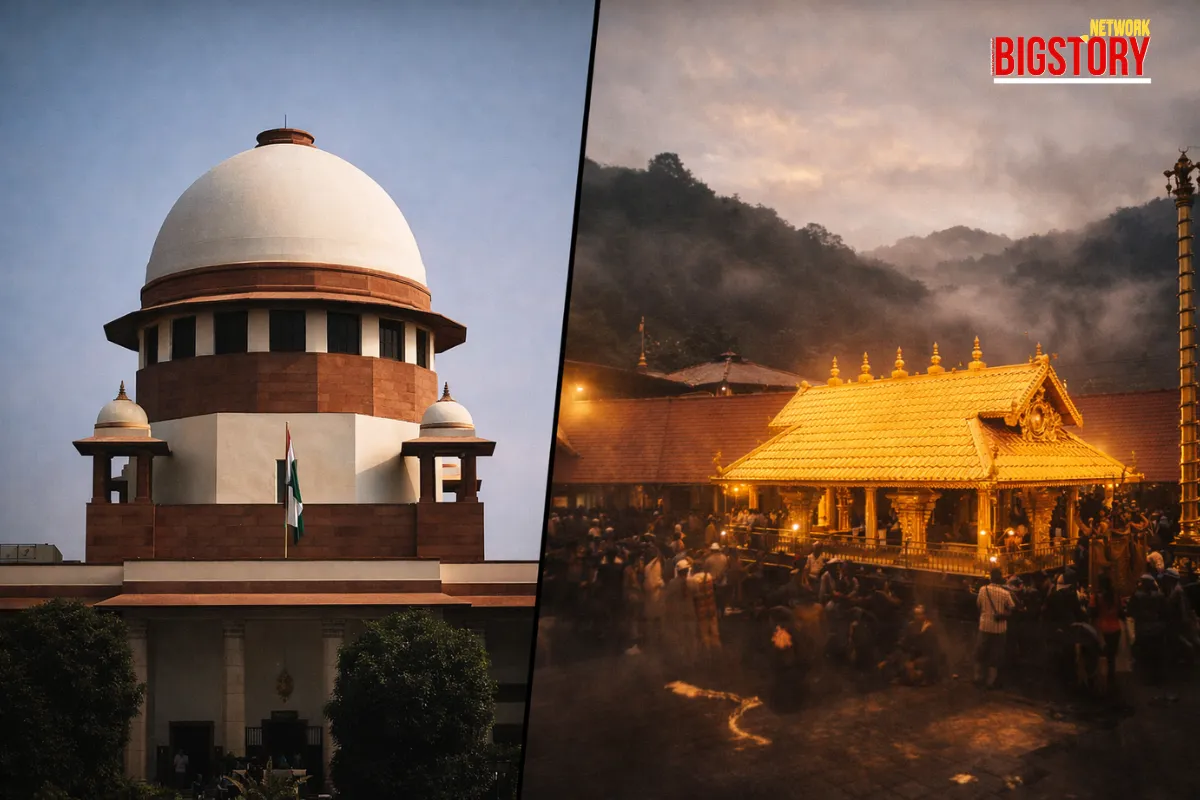
As the Supreme Court officially commences its review of the landmark 2018 temple entry verdict, the Central government argues that centuries-old religious doctrines must remain safely outside the scope of judicial review.
 Brajesh Mishra
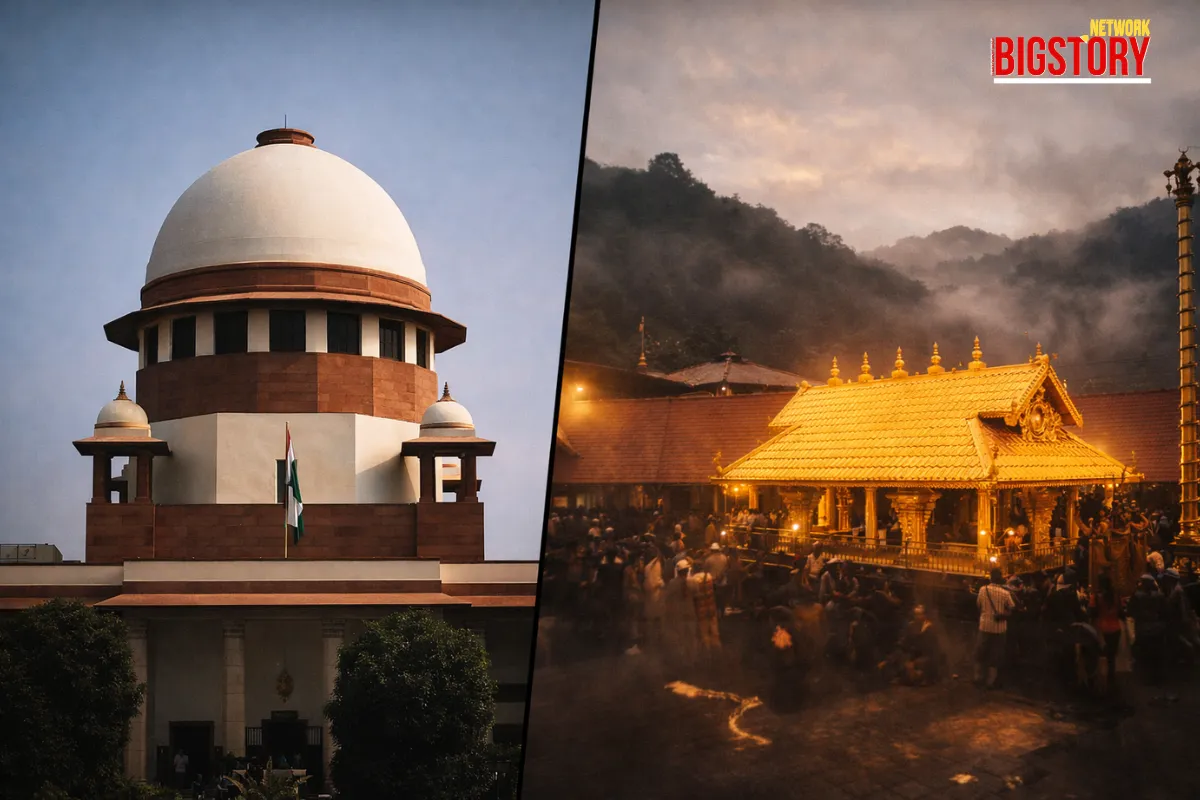
The Supreme Court of India has officially commenced its highly anticipated hearings on the Sabarimala temple entry case today, April 7, 2026. A massive nine-judge Constitution Bench, led by Chief Justice of India (CJI) Surya Kant, has begun examining the review petitions against the landmark 2018 verdict that previously permitted women of all ages to enter the sacred hill shrine in Kerala.
Setting a strict and rapid timeline, the CJI announced that arguments from parties supporting the traditional age restrictions will be heard between April 7 and 9, followed by those opposing the review from April 14 to 16, culminating in concluding arguments by April 22.
On the opening day, Solicitor General Tushar Mehta, representing the Central Government, argued forcefully in favor of the review petitioners, asking the apex court to uphold the traditional restrictions on women of menstruating age (10–50 years).
The Centre submitted that matters of religious faith, ancient doctrine, and the unique character of the deity—Lord Ayyappa being revered as a Naishtika Brahmachari (eternal celibate)—fall squarely within the domain of denominational autonomy. SG Mehta asserted that such theological constructs should remain entirely outside the scope of judicial review.
He further argued that forcing a straight-jacket, judicial definition of what constitutes an "essential religious practice" would negatively compress the pluralistic and highly diverse nature of Hinduism. Pushing back against critics, SG Mehta explicitly stated that the temple's tradition is not rooted in "patriarchy," insisting that such western concepts do not align with India's societal framework, which historically places women on a "higher pedestal."
Notably, the hearings also highlighted a massive political pivot. The Left Democratic Front (LDF) government in Kerala has significantly moderated its previously firm stance.
While the state machinery actively and aggressively supported the entry of women during the initial 2018 hearings, their latest affidavit stops short of explicitly supporting or opposing the ban. Instead, the state government diplomatically suggested that any judicial review of centuries-old religious practices should only be enacted after conducting wide consultations with eminent religious scholars and community leaders.
While the media focus remains fiercely glued to the gates of Sabarimala, the true "Missed Angle" is that this nine-judge bench is no longer just deciding a single temple dispute.
The Supreme Court has framed seven sweeping constitutional questions regarding the complex interplay between the fundamental right to equality and the right to practice religion. This makes it an "Omnibus Religion Bench." The eventual ruling handed down here will serve as the definitive legal precedent for several other highly explosive religious cases currently pending in the country.
This single judgment will directly determine:
News & Wire Coverage:
 Exclusive Content






Sign up for the Daily newsletter to get your biggest stories, handpicked for you each day.



 Trending Now! in last 24hrs