In a massive political blow to the ruling border-state government, the apex court has intervened over allegations that public infrastructure tenders were illegally channeled to the Chief Minister's immediate family for over a decade.
 Brajesh Mishra
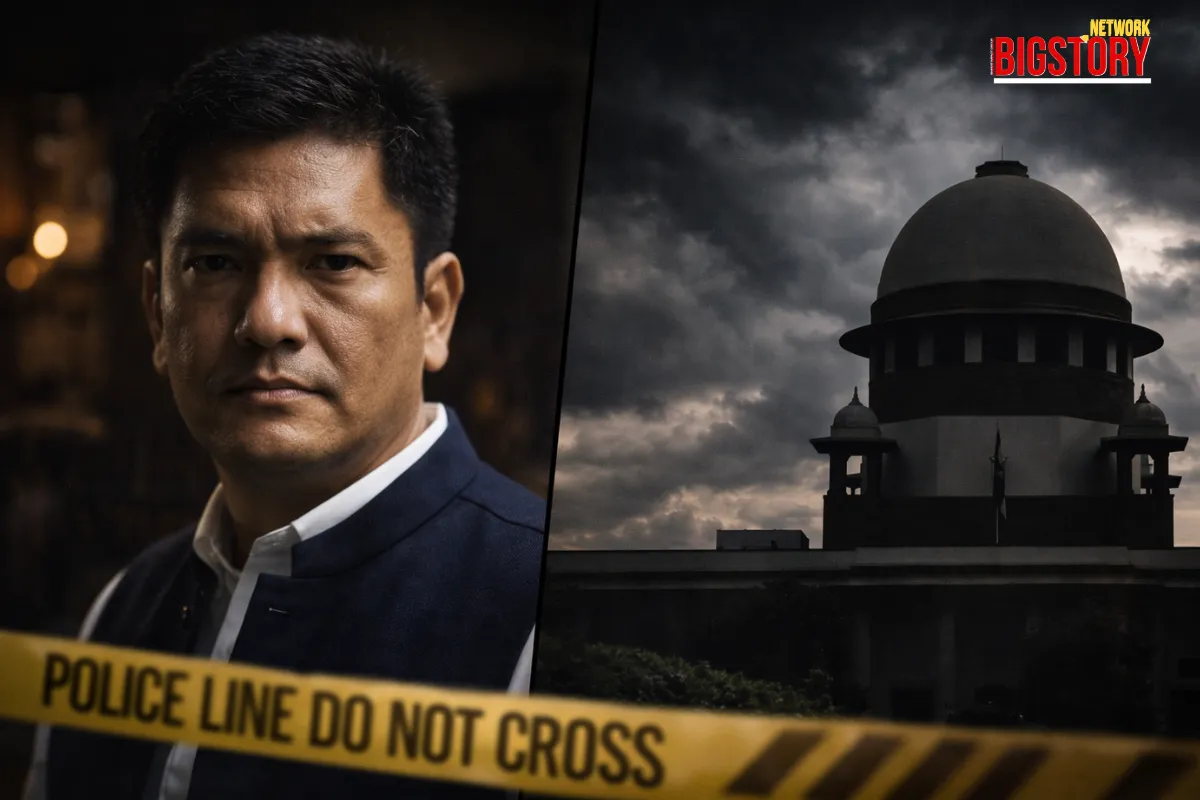
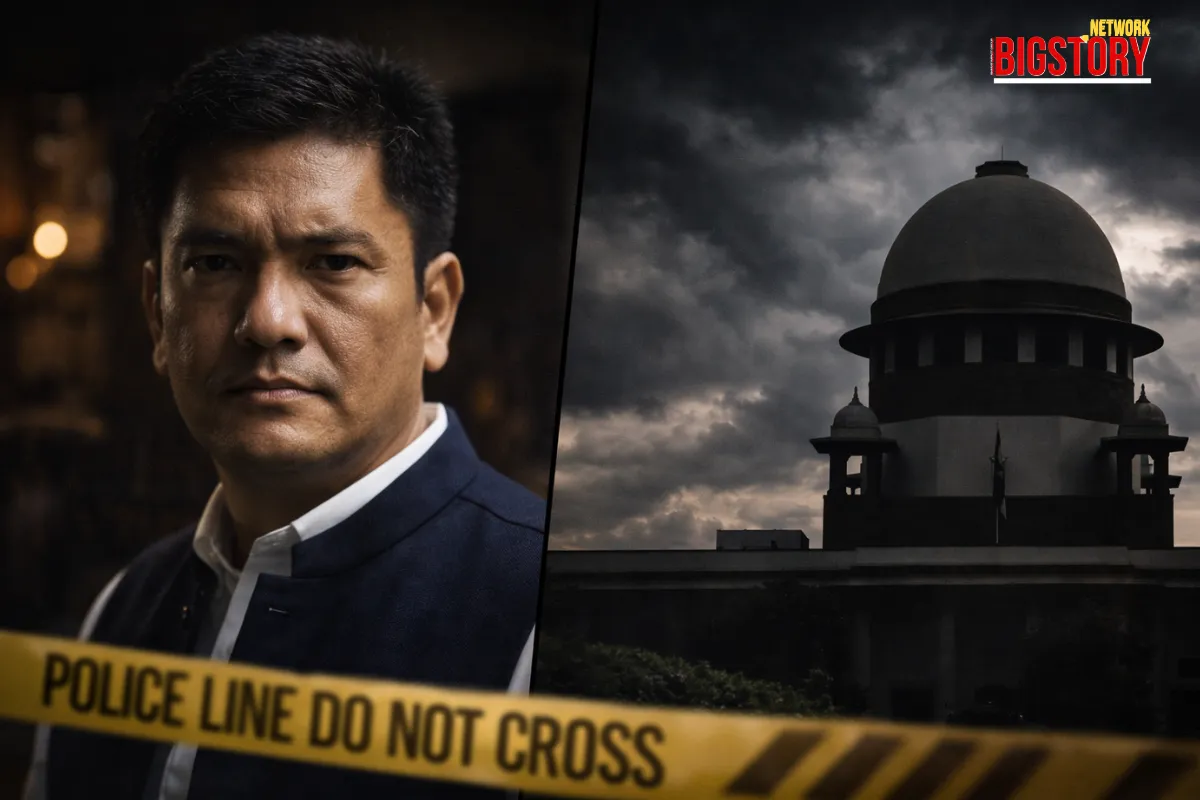
The Supreme Court of India has just delivered a massive blow to the administration in Arunachal Pradesh, ordering the Central Bureau of Investigation (CBI) to launch a preliminary inquiry into sweeping allegations of corruption and nepotism against sitting Chief Minister Pema Khandu.
On Monday, April 6, 2026, a Bench comprising Justices Vikram Nath, Sandeep Mehta, and N.V. Anjaria intervened following claims that the Chief Minister’s immediate family illegally secured public work contracts worth a staggering ₹1,270 crore over a 10-year period.
The Supreme Court acted on a Public Interest Litigation (PIL) filed by two NGOs—Save Mon Region Federation and Voluntary Arunachal Sena—represented by senior advocate Prashant Bhushan.
The petitioners laid out a damning timeline, alleging that between January 1, 2015, and December 31, 2025, highly lucrative state contracts were systematically awarded, bypassing transparent, open-tender systems. The CBI has been explicitly directed to investigate the entities that allegedly benefited from this decade-long monopoly, which heavily feature the Chief Minister's family network:
Anticipating potential bureaucratic resistance, the Supreme Court laid down uncompromising compliance parameters for the Arunachal Pradesh state government:
The CBI is required to begin the probe within two weeks and submit a comprehensive status report to the Supreme Court within 16 weeks.
While the massive ₹1,270 crore figure dominates the headlines, the true "Missed Angle" in this legal battle is the generational control over the state's Public Works Department (PWD).
The petitioners highlighted to the court that the PWD portfolio was previously held by Pema Khandu's late father, former Chief Minister Dorjee Khandu, until his death in a helicopter crash in 2011. Following his tragic passing, Pema Khandu directly took over the charge.
The core legal and ethical argument hinges on this unbroken lineage of power: the very state department controlled by the Khandu family has allegedly been channeling high-value state infrastructure tenders directly to a selective group of private firms owned by the exact same family for well over a decade. It transforms the accusation from a standard corruption charge into an indictment of a deeply entrenched, state-sponsored monopoly.
As the 16-week countdown begins, the question isn't just about who won the contracts, but whether the line between the State Government and the Khandu family business ever actually existed.
News & Wire Coverage:
 Exclusive Content






Sign up for the Daily newsletter to get your biggest stories, handpicked for you each day.



 Trending Now! in last 24hrs