Riding the immediate momentum of the India-South Korea bilateral summit, a new incubation partnership at IIT Delhi aims to co-create scalable AI solutions and provide cross-border market access for next-gen startups.
 Brajesh Mishra
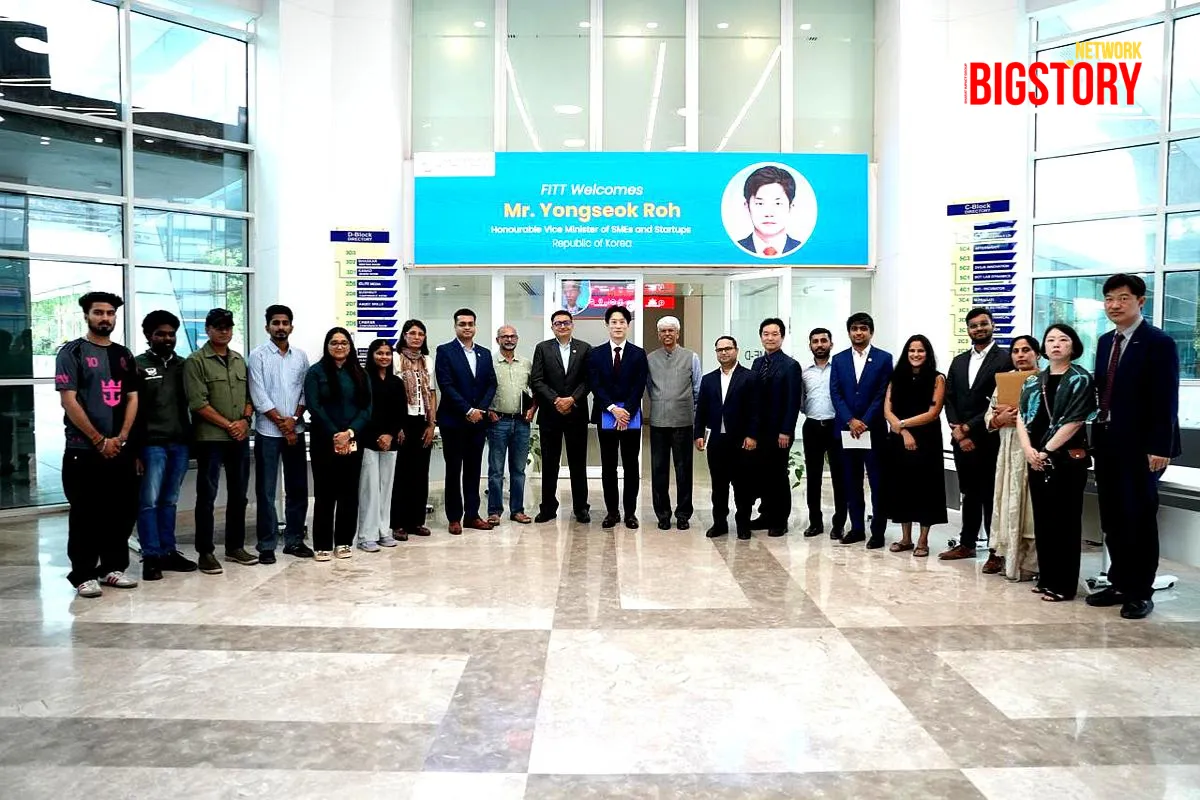
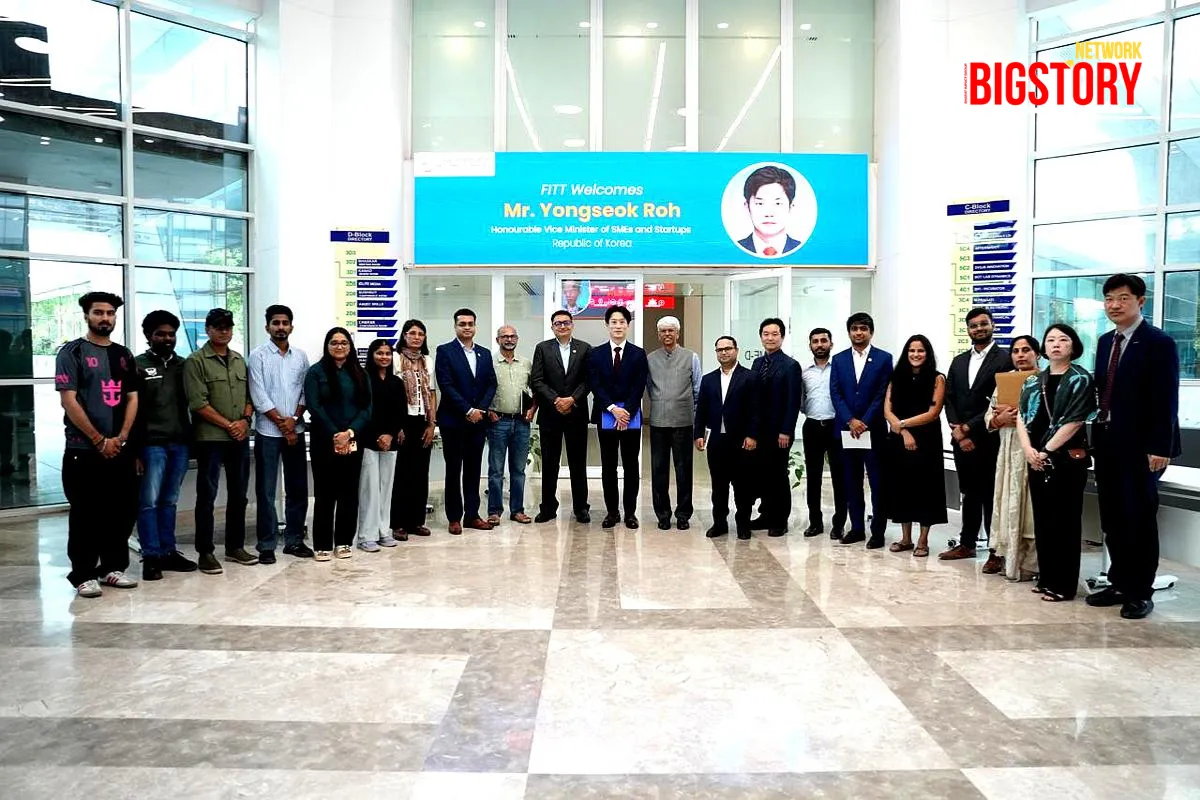
What happened: The Korea Institute of Start-up and Entrepreneurship Development (KISED) and IIT Delhi's Foundation for Innovation and Technology Transfer (FITT) have signed a formal MoU.
Why it happened: The agreement is designed to foster mutual innovation, scale AI solutions, and create a formal pipeline for South Korean deep-tech startups to enter the Indian market.
The strategic play: Under the pact, FITT will annually host Korean startups in its Unicorn Incubator, providing them with critical exposure and localized mentorship.
The aftermath: This MoU serves as the first immediate, ground-level execution of the broader tech and semiconductor integration strategy negotiated between PM Modi and President Lee earlier this week.
The diplomatic handshake between New Delhi and Seoul is already translating into ground-level action.
Just days after Prime Minister Narendra Modi and South Korean President Lee Jae-myung laid the groundwork for enhanced tech cooperation, the Korea Institute of Start-up and Entrepreneurship Development (KISED) and the Foundation for Innovation and Technology Transfer (FITT) at IIT Delhi have officially signed a Memorandum of Understanding (MoU).
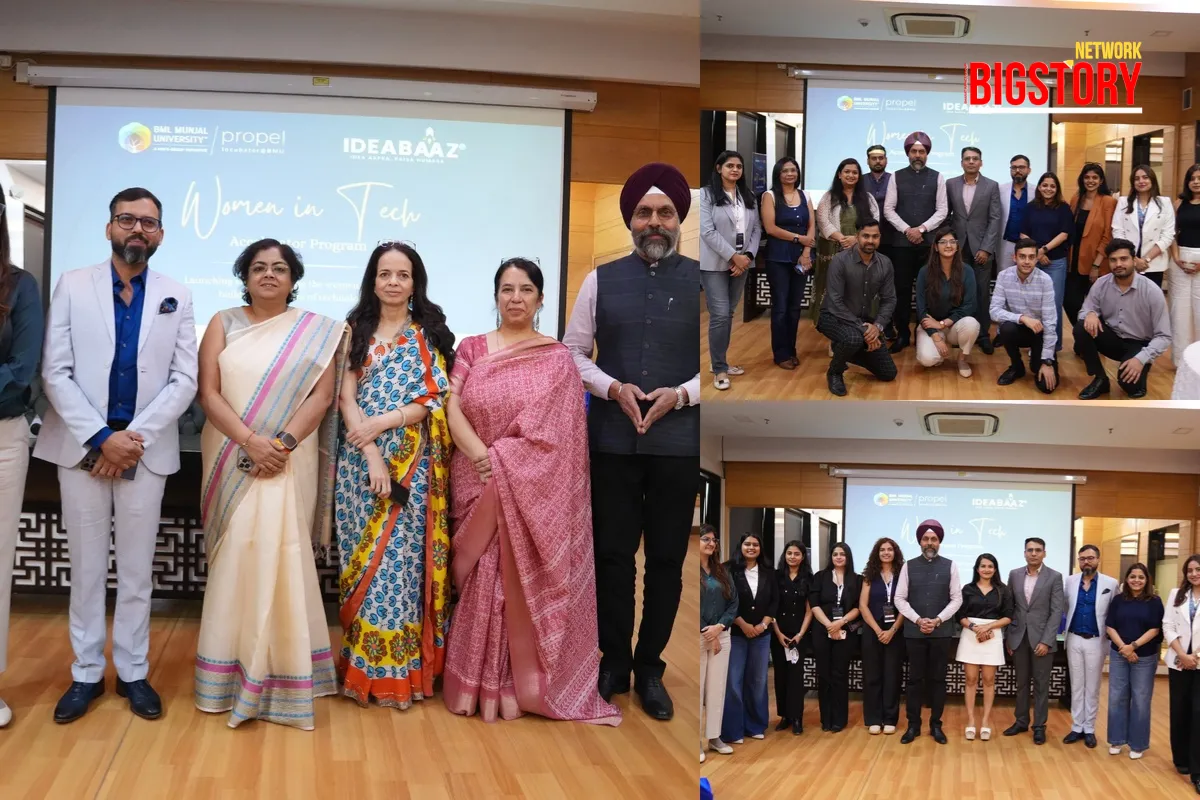
Signed at the Research and Innovation Park in New Delhi on April 21, 2026, the agreement marks a major milestone in India–Korea startup collaboration, focusing heavily on leveraging scalable Artificial Intelligence (AI) solutions and establishing a direct cross-border innovation pipeline.
KISED, the central government-backed agency operating under South Korea’s Ministry of SMEs and Startups (MSS), is responsible for driving the country’s global entrepreneurial competitiveness.
Under this new collaboration, KISED and FITT will actively work together to enable meaningful synergy between the two startup ecosystems. Specifically, FITT has committed to annually hosting cohorts of South Korean startups. Through IIT Delhi's highly regarded "Unicorn Incubator," these foreign deep-tech founders will gain direct exposure to the Indian market, regulatory landscape, and local venture capital networks.
"India and Korea are not just partners—we are innovation allies, driven by exceptional talent and a shared vision for the future," stated Mr. Yongseok Roh, Honourable Vice Minister of South Korea's MSS, who was present for the signing. "To the founders here—don’t just imagine the future, build it with us."
The leadership at IIT Delhi framed the partnership as a crucial step toward translating academic research into scalable, real-world commercial impact.
Prof. Rangan Banerjee, Director of IIT Delhi, highlighted the institution's existing synergy with South Korean industry, noting their ongoing Centres of Excellence with heavyweights like Samsung and Hyundai. "We believe startups and incubators can unlock new solutions to global challenges. By connecting Indian and South Korean startups, this partnership creates a powerful platform for collaboration, market access, and co-creating technologies with global impact," Banerjee said.
Tarun Chaturvedi, COO of FITT, echoed the sentiment, emphasizing that the MoU reflects a shared vision to accelerate "deep-tech innovation and create real, scalable impact.".webp)
While press releases usually focus on academic goodwill, the "Missed Angle" here is the speed at which this MoU was executed following the high-stakes political summit at Hyderabad House.
With South Korea actively searching for "China+1" manufacturing and research alternatives amid the escalating global supply chain and energy crisis, this is not just an educational exchange. KISED is utilizing IIT Delhi’s infrastructure to aggressively scout the Indian market for AI, IoT, and clean energy integrations.
This MoU is the direct, tangible dividend of New Delhi’s strategy to shift its diplomatic relationships from simple trade agreements into hard technology transfers and localized startup co-creation.
 Exclusive Content

Sign up for the Daily newsletter to get your biggest stories, handpicked for you each day.

 Trending Now! in last 24hrs