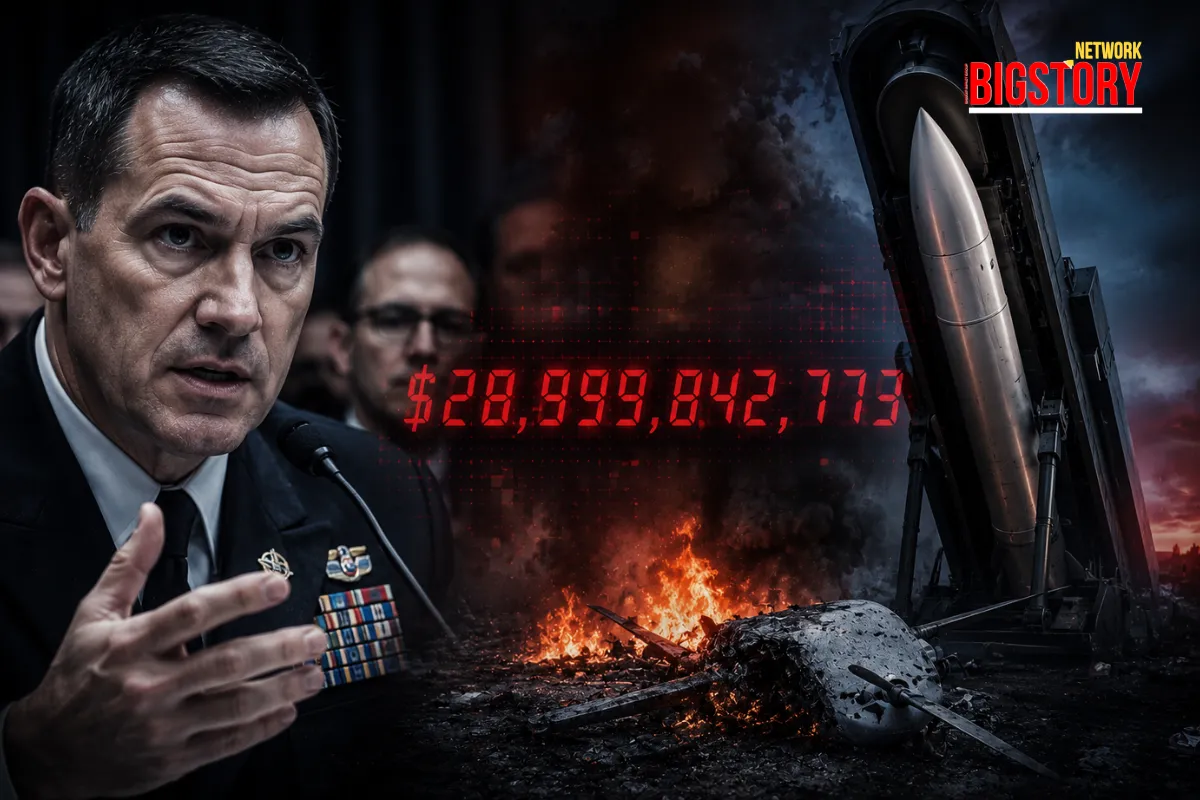
As Washington burns through high-tech munitions to destroy cheap drones, the ballooning price tag inadvertently reveals America's greatest strategic vulnerability to Beijing and Tehran.
 Ritika Das
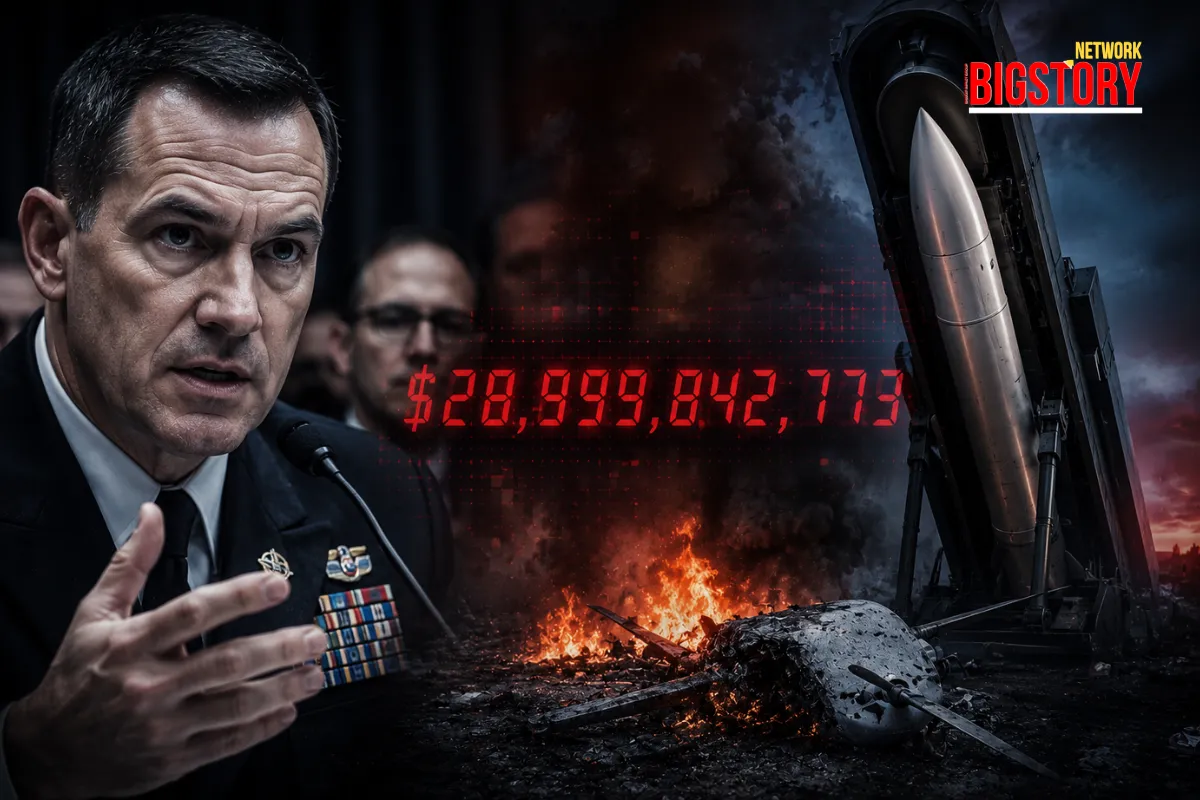
• What happened: The Pentagon informed Congress that the financial cost of the US war with Iran has climbed to nearly $29 billion, a $4 billion surge in just two weeks.
• Why it happened: Acting Pentagon Comptroller Jules Hurst III attributed the massive spike to the operational expenses of maintaining combat forces and the repair of military equipment.
• The strategic play: While the Pentagon fiercely defends a record $1.5 trillion budget for 2027, the rapidly climbing costs expose the severe economic toll of maintaining a sustained, high-tech campaign in West Asia.
• India's stake: The intense drain on US resources accelerates the shift in the global balance of power, directly impacting India's geopolitical positioning between Washington and Beijing.
• The deciding question: How long can the United States sustain a war where it spends millions of dollars to intercept drones that cost a few thousand dollars to build?
Pentagon US-Iran war cost estimates surged to nearly $29 billion yesterday as defense officials faced intense congressional scrutiny over the escalating financial drain. Acting Pentagon Comptroller Jules Hurst III testified before the House Appropriations Committee, revealing a massive $4 billion jump from the previous estimate provided just two weeks ago.
The immediate spike directly exposes the staggering operational expenses required to sustain combat forces across the Middle East. With independent analysts warning that the ultimate macroeconomic toll could reach $1 trillion, the ballooning price tag threatens to fracture political support for the ongoing military campaign.
• The Trigger: Acting Comptroller Jules Hurst III delivered the revised $29 billion estimate during a high-stakes Tuesday hearing on Capitol Hill.
• The Background: Defense Secretary Pete Hegseth previously quoted the direct cost at $25 billion on April 29, highlighting a rapid escalation in operational burn rates.
• The Escalation: The current estimate excludes the full accounting of damages sustained by US military bases, meaning the final baseline cost will inevitably climb higher.
• The Stakes: Congress is demanding total transparency as the Pentagon pushes for a record-setting $1.5 trillion defense budget for 2027.
Jules Hurst III, Acting Pentagon Comptroller Hurst delivered the stark financial reality to lawmakers, attributing the surging costs to the immediate need for equipment repair, replacement, and the general operational burden of the combat theater.
Pete Hegseth, US Secretary of Defense Hegseth fiercely defended the Pentagon's spending and munitions stockpiles, aggressively dismissing congressional concerns over depleted arsenals as "foolishly and unhelpfully overstated."
Mainstream coverage treats this $29 billion figure as an isolated accounting update, but the real crisis is the deliberate strategic bleed-out orchestrated by Tehran and Beijing. The US military is currently locked in an asymmetrical economic trap. Washington is firing high-tech, multi-million-dollar munitions—such as advanced interceptors and bunker busters—to destroy relatively cheap Iranian drones, fast-attack boats, and scattered missile sites.
While President Trump travels to Beijing to project superpower dominance, the soaring cost of this conflict inadvertently reveals America's glaring strategic vulnerability. The longer Iran drags out the hostilities and exploits the shaky ceasefire, the more they force the Pentagon to burn through its defense budget and deplete its high-end munitions. Tehran is effectively achieving a massive economic and military degradation of US forces without ever needing to win a direct, conventional war.
• Shifting Global Balances: An economically drained US military accelerates the modernization advantage of the People's Liberation Army, significantly altering the security calculus for India along the Line of Actual Control.
• Supply Chain Shocks: As the US scrambles to replace advanced munitions, global supply chains for critical minerals and defense manufacturing components will face severe bottlenecks.
• The Next Move: Watch for aggressive pushback from US lawmakers demanding a rapid diplomatic off-ramp as the true cost of repairing regional base infrastructure is finally tabulated.
• Immediate Governance: The Pentagon faces an immediate crisis in justifying its $1.5 trillion budget request while simultaneously burning through billions in unbudgeted operational costs.
• Structural Shift: The era of financially sustainable US intervention is dead, replaced by conflicts where adversaries weaponize cost-exchange ratios to actively bleed American taxpayers.
• India-Specific Consequence: New Delhi must rapidly internalize this lesson, accelerating its own indigenous defense manufacturing to avoid being caught in a similar asymmetrical cost-trap against hostile neighbors.
If adversaries can inflict a $29 billion operational drain simply by launching cheap, expendable drones, how exactly does the Pentagon plan to afford a conflict against a peer competitor?
• Reuters: Pentagon tells Congress Iran war cost hits $29 billion • Associated Press: US military burn rate in Middle East surges as Hegseth defends budget • The Washington Post: The $1 Trillion Warning: Long-term costs of the Iran conflict
 Exclusive Content






Sign up for the Daily newsletter to get your biggest stories, handpicked for you each day.



 Trending Now! in last 24hrs