Exercising its Right of Reply during a high-stakes UNGA session, New Delhi frames Islamabad’s repetitive bilateral rhetoric as a live case study for why global security architecture is fundamentally broken.
 Sseema Giill
• What happened: India launched a blistering diplomatic counter-attack against Pakistan at a UN General Assembly Plenary session, warning its neighbor that its temporary Security Council seat is a "huge responsibility" and not a platform for spreading "biased and false narratives."
• Why it matters: The confrontation erupted after Pakistan's Permanent Representative raised the internal issue of Jammu and Kashmir during an unrelated debate on the Security Council’s annual report.
• The strategic play: India skillfully converted this bilateral friction into structural leverage, utilizing Pakistan’s disruption as live evidence to justify the G4 coalition's demand for an immediate, sweeping expansion of the UNSC.
• Global impact: Representing India, Brazil, Germany, and Japan, the Indian envoy pressed for a dramatic expansion of council membership from 15 to 25 or 26 seats to dismantle an archaic, 1945-era architecture.
• The deciding question: With Pakistan's non-permanent tenure concluding at the end of this year, will New Delhi's strategy successfully isolate disruptive bilateral rhetoric and accelerate text-based reform negotiations?
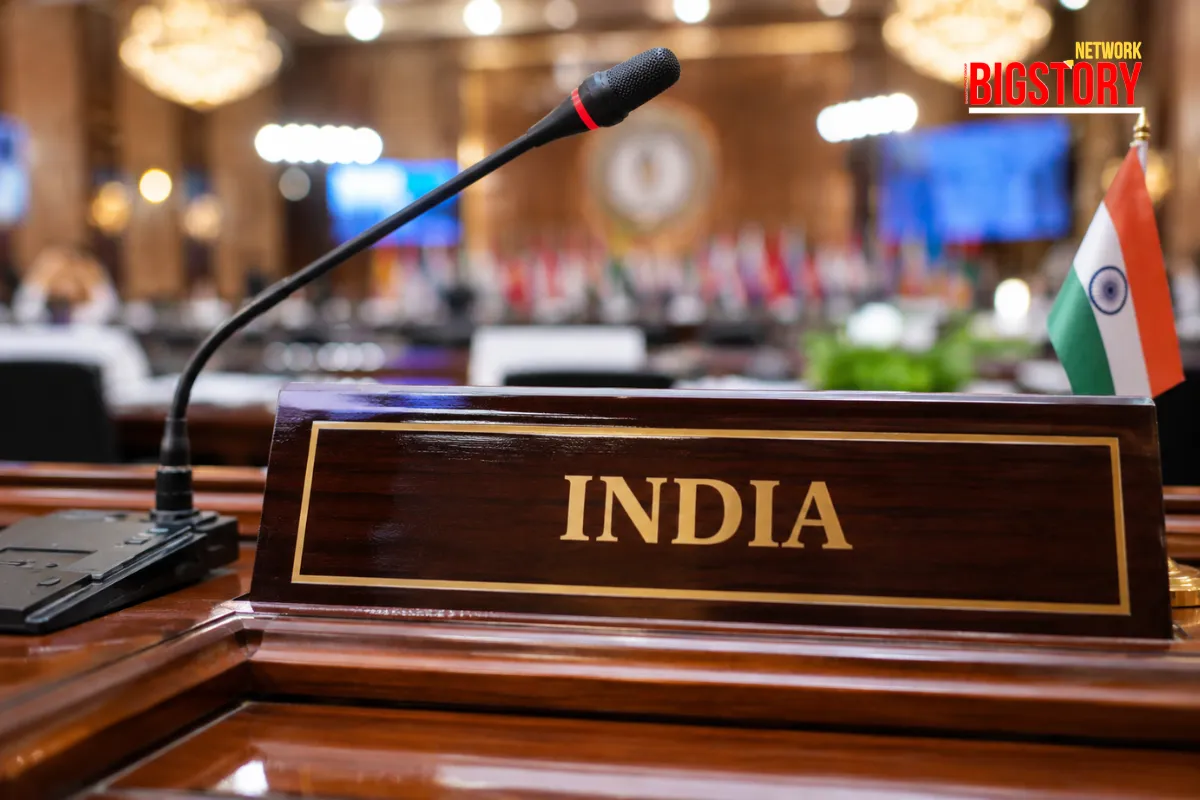
The diplomatic battleground at the United Nations has witnessed another fierce clash. On Friday, June 5, 2026, India launched a blistering attack on Pakistan during a UN General Assembly Plenary session, warning its neighbor that holding a seat on the UN Security Council is a "huge responsibility" and not an open platform for peddling "biased and false narratives."
The sharp rebuke from New Delhi came after Pakistan once again attempted to internationalize the Kashmir issue during a routine debate on the Annual Report of the Security Council.
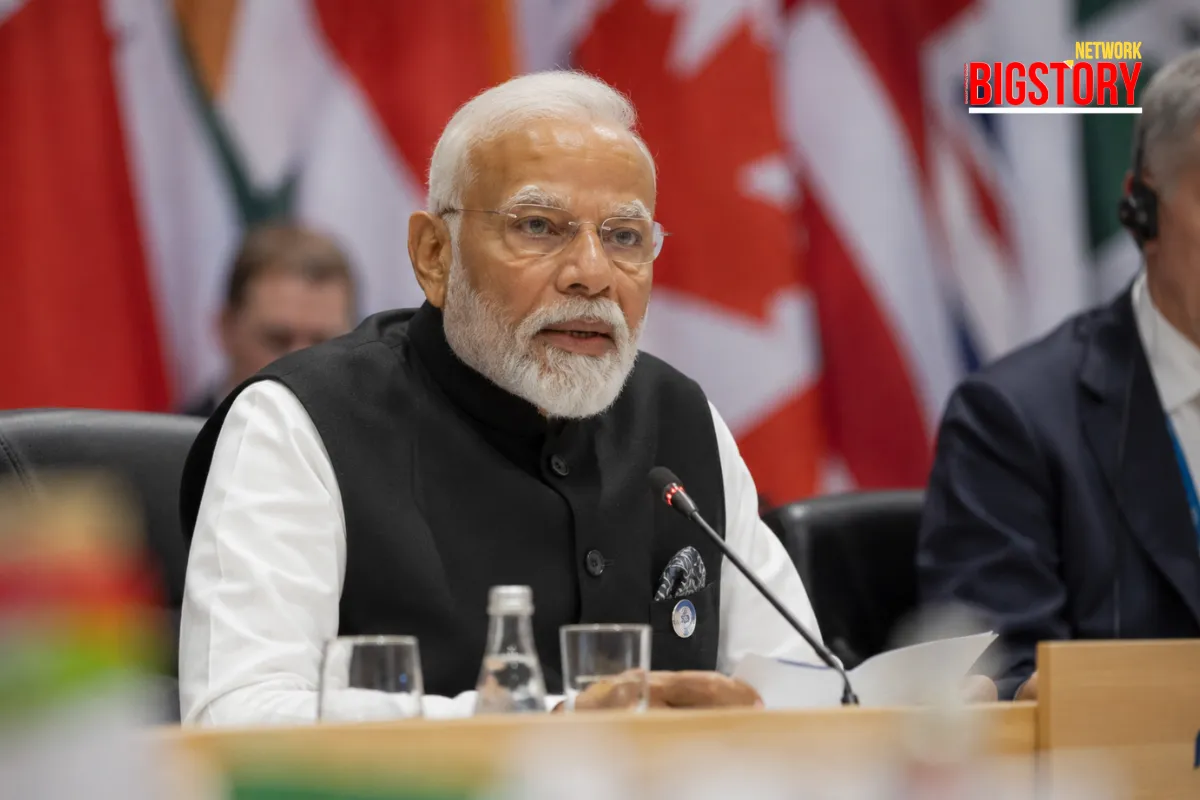
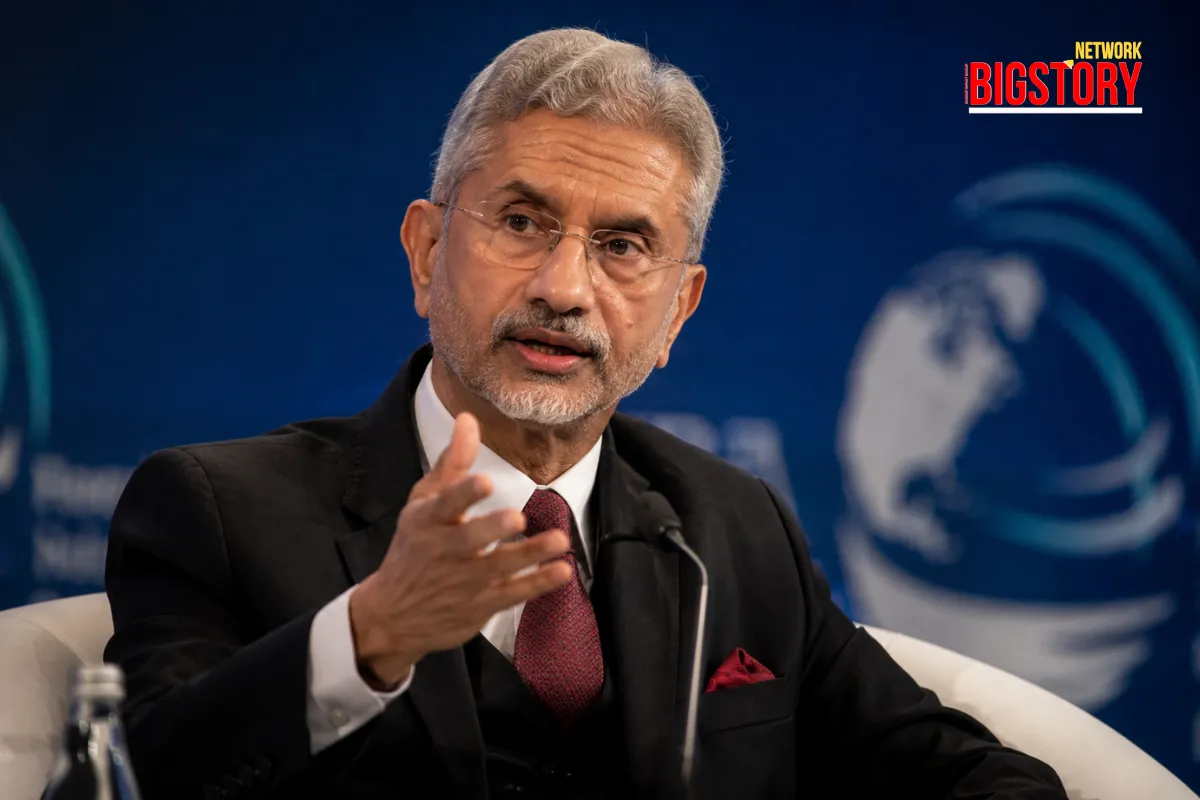
The confrontation was sparked when Pakistan's Permanent Representative to the UN, Ambassador Asim Iftikhar Ahmad, raised the issue of Jammu and Kashmir during his remarks. Pakistan currently holds a non-permanent seat on the 15-member council, with its tenure set to expire at the end of this year. Taking the floor to exercise the Right of Reply, India's Permanent Representative, Ambassador Parvathaneni Harish, stated that he was compelled to respond to the "unwarranted reference" to a strictly internal matter.
"Abuse of its presence on the Security Council by Pakistan, including through the circulation of several misinformed and misleading communications, also testifies to this counter-productive approach," Harish explicitly declared, targeting Islamabad's diplomatic conduct. "It is not a forum for peddling biased and false narratives."
Ambassador Harish reiterated New Delhi's absolute position on its territorial sovereignty, making it clear that Jammu and Kashmir "was, is and will always remain an integral and inalienable part of India." He dismissed Pakistan's statements as "empty rhetoric and hollow claims" that are entirely inconsistent with historical facts.
Pivoting seamlessly from the bilateral dispute, the Indian envoy used the global platform to systematically push a broader agenda for institutional change. He highlighted the urgent need to reform the UN Security Council, arguing that the body's current structure remains dangerously anchored in the outdated geopolitical realities of 1945, preventing it from effectively managing contemporary global crises.
Representing the G4 nations—an alliance comprising India, Brazil, Germany, and Japan—Harish asserted that retaining the structural status quo is unacceptable. He stressed that a meaningful expansion of both permanent and non-permanent categories is essential, aggressively pushing the G4 blueprint to expand the Security Council's membership from 15 to 25 or 26 members.
While everyday market copy will focus entirely on the familiar verbal sparring over Kashmir, the "Missed Angle" here is how strategically New Delhi is utilizing Pakistan's diplomatic behavior to bolster its own case for an immediate structural overhaul of the UN.
By publicly framing Pakistan's conduct as an "abuse" of its non-permanent seat, India is illustrating to the broader international community that the current, narrow 15-member structure allows bad-faith actors to easily hijack the world's highest security organ for localized bilateral grievances.
India is explicitly turning Pakistan's attempts to inject Kashmir into an unrelated administrative debate into live proof that the UN is fundamentally broken. It reinforces the narrative that expanding the council is not just an ambitious pursuit of Indian soft power, but an urgent institutional necessity to dilute the disruptive influence of temporary, short-term members and restore the long-lost credibility of the Security Council on the world stage.
• United Nations (UN): Official General Assembly Plenary Sessions and Security Council Report Verbatim Records
• Ministry of External Affairs (MEA India): Official Diplomatic Statements and Media Briefing Releases
• The Hindu: International Bureau, United Nations Coverage, and Foreign Policy Reports
• The Economic Times: Global Geopolitics, G4 Proposals, and Multilateral Realignment Tracker
 Exclusive Content




Sign up for the Daily newsletter to get your biggest stories, handpicked for you each day.

 Trending Now! in last 24hrs