With toxic black rain falling on Tehran and Washington directly questioning Israeli targeting decisions, the ensuing strategic chaos threatens to shatter India's macroeconomic stability.
 Sseema Giill
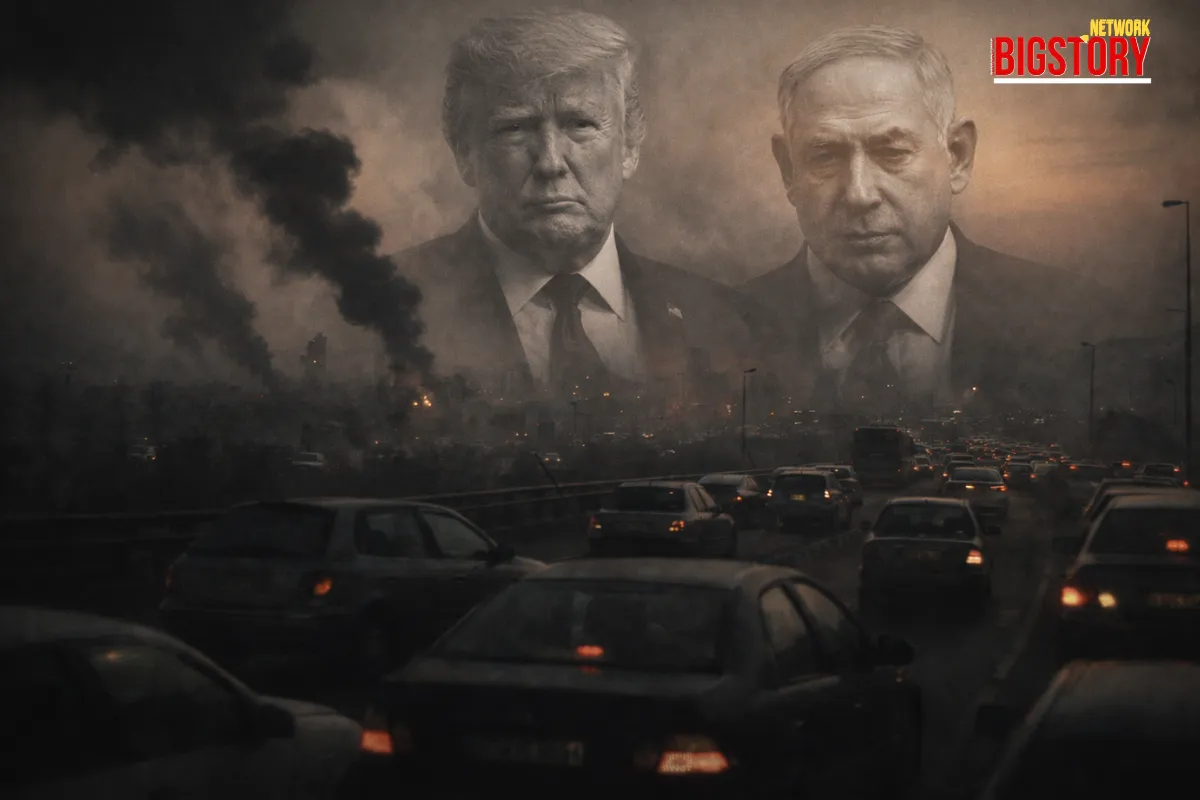
The unprecedented scale of the israel iran oil depot strikes has triggered massive strategic confusion, guaranteeing a severe india oil price impact in 2026 as global energy markets panic. On Saturday night, the Israeli air force obliterated 30 Iranian fuel depots—an operation that went far beyond US notification parameters, fracturing the Washington-Jerusalem consensus and engulfing Tehran's 10 million residents in highly toxic black rain.
This unilateral escalation forces an immediate fiscal crisis for New Delhi. With global oil benchmarks surging past $119 per barrel, the resulting supply shock threatens to add over Rs 350 billion to India's annual import bill, neutralizing the nation's fragile seven-week strategic petroleum reserve and guaranteeing immediate domestic inflation.
Benjamin Netanyahu, Prime Minister, State of Israel Netanyahu authorized a strike package that fractured the US-Israel operational consensus for the first time in ten days. Promising "many surprises" in the conflict's next phase, he is executing a devastating infrastructure war on an independent, unilateral timetable.
Mohammad Bagher Ghalibaf, Speaker, Iranian Parliament The senior hardliner and former IRGC commander established a devastating strategic deterrent. He warned that continued infrastructure attacks will trigger immediate Iranian retaliation against neighboring Gulf states, pushing global oil prices to a catastrophic $200 a barrel.
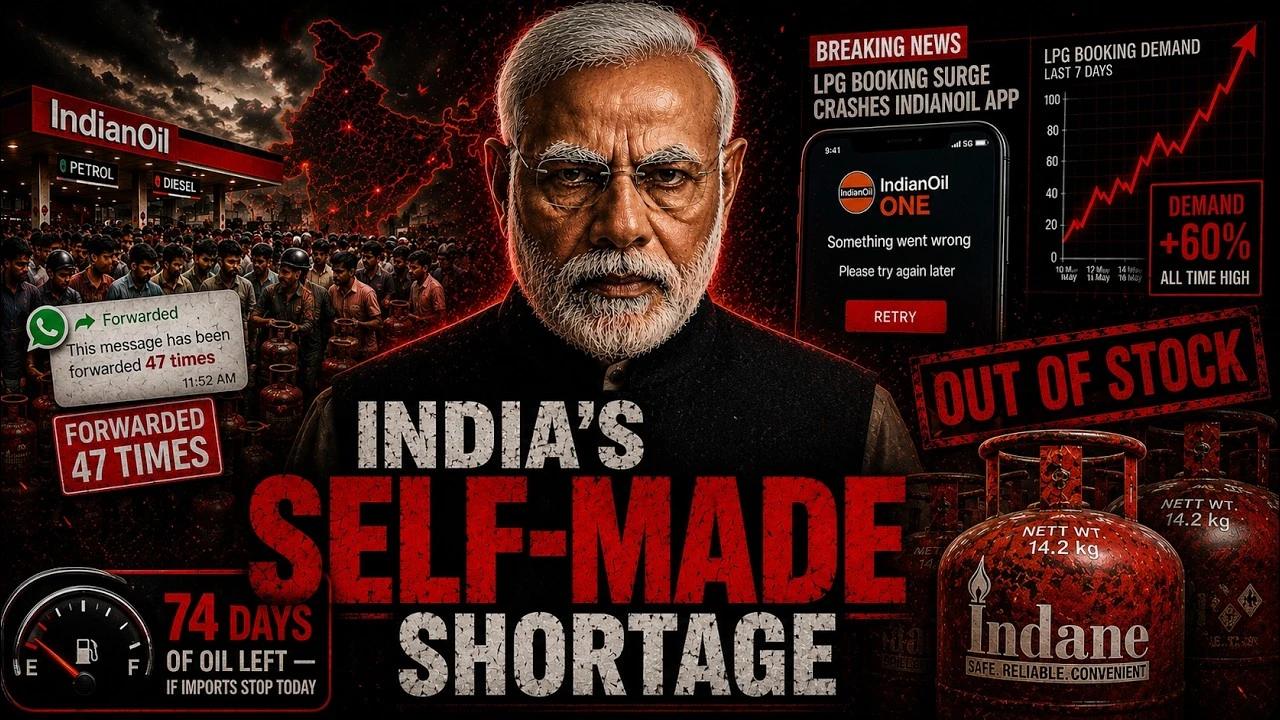
Hardeep Singh Puri, Union Minister of Petroleum and Natural Gas, India Leading India's energy response, Puri faces a mathematical nightmare. The recent Rs 60 LPG hike forced onto Indian consumers is merely the opening blow of a war that is systematically destroying the Finance Ministry's $70-per-barrel budget assumptions.
Mainstream coverage fixates on the dramatic images of burning petrochemicals and the immediate market spike. This superficial focus entirely misses the profound strategic chaos defining the conflict—a fractured reality carrying four distinct layers of confusion that directly endanger India. First, the US-Israel split is no longer a tactical disagreement; it is a structural divide. Israel hitting 30 depots after notifying the US of a limited operation signals that Jerusalem is ignoring Washington's demand to "save the oil." However, this specific American discomfort offers New Delhi a vital diplomatic opening to forcefully demand energy de-escalation on humanitarian grounds.
Second, the legal and moral justification for the strikes is fiercely contested. The IDF claims these depots fuel the Iranian military, while Washington fears the civilian fallout, and Tehran denounces the resulting black rain as intentional chemical warfare. Third, Iran's internal command structure remains deeply contradictory. President Masoud Pezeshkian promised Gulf states immunity if they refused to host anti-Iran operations, yet the IRGC aggressively bombed five Gulf nations that exact same night.
Finally, the competing price targets—the Indian Finance Ministry's $70 budget, the market's $119.50 spike, and Ghalibaf's $200 threat—leave economic planners operating entirely blind, unable to secure the floor oil price for the next 90 days.
If Washington cannot stop Israel from burning Tehran's civilian fuel supply, and the Iranian President cannot stop the IRGC from bombing Gulf refineries, who exactly is in control of the conflict dictating India's economic survival?
News & Wire Coverage:
Official Statements & Data:
 Exclusive Content






Sign up for the Daily newsletter to get your biggest stories, handpicked for you each day.



 Trending Now! in last 24hrs