While New Delhi locks down physical military alliances with the UAE, the Prime Minister is quietly executing a high-stakes energy insurance policy with the Saudi Crown Prince.
 Sseema Giill
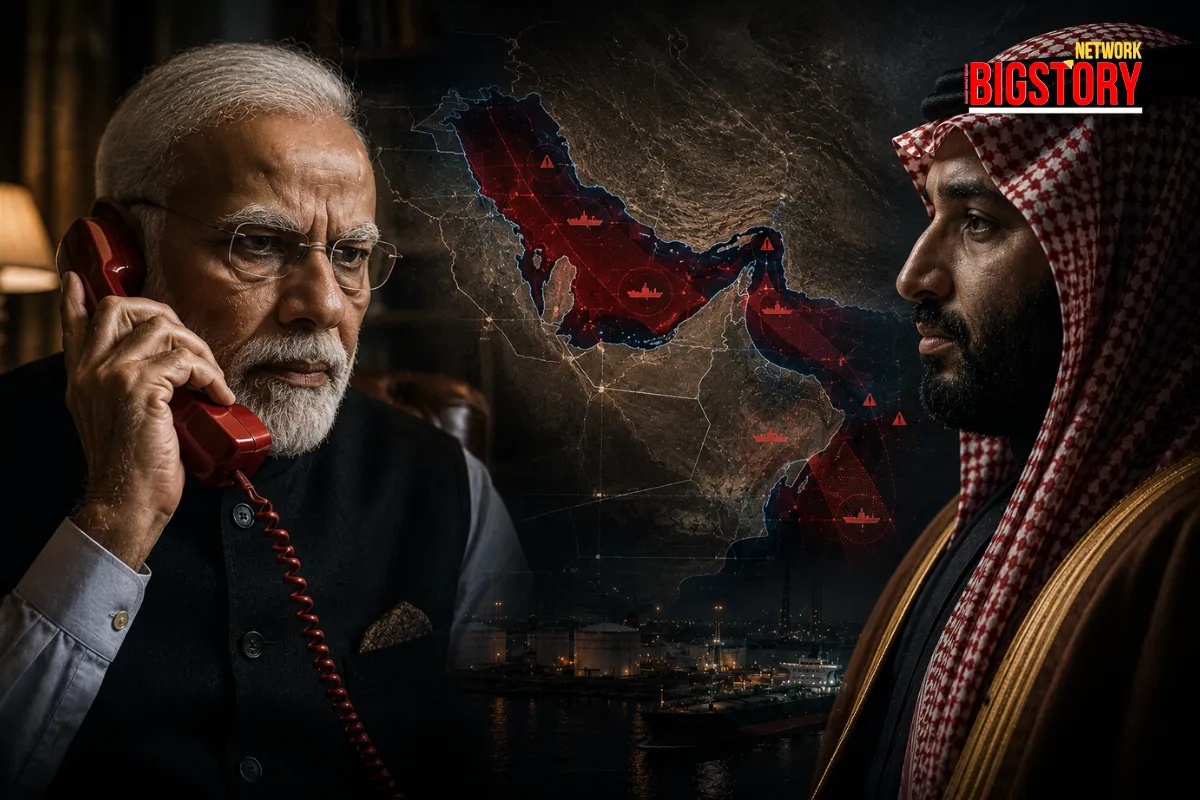
• What happened: Prime Minister Narendra Modi is maintaining an active strategic dialogue with Saudi Crown Prince Mohammed bin Salman, reinforcing critical energy lifelines despite not visiting the Kingdom physically on his current tour.
• Why it happened: With the US-Iran war disrupting regional shipping lanes and threatening global oil production, India is uniquely vulnerable to catastrophic foreign exchange shocks.
• The strategic play: Modi explicitly condemned attacks on Gulf energy infrastructure during a major strategic phone call, locking in Saudi output guarantees while protecting the massive Indian expatriate workforce.
• India's stake: Because India relies heavily on the Strait of Hormuz for half of its oil imports, coordinating diplomatic and maritime pressure with Riyadh is vital for national economic survival.
• The deciding question: Can India successfully execute a double-sided balancing act, leaning on the UAE for security diversification while keeping Riyadh anchored as its primary energy guarantor?
India's strategic alignment with Saudi Arabia has entered a critical phase as the West Asia crisis continues to threaten global markets. While Prime Minister Narendra Modi executes his five-nation European tour—which kicked off with a high-profile physical stopover in the UAE—his engagement with Riyadh remains highly active. Behind closed doors, New Delhi is leaning heavily on phone diplomacy with Saudi Crown Prince Mohammed bin Salman to secure India's economic flank.
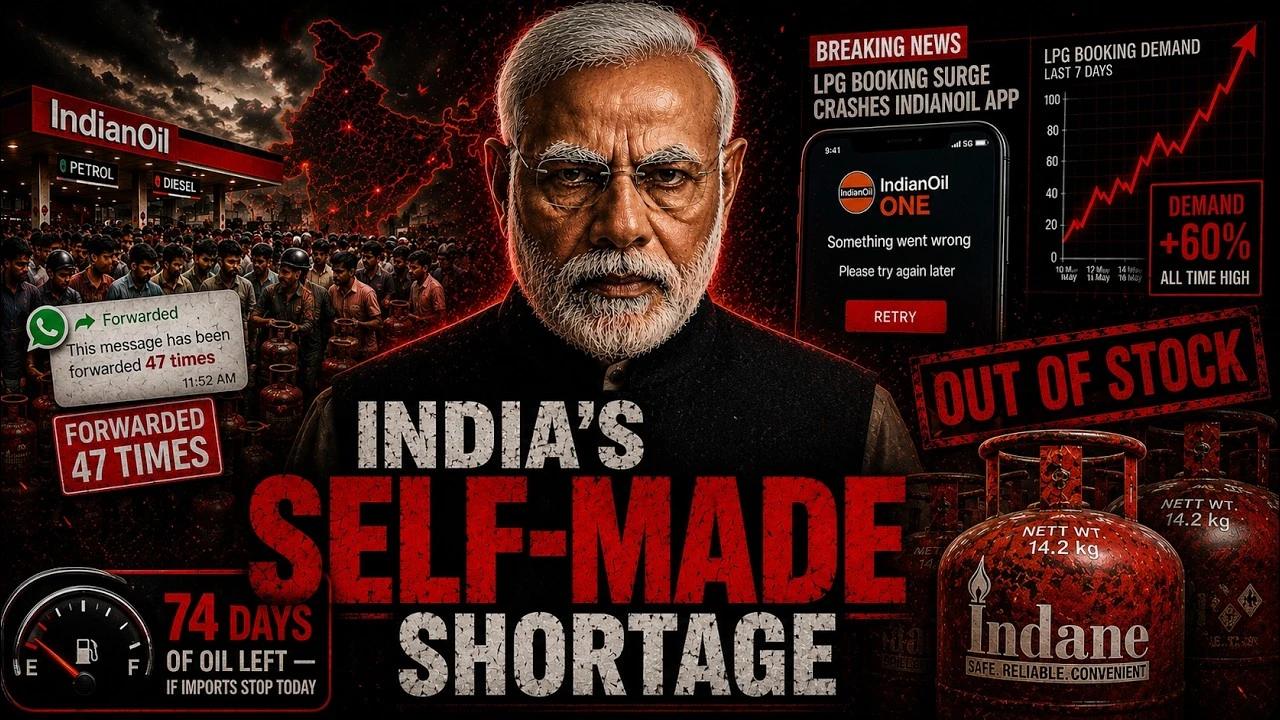
The diplomatic maneuvers are driven by absolute necessity. As regional hostilities trigger volatile fluctuations in crude prices, the Prime Minister’s Office (PMO) is prioritizing stable energy output and maritime security to protect India’s depleting foreign exchange reserves from a prolonged systemic shock.
• The Trigger: PM Modi held a major strategic phone call with Crown Prince Mohammed bin Salman on March 28, 2026, to solidify energy baseline guarantees.
• The Background: The ongoing US-Iran conflict has turned the Persian Gulf into an active combat zone, leaving international commercial shipping lanes exposed to asymmetric drone and missile strikes.
• The Escalation: In his direct talks with the Saudi leadership, Modi explicitly condemned the targeted attacks on regional energy infrastructure, framing the stability of Saudi output as a global priority.
• The Stakes: Over a million Indian expatriates reside within the Kingdom, turning the physical welfare of the diaspora into a massive, immediate domestic security concern for the PMO.
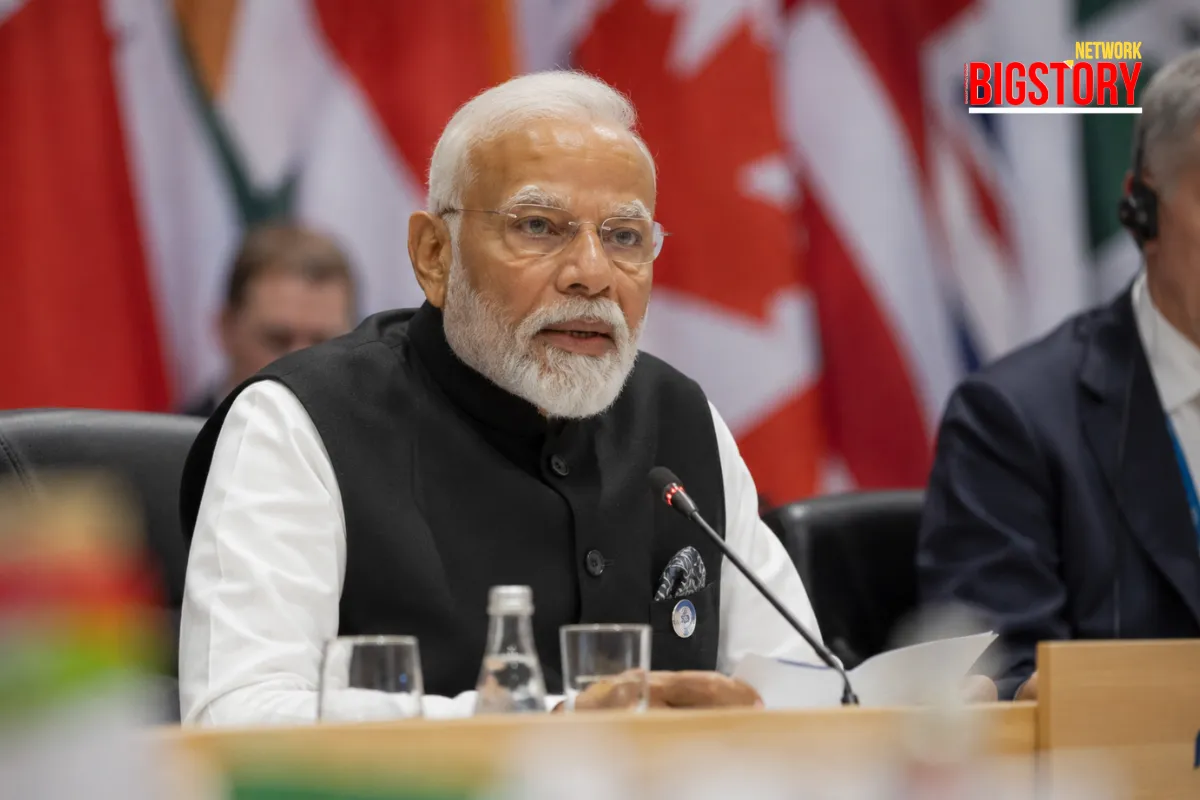
Narendra Modi, Prime Minister of India Modi is executing a complex double-game in the Gulf, balancing direct, high-level phone diplomacy with Riyadh while physically traveling to Abu Dhabi to sign competing defense and energy storage agreements.
Mohammed bin Salman, Crown Prince of Saudi Arabia The Saudi leader is maintaining his role as global energy guarantor while navigating shifts in South Asian alliances, carefully managing relations with New Delhi despite competing pacts in the region.
Mainstream analysis views India's relations with the Gulf states as a uniform block, but the real play is the sophisticated, quiet balancing act New Delhi is forcing between the UAE and Saudi Arabia. Modi’s decision to physically bypass Riyadh on his latest international tour while signing a comprehensive Strategic Defence Partnership in Abu Dhabi is an intentional, calculated reaction to shifting geopolitical alignments.
Following Saudi Arabia's mutual defence pact with Pakistan in August 2025, New Delhi realized it could no longer rely exclusively on the traditional Saudi security umbrella. By physically embedding itself in the UAE’s defense architecture—while simultaneously utilizing phone diplomacy to lock down Saudi oil production lines—India is actively diversifying its risks. It keeps Riyadh close enough to ensure energy flow and diaspora safety, but builds its long-term strategic and intelligence strongholds with the Emiratis. This is not standard diplomacy; it is a hard-edged hedging strategy against regional factionalism.
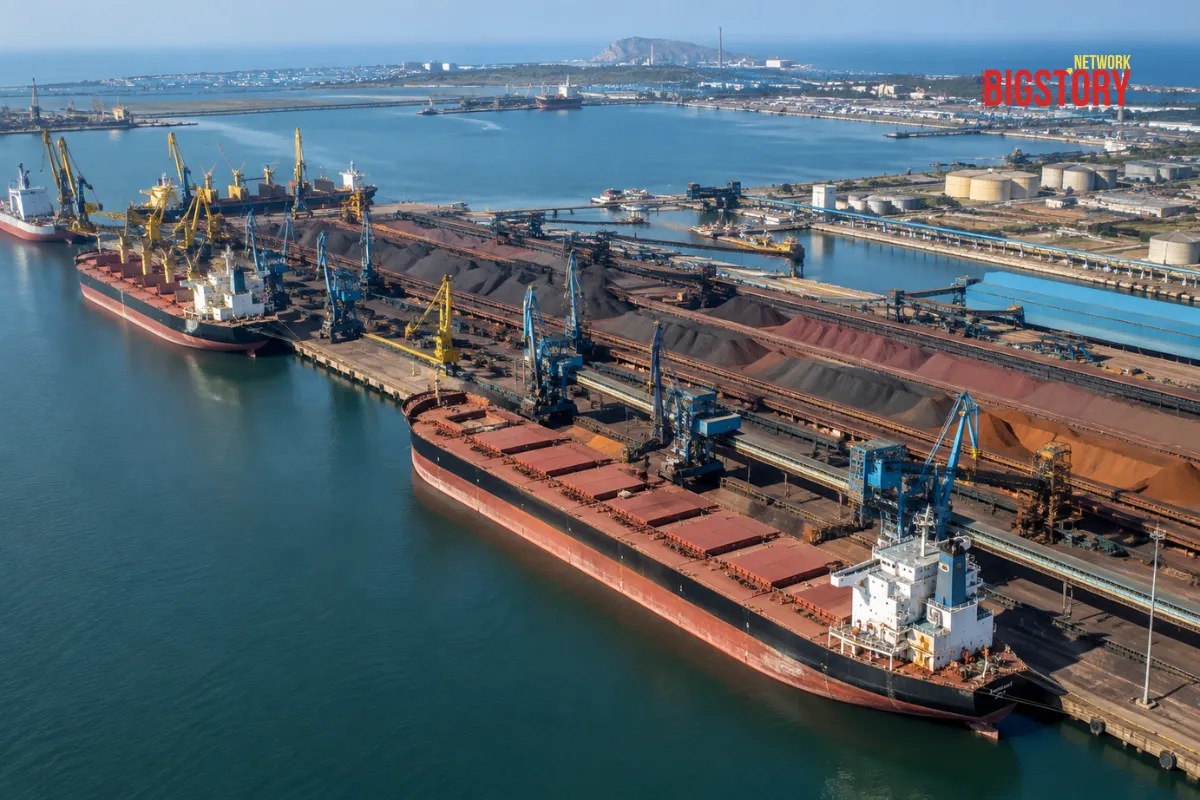
• Maritime Security Mobilization: India and Saudi Arabia are quietly coordinating diplomatic pressures to enforce international shipping laws and maintain freedom of navigation through the blockaded Strait of Hormuz.
• Forex Protection: Securing guaranteed crude allocations from Aramco ensures that the Indian economy avoids the catastrophic open-market spot pricing that could derail fiscal planning.
• Strategic Diversification: By utilizing both the UAE's physical infrastructure and Saudi Arabia's volume leverage, India is constructing a dual-track insurance policy against a total Middle Eastern energy collapse.
• Immediate Governance: The PMO must keep a direct, continuous communication line open with Riyadh to monitor evacuation contingency protocols for the Indian workforce if hostilities expand.
• Structural Shift: The old framework of viewing the Gulf through a single diplomatic lens is permanently dead, replaced by a hyper-fragmented strategy where security and energy are siloed across competing capitals.
• India-Specific Consequence: As India builds deeper maritime defense relations with the UAE, its naval presence in the Arabian Sea will increasingly intersect with areas traditionally under Saudi and US influence.
If Saudi Arabia remains committed to its defense pact with Islamabad, how long can New Delhi rely on phone diplomacy alone to secure its most critical energy lifeline in West Asia?
• Prime Minister's Office (PMO): PM speaks with Crown Prince and PM of Saudi Arabia, HRH Prince Mohammed bin Salman
• The Hindu: PM Modi speaks to Crown Prince of Saudi Arabia; discusses West Asia situation
• DD News On Air: PM Modi Holds Talks with Saudi Crown Prince Mohammed bin Salman on West Asia Conflict
 Exclusive Content

Sign up for the Daily newsletter to get your biggest stories, handpicked for you each day.

 Trending Now! in last 24hrs