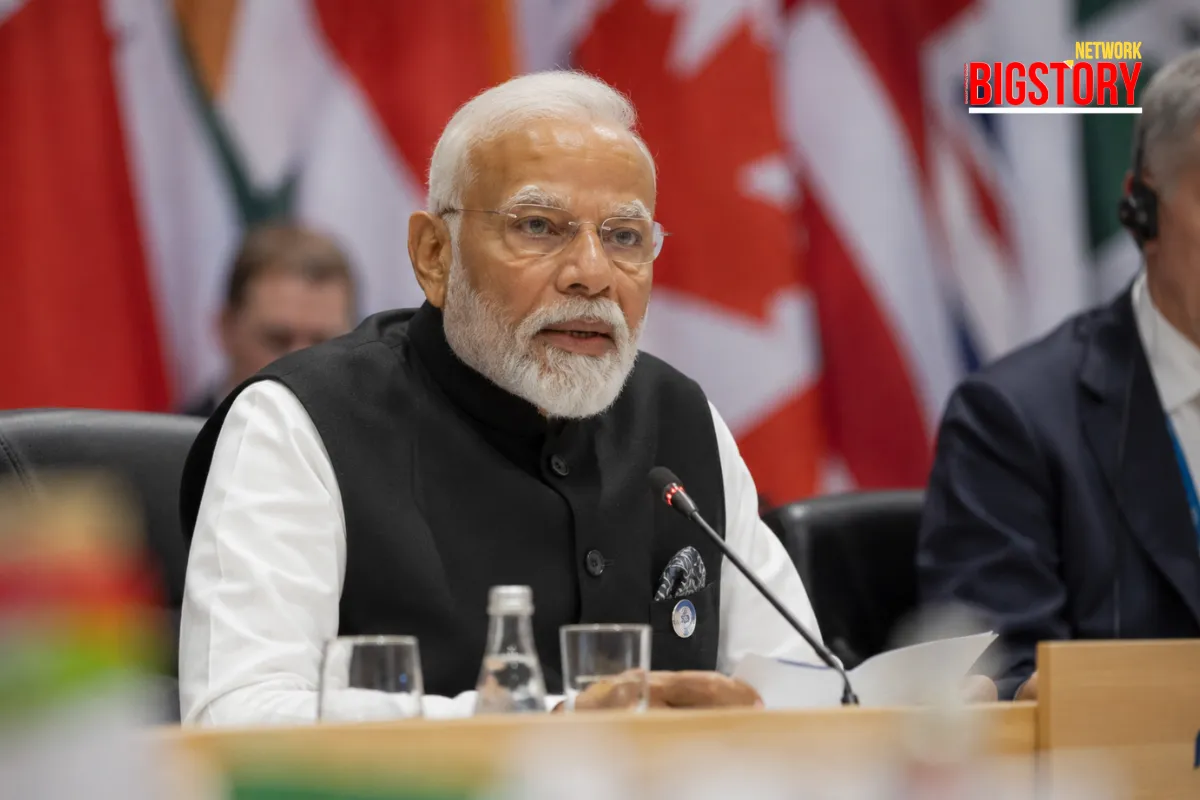
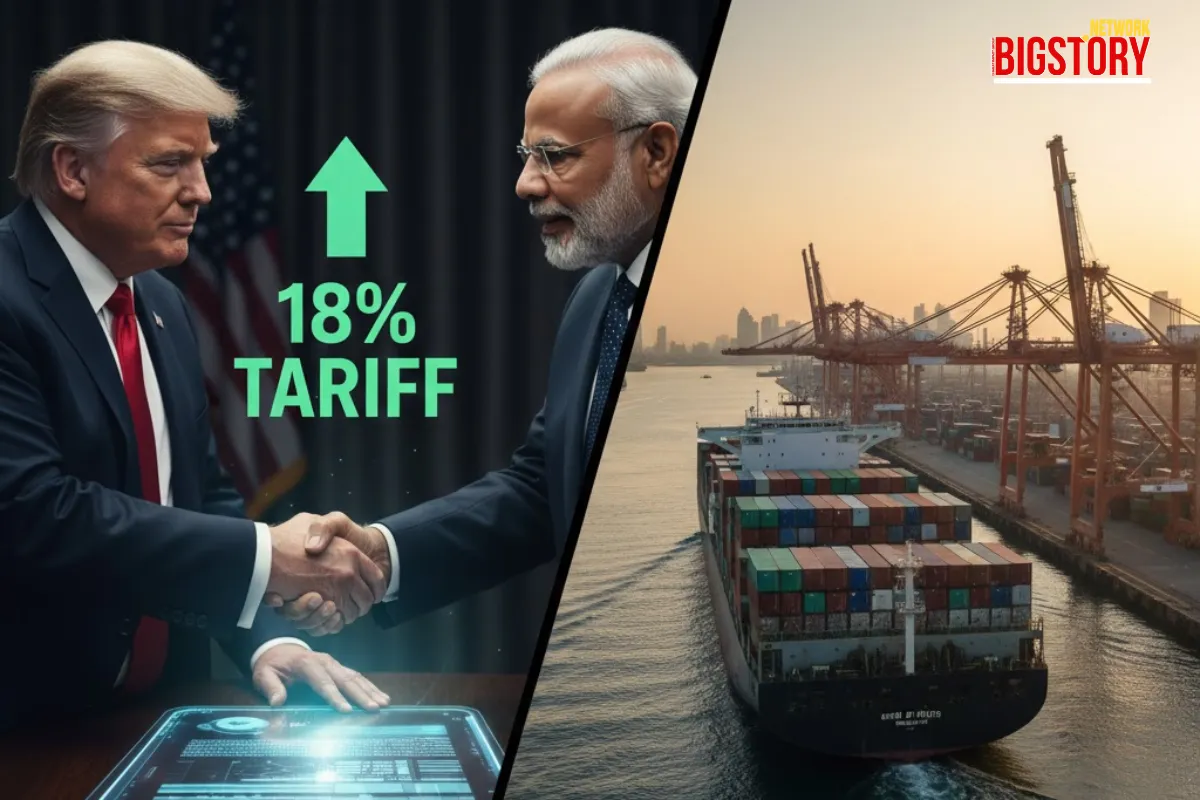
The trade war is officially paused, and the ink is almost dry. On Friday, Indian Commerce Minister Piyush Goyal confirmed that the much-anticipated interim trade breakthrough with the United States will hit the ground running by April 2026. Built on a framework jointly announced by President Donald Trump and Prime Minister Narendra Modi earlier this month, the deal fundamentally rewrites the economic relationship between the two democracies.
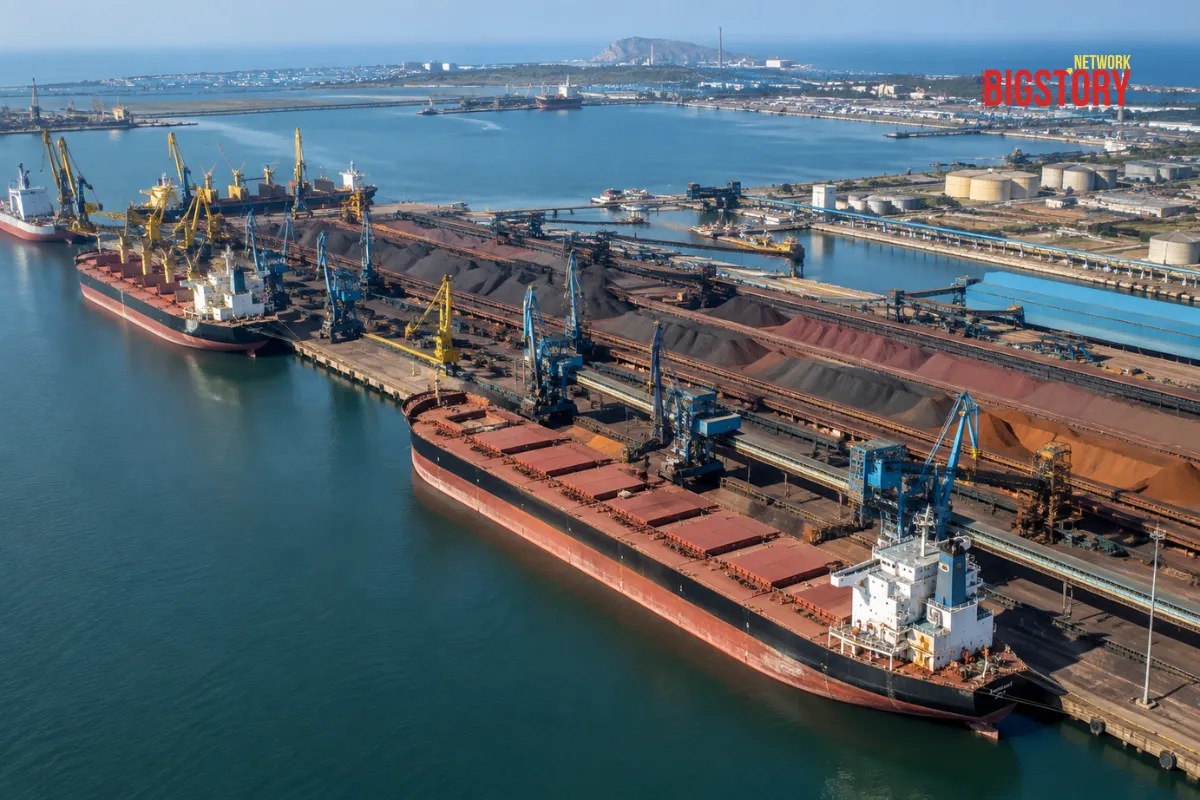
This matters because it gives Indian exporters an immediate, massive competitive advantage. By slashing reciprocal tariffs to 18%, India is now significantly cheaper to import from than competitors like Vietnam (20%), China (35%), and Brazil (50%). For labor-intensive Indian sectors like textiles, gems, and jewelry, this 7% tariff buffer is a game-changer that will likely trigger a surge in US manufacturing orders starting next month.
The "BigStory" Angle (The "Pax Silica" Accelerant)
Mainstream media is hyper-fixated on the $500 billion purchase target and the removal of the Russian oil penalty. They are missing the Strategic Tech Realignment.
Look at the fine print: today (Feb 20), India also formally signed onto the US-led Pax Silica alliance. This isn't just a side-note; it is the hidden geopolitical engine of the trade pact. Analysts note that reaching $500 billion in traditional goods (like apples and coking coal) is mathematically impractical based on historical export growth. However, by joining Pax Silica, India is securing its position in the Western semiconductor and AI compute supply chain. The trade deal isn't just about agriculture—it's about clearing the runway for billions of dollars in AI graphics processing units (GPUs) and critical tech transfers to bypass Chinese monopolies.
The Context (Rapid Fire)
- The Trigger: On Feb 6, 2026, the White House released a Joint Statement outlining the framework, swapping an end to the "Russian oil" penalty for sweeping US market access in India.
- The Backstory: The 25% punitive tariff for buying Russian crude went dead at 12:01 AM on Feb 7. India committed to a "roadmap" to halt those purchases, though current market dynamics show Russia is already pivoting its discount crude to China to offset the loss.
- The Escalation: The real work starts on February 23. Chief Negotiator Darpan Jain is flying a technical drafting team to Washington D.C. to convert the broad political "contours" into binding legal text before the April deadline.
Key Players (The Chessboard)
- Piyush Goyal (The Closer): India's Commerce Minister is framing the 18% tariff drop as a massive victory for Indian farmers and MSMEs trying to crack the $30 trillion US market.
- Darpan Jain (The Architect): India's Chief Negotiator. Following his success in advancing EU FTA talks, he is the key technical mind responsible for ensuring the legal text protects India's sensitive sectors (like domestic dairy and pulses).
- Jamieson Greer (The Envoy): The US Trade Representative (USTR) coordinating Trump's "Reciprocal Trade" strategy. He is scheduled to fly to New Delhi in March to formally sign the agreement.
The Implications (Your Wallet & World)
- Short Term (Exporters & MSMEs): If you operate in textiles, leather, organic chemicals, or gem processing, review your US pricing models immediately. The imminent drop to 18% tariffs will allow you to aggressively underbid Chinese and Southeast Asian competitors in Q2 2026.
- Long Term (The $500B Pivot): The "intention" to buy $500 billion in US goods over five years means major state-backed procurement shifts. Expect massive, high-profile orders for US commercial aircraft, defense tech, and LNG (Liquefied Natural Gas) to satisfy the Trump administration's trade deficit metrics.
The Closing Question
India traded its access to cheap Russian oil for a massive tariff reduction in the US market and entry into the Pax Silica chip alliance. Do you think this strategic pivot to the West is worth the higher energy costs at home? Tell us in the comments.
FAQs
- Q: What is the $500 billion US-India trade deal?
- A: It is a framework for an interim trade agreement where India declared its intention to purchase $500 billion in US energy, tech, and aircraft products over five years in exchange for lower tariffs on Indian exports to the US.
- Q: When will the US-India trade pact be signed in 2026?
- A: According to Commerce Minister Piyush Goyal, the legal text is currently being finalized, with the official signing expected in March 2026 and operational implementation by April 2026.
- Q: What are the new tariff rates for Indian exports to the US?
- A: The US is reducing its reciprocal tariffs on Indian goods from 25% down to 18%. Additionally, the separate 25% punitive tariff imposed on India for purchasing Russian crude oil was fully eliminated on February 7, 2026.
- Q: What is the Pax Silica alliance?
- A: Pax Silica is a US-led strategic technology coalition designed to secure resilient, China-free supply chains for critical minerals, semiconductors, and AI infrastructure, which India officially joined on February 20, 2026.
Sources: * The Hindu: India-U.S. interim trade pact likely to be operationalised in April

 Sseema Giill
 Exclusive Content