By securing exclusive safe passage for its tankers while Western-linked vessels continue to burn, New Delhi brings critical relief to its domestic energy crisis but tests the absolute limits of its alliance with Washington.
 Brajesh Mishra
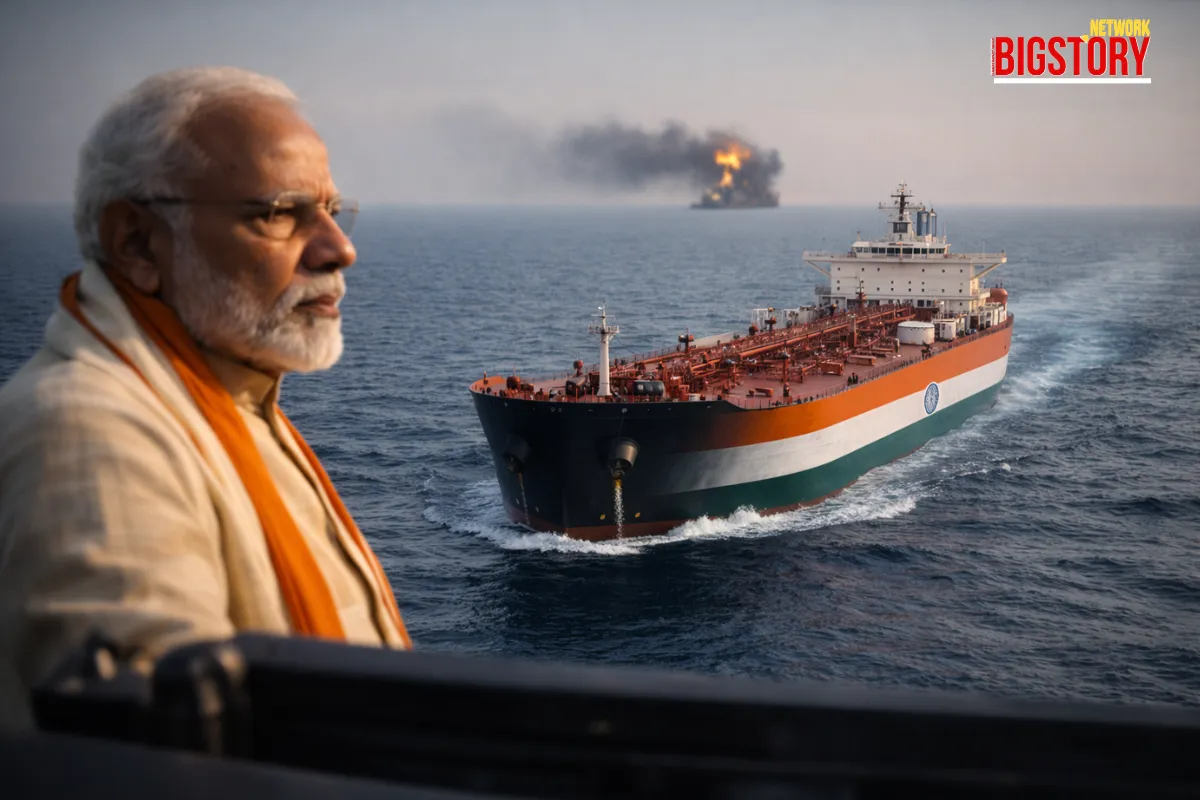
In a massive, high-stakes victory for its multi-alignment foreign policy, New Delhi has successfully navigated the most dangerous maritime chokepoint on the planet. On Thursday, Iranian authorities officially permitted an indian flagged ship strait of hormuz 2026 transit, granting safe passage to multiple vessels following intense back-channel negotiations between External Affairs Minister S. Jaishankar and his Iranian counterpart Abbas Araghchi.
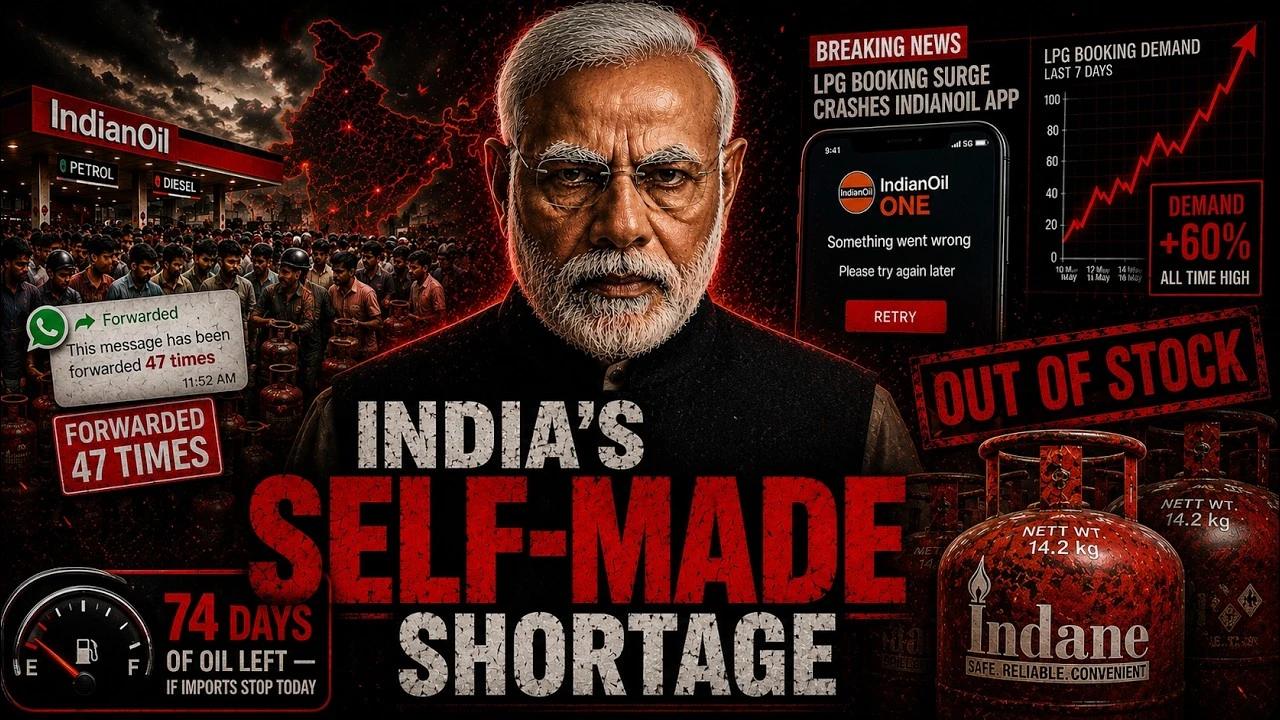
The breakthrough provides immediate, vital relief to an Indian economy currently suffocating under emergency LPG rationing. However, the diplomatic optics are highly precarious. By accepting an exclusive bilateral exemption from Tehran while the Islamic Revolutionary Guard Corps (IRGC) actively targets and attacks vessels linked to the United States and its allies, India is severely testing the boundaries of its strategic partnerships with Washington and Jerusalem.
S. Jaishankar, External Affairs Minister, India Jaishankar secured this critical diplomatic exemption through persistent, direct engagement with Tehran. He successfully leveraged India's historical civilizational ties to achieve a massive strategic win for domestic energy security, all while carefully navigating the shadow of US-led sanctions.
Alireza Tangsiri, Commander, IRGC Naval Force Rear Admiral Tangsiri confirmed that Iran is selectively enforcing the maritime blockade. By explicitly noting that ships like the Mayuree Naree were caught because they ignored warnings, he reinforced that safe passage is exclusively reserved for nations willing to negotiate directly and respectfully with Tehran.
Directorate General of Shipping, India The national maritime regulator is currently operating a 24-hour control room in New Delhi, closely monitoring the safety and movements of the 28 Indian-flagged vessels currently operating in the volatile Persian Gulf region.
Mainstream news outlets are jubilantly celebrating this development as a "masterstroke" of Indian foreign policy, focusing on the successful arrival of Saudi crude in Mumbai and the immediate relief for domestic gas markets. But this unbridled optimism obscures the immense geopolitical collateral risks New Delhi has just accepted.
While India secured a vital carve-out for its own flagged vessels, this "win" places New Delhi on a diplomatic tightrope with Washington. The US expects its strategic partners to present a united, unyielding front against Tehran's aggression. By cutting a bilateral survival deal with Iran while European and US-linked vessels continue to be fired upon, India is inadvertently undermining the US-led isolation of the regime. Furthermore, this is only a partial victory for India's energy grid. Out of the massive fleet required to feed India's refineries, only 28 Indian-flagged vessels currently operate in the Persian Gulf. The vast majority of India's crude arrives on foreign-flagged ships, meaning the broader energy supply chain remains fundamentally vulnerable to IRGC drone swarms unless the flagging strategy shifts overnight.
If India relies on an Iranian exemption to keep its economy afloat, how will it respond when Washington eventually demands a unified global embargo against Tehran?
News & Wire Coverage:
Official Statements & Data:
 Exclusive Content






Sign up for the Daily newsletter to get your biggest stories, handpicked for you each day.



 Trending Now! in last 24hrs