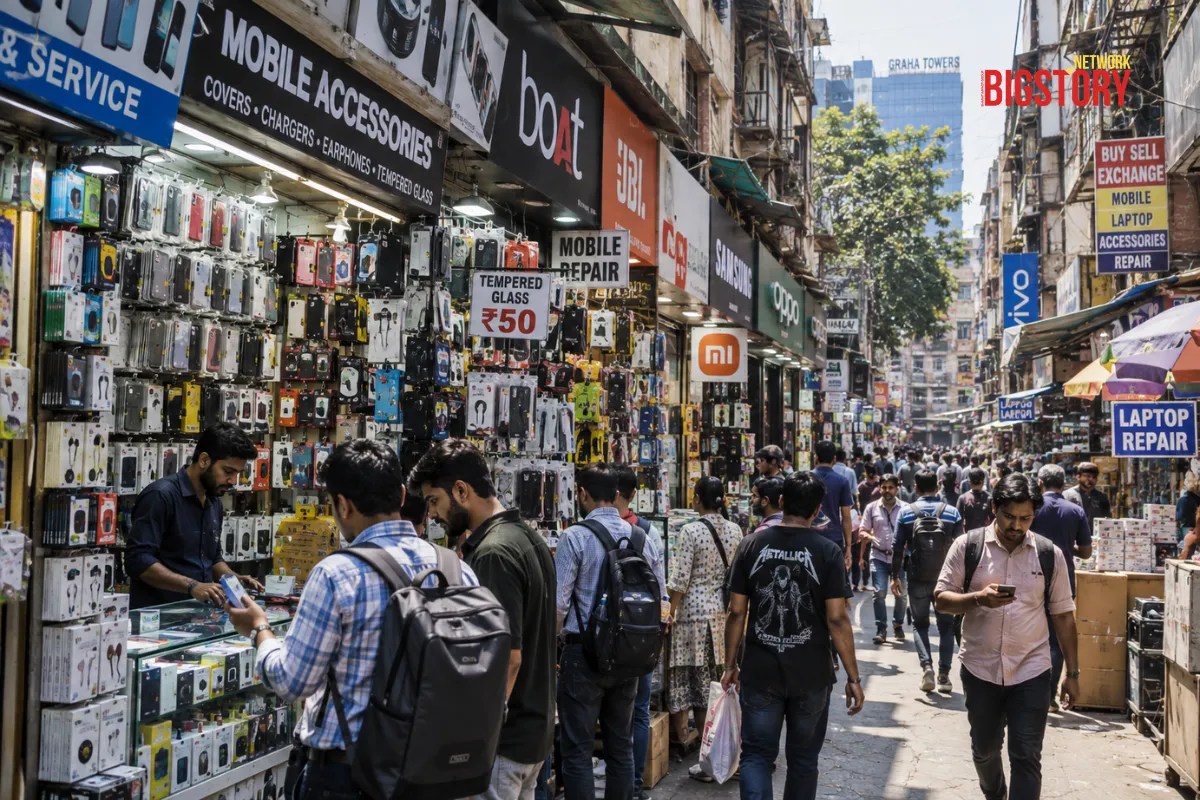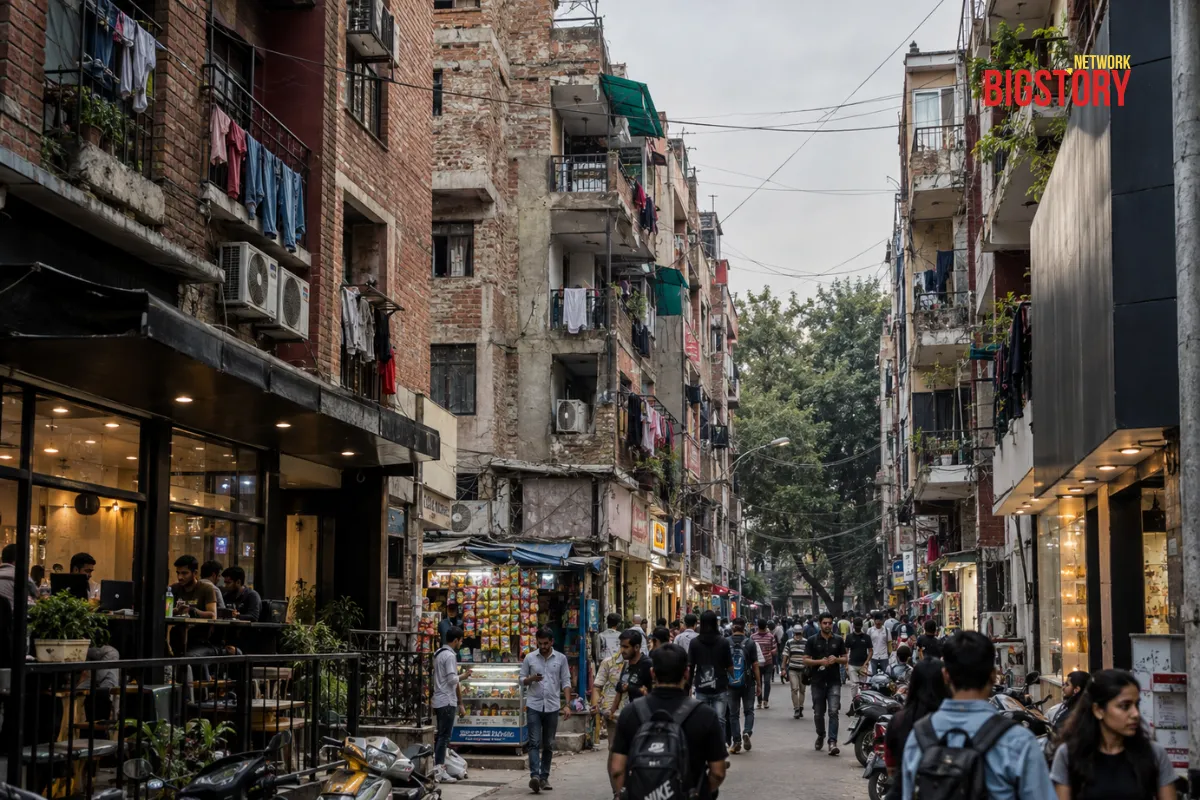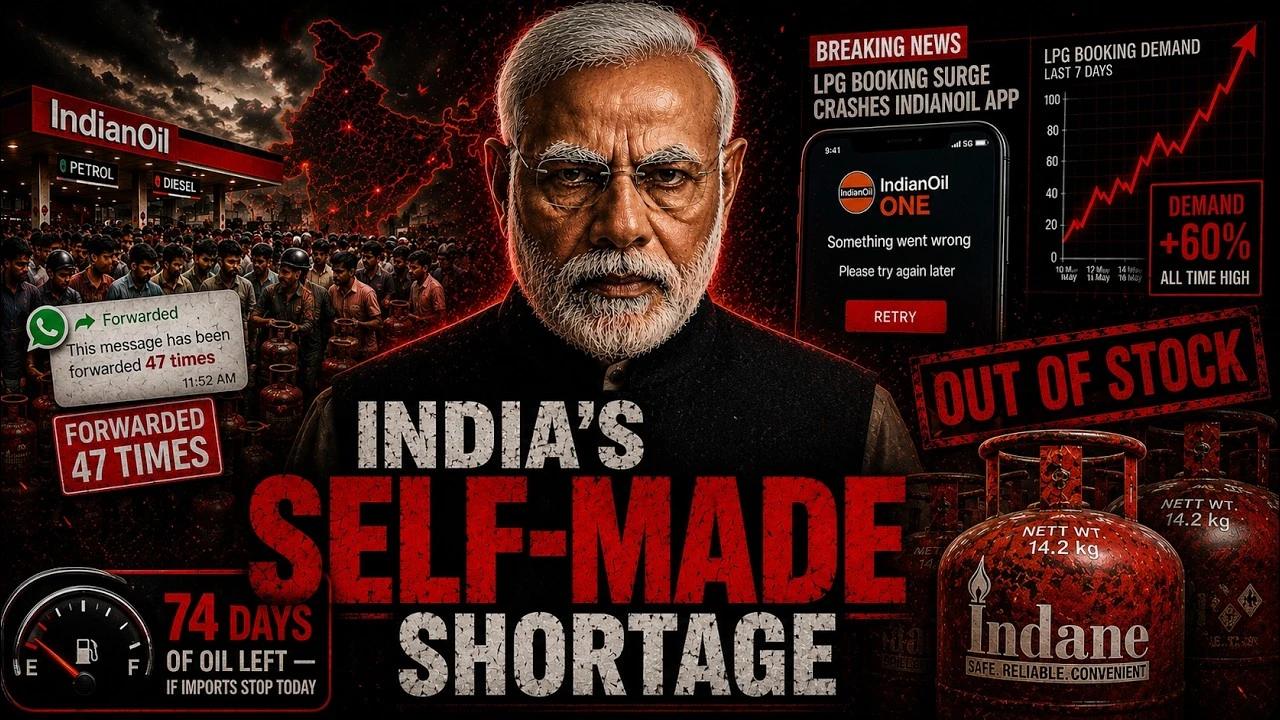
As the Strait of Hormuz blockade chokes off 90 percent of India's gas imports, the Centre has invoked emergency laws to protect domestic kitchens—quietly sacrificing the MSME hospitality sector and the nation's agricultural supply chain.
 Brajesh Mishra
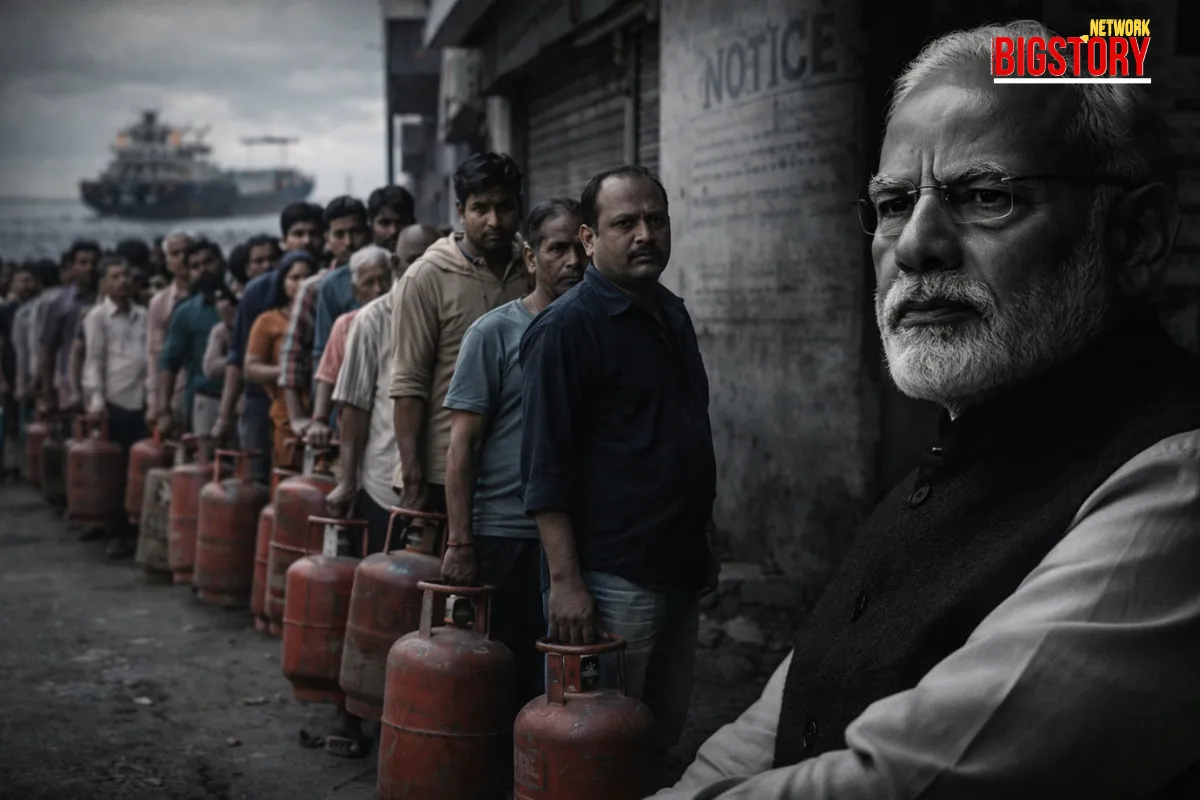
Millions of citizens and business owners are waking up to shuttered restaurants and long agency queues, asking exactly why is there an LPG crisis in India in early 2026. The answer lies thousands of miles away in the Persian Gulf. As the escalating US-Israel-Iran war physically chokes off the Strait of Hormuz—the maritime artery responsible for up to 90 percent of India's LPG imports—the Union Government has been forced to invoke the Essential Commodities Act to fiercely ration whatever cooking gas remains onshore.
This immediate supply chain collapse has brought India's urban hospitality sector to its knees. With oil marketing companies freezing commercial gas allocations to prioritize household domestic cylinders, the National Restaurant Association of India (NRAI) warns that over half of the country's eateries could shut down within days, threatening the livelihoods of millions and exposing the fatal fragility of India's energy grid.
Sagar Daryani, President, National Restaurant Association of India (NRAI)
Representing over five lakh restaurants nationwide, Daryani issued a dire warning regarding the survival of India's hospitality MSMEs. He stated that 50 to 60 percent of restaurants will be forced to shut their doors if commercial LPG supplies are not resumed by mid-week.
Ministry of Petroleum and Natural Gas, Government of India
Operating in crisis mode, the Ministry utilized its absolute emergency powers under the Essential Commodities Act to strictly regulate gas distribution. Their strategy sacrifices commercial and industrial allocations entirely to ensure retail voter panic does not erupt over empty household cylinders.
GAIL (Gas Authority of India Limited)
The state-run gas distributor is currently tasked with the logistical nightmare of managing the diversion and redistribution of natural gas from non-priority sectors following the devastating collapse of its long-term LNG supply contracts from Qatar.
Mainstream outlets are heavily focused on the consumer-facing chaos: the long queues at local gas agencies, the technical crashes in online IVRS booking systems, and popular local restaurants cutting their menus down to just tea and coffee. While visually compelling, this perspective completely misses the deeper structural threat written into the fine print of the government's Natural Gas (Supply Regulation) Order, 2026.
By invoking the Essential Commodities Act, the Centre did more than just ban blue commercial cylinders. It legally mandated that essential fertilizer plants will now only receive 70 percent of their historical gas consumption. In order to protect urban kitchens from running dry, the government is quietly starving the agricultural sector of the fundamental inputs required for domestic urea production. India already imports roughly 60 percent of its DAP; forcibly throttling local urea production just weeks before the critical kharif (monsoon) sowing season sets the stage for a catastrophic, unmanageable food inflation crisis by the third quarter of 2026.
If the government must choose between feeding the nation's urban tech workers today or producing the fertilizer required to grow the nation's food tomorrow, what does "energy security" actually mean?
News & Wire Coverage:
Official Statements & Data:
 Exclusive Content






Sign up for the Daily newsletter to get your biggest stories, handpicked for you each day.


 Trending Now! in last 24hrs